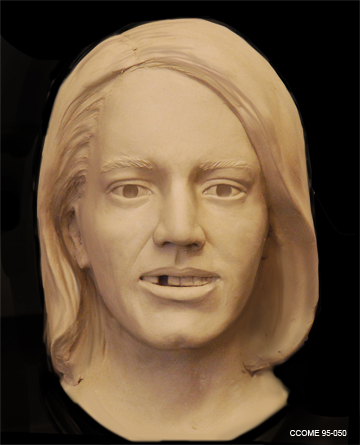
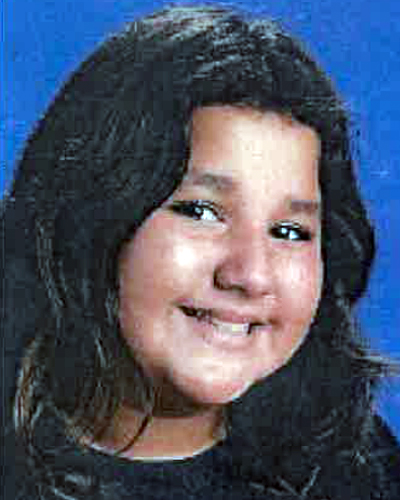
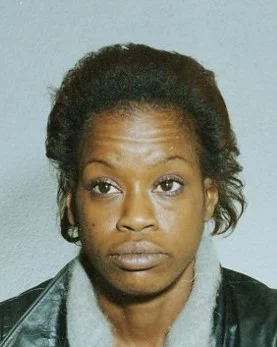
In the early 1990s, Camille Dorothy Dotson, a woman described as intelligent and talented, moved to Las Vegas, Nevada, with her young daughter to escape an abusive marriage. Originally from a middle-class Chicago family, she was a former straight-A student, classically trained dancer, and semi-pro ice skater. Her life had taken a significant turn after her marriage to Gary Dotson, a man who gained media attention after being wrongfully convicted of rape. The marriage, however, was fraught with domestic violence, and after its dissolution, Camille sought a new beginning in Las Vegas, where her mother lived. Unfortunately, this new chapter was soon marred by trauma, financial struggles, and difficult circumstances, leading her down a path of addiction and homelessness. In Las Vegas, she entered another turbulent relationship, marrying a man named George 'Cruz' Diaz Jr., which also allegedly involved physical abuse.
It was during this period that she became more deeply involved in drug use and survival sex work to support herself.
The circumstances surrounding Camille's disappearance are rooted in a series of troubled events. Her last known address was an apartment on Paradise Road where she lived with a man named Francisco “Kiko” Fernandez. On September 2, 1994, both she and Fernandez were arrested following a loud argument at their apartment. Although the drugs found at the scene reportedly belonged to Fernandez, Camille was arrested for a probation violation. The following day, September 3, 1994, at approximately 4:20 p.m., she was released from the Clark County Detention Center. She was last seen walking alone in the 300 block of South Casino Boulevard. She had a court hearing scheduled for September 26, 1994, which she failed to attend, an act considered out of character as she had no history of missing court dates. It wasn't until months later that her family, who had been temporarily in Chicago, realized she was missing and a formal report was filed.
Over the years, the investigation into Camille's disappearance has been fraught with difficulties and alleged inaction. The initial missing person's report filed in 1995 was reportedly deleted from police records for unknown reasons, and a new one was not filed until 2003. In the time leading up to her disappearance, friends reported that Camille seemed paranoid and fearful, confiding that she felt she was being followed, though she never specified by whom. Her last phone call to her young daughter, Ashley, was unsettling; she told her to 'be a good girl' in a tone that Ashley later recalled sounded like a final goodbye. Decades later, her daughter and a team of friends continue to actively search for answers, retracing her final years in Las Vegas in the hope of uncovering the truth and obtaining justice for Camille. The case remains an active missing person investigation with the Las Vegas Metropolitan Police Department, a poignant story of a once-promising life that veered into hardship and vanished without a trace.Last Seen: Sep 3, 1994