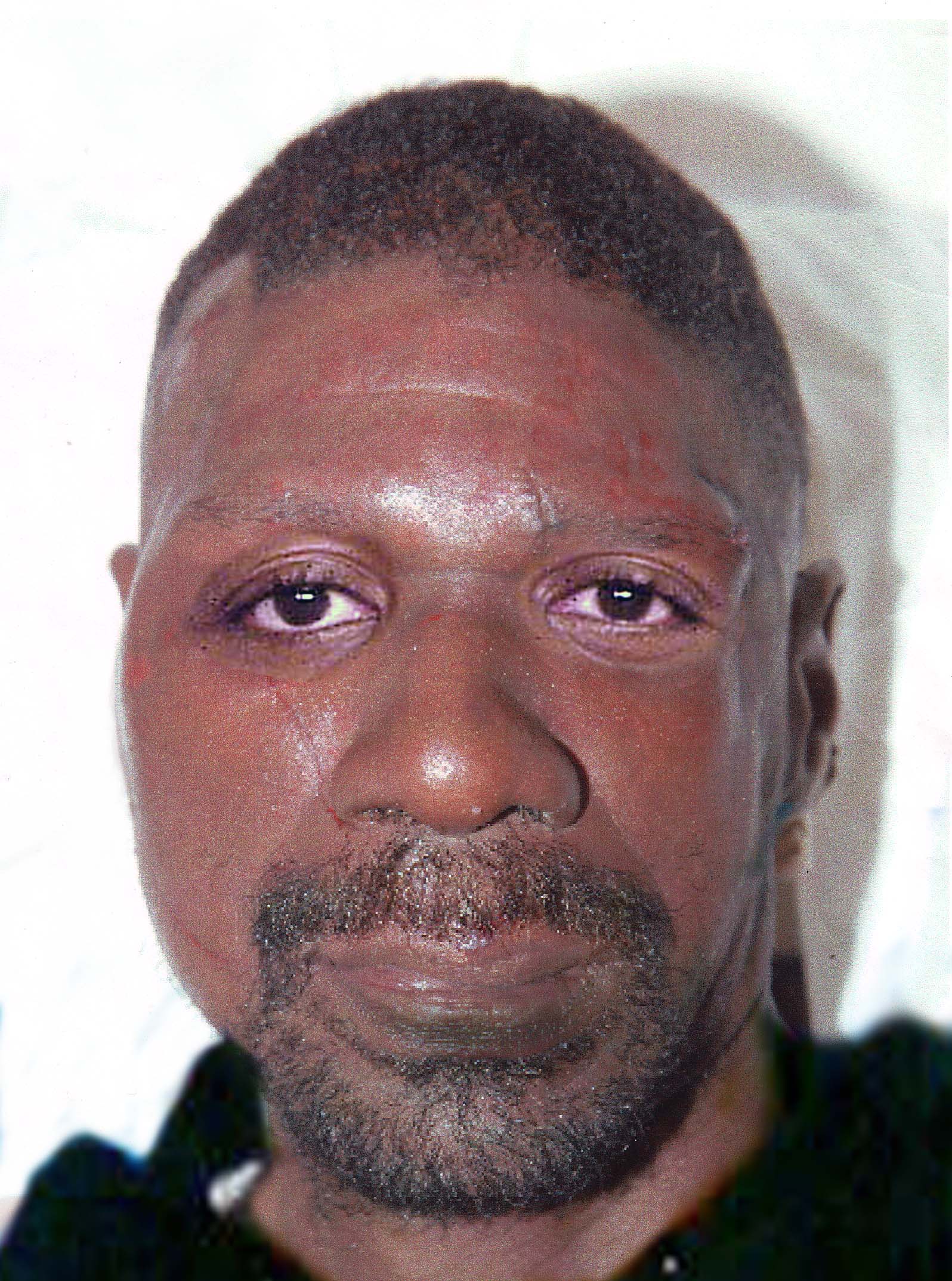
In the fall of 2003, Raed Nayef Alfarah, a 27-year-old man from Jordan, was pursuing his second master's degree at Wayne State University in Michigan. Known by his nickname Ray, he was described as a white male with black hair and brown eyes, standing at 5'10' and weighing around 180 pounds. He occasionally wore eyeglasses with silver metal frames and had a distinctive tattoo on his right shoulder.
On the evening of October 16, 2003, Raed was last seen at the Sky Club, a bar in the Detroit suburb of Royal Oak. The last known activity from him was a voicemail check at 10:30 p.m. that same night. After that, all communication from him ceased. Concern grew when his uncle, Osama Al-Farah, was unable to reach him the following day, which was highly uncharacteristic of Raed. Four days after he was last seen, his family officially reported him as a missing person.
The investigation into Raed's disappearance quickly uncovered unsettling evidence. A week after he went missing, his purple 1996 Chevrolet Camaro was discovered abandoned and stripped of its parts near the 3400 block of Lovett Street in Detroit. This discovery, coupled with the abrupt halt in his phone and bank activity, pointed towards a grim scenario. The focus of the investigation soon turned to two of his business associates, Samer Fawaz and Bashar Farraj. Investigators came to believe that Raed was killed in the Sterling Heights office of their mortgage firm. Evidence found at the scene was substantial, including a significant amount of Raed's blood on the carpet and walls, as well as in Farraj's vehicle. A secretary at the firm later testified to seeing the two men cleaning what they claimed was spilled cranberry juice. It was also reported that at the time of his disappearance, all three men were under investigation for potential mortgage fraud.
In November 2003, both Samer Fawaz and Bashar Farraj were charged with first-degree murder and conspiracy to commit murder in connection with Raed's case. During the trial, prosecutors argued that the duo had killed Raed, likely by a blow to the head, at their mortgage office. The defense, however, contended that Raed might have fled the country to avoid prosecution for mortgage fraud, a theory that was considered by an FBI agent early in the investigation. Despite the compelling forensic evidence, the absence of a body presented a significant challenge. In June 2005, a jury acquitted Fawaz and Farraj of the first-degree murder and conspiracy charges but found them guilty of the lesser charge of second-degree murder. Fawaz was subsequently sentenced to 20 to 50 years in prison, while Farraj received a sentence of 25 to 50 years. To this day, Raed Alfarah's body has never been recovered, leaving his family with unanswered questions and a profound sense of loss. The case remains a somber reminder of a promising life cut short, with the full story of his final moments likely to remain unknown.
Raed Nayef Alfarah was 27 years old when he disappeared on October 16, 2003, from the Madison Heights, Michigan area, with the investigation soon stretching across Oakland, Wayne, and Macomb counties. He was a male graduate student at Wayne State University, a native of Jordan, and was also known by the nickname Ray. Public missing-person records and case summaries describe the final known period of his life as unfolding that evening in metro Detroit, with some accounts placing him in the evening on the southwest side of Detroit and others stating he was last seen at the Sky Club in Royal Oak. What is consistent across the public record is that after that night, Raed stopped making contact, stopped using his phone in any normal way, and never returned to the people who expected to hear from him.
Raed’s life in Michigan appeared to be built around school, work, and ambition. He had come to the United States from Jordan and was connected to Wayne State University, where public records identify him as a student and graduate research assistant in engineering. He was described as about 5 feet 10 inches tall and around 180 pounds, with black hair and brown eyes. He occasionally wore eyeglasses with silver metal frames, and he had a tattoo on his right shoulder. On the night he disappeared, he was reported to have been wearing gray pants, a dark brown leather jacket, and black shoes. Those details became part of the permanent public record because no one could know at the time that they might become the last known description of him.
Concern grew quickly when Raed could not be reached. Public case summaries state that his family tried to contact him after he disappeared and that it was unlike him not to respond. His uncle reportedly became worried after repeated calls went unanswered, and his disappearance was reported to police several days after he was last seen. The silence was alarming not just because he was missing, but because it seemed so complete. There was no ordinary follow-up call, no reassuring explanation, and no known activity that suggested he had simply stepped away from his life.
About a week after Raed vanished, investigators found a major piece of evidence: his purple 1996 Chevrolet Camaro. The vehicle was located near the 3400 block of Lovett Street in Detroit, and public reports state that it had been stripped of parts and had to be towed. The discovery of the car deepened the concern surrounding the case. A missing person’s vehicle can sometimes help show where they went, who they met, or whether they left voluntarily, but in Raed’s case the Camaro raised more questions than it answered. It placed part of the story in Detroit, but it did not bring Raed home.
The investigation eventually turned toward two men, Samer Fawaz and Bashar Farraj. In November 2003, they were charged in connection with Raed’s disappearance, with allegations connected to first-degree murder and conspiracy to commit murder. Public reporting and later court records described the case as tied to dealings involving the men and a mortgage office in Sterling Heights. Prosecutors believed Raed was killed in Sterling Heights on or around the time he disappeared, likely inside the offices of Michigan Mortgage, and that his body was moved afterward. Witness accounts referenced in public reports described blood being cleaned up at the mortgage office, and investigators came to believe the case was not simply a disappearance but a homicide without a recovered body.
In June 2005, Bashar Farraj and Samer Fawaz were convicted of second-degree murder in connection with Raed Alfarah’s disappearance. Court records later described the case as one in which Raed had gone missing in October 2003 and his body had never been recovered. Even with those convictions, the absence of Raed’s remains has left a painful and unresolved part of the case open for his family. A conviction can answer who was held legally responsible, but it does not answer every question loved ones carry, especially when there has been no recovery and no final resting place.
Raed’s case remains especially tragic because it combines the uncertainty of a missing-person case with the legal findings of a murder prosecution. Public records identify the Madison Heights Police Department as the primary investigating agency, with the Sterling Heights Police Department also connected to the case. The available information does not indicate that Raed’s remains have ever been found. In overview, Raed Nayef Alfarah was a 27-year-old man building a life in Michigan when he disappeared on October 16, 2003; his car was later found stripped in Detroit, investigators concluded he had been killed in Sterling Heights, two men were convicted of second-degree murder, and yet the final sorrow of the case remains that Raed himself has never been recovered.Last Seen: Oct 16, 2003