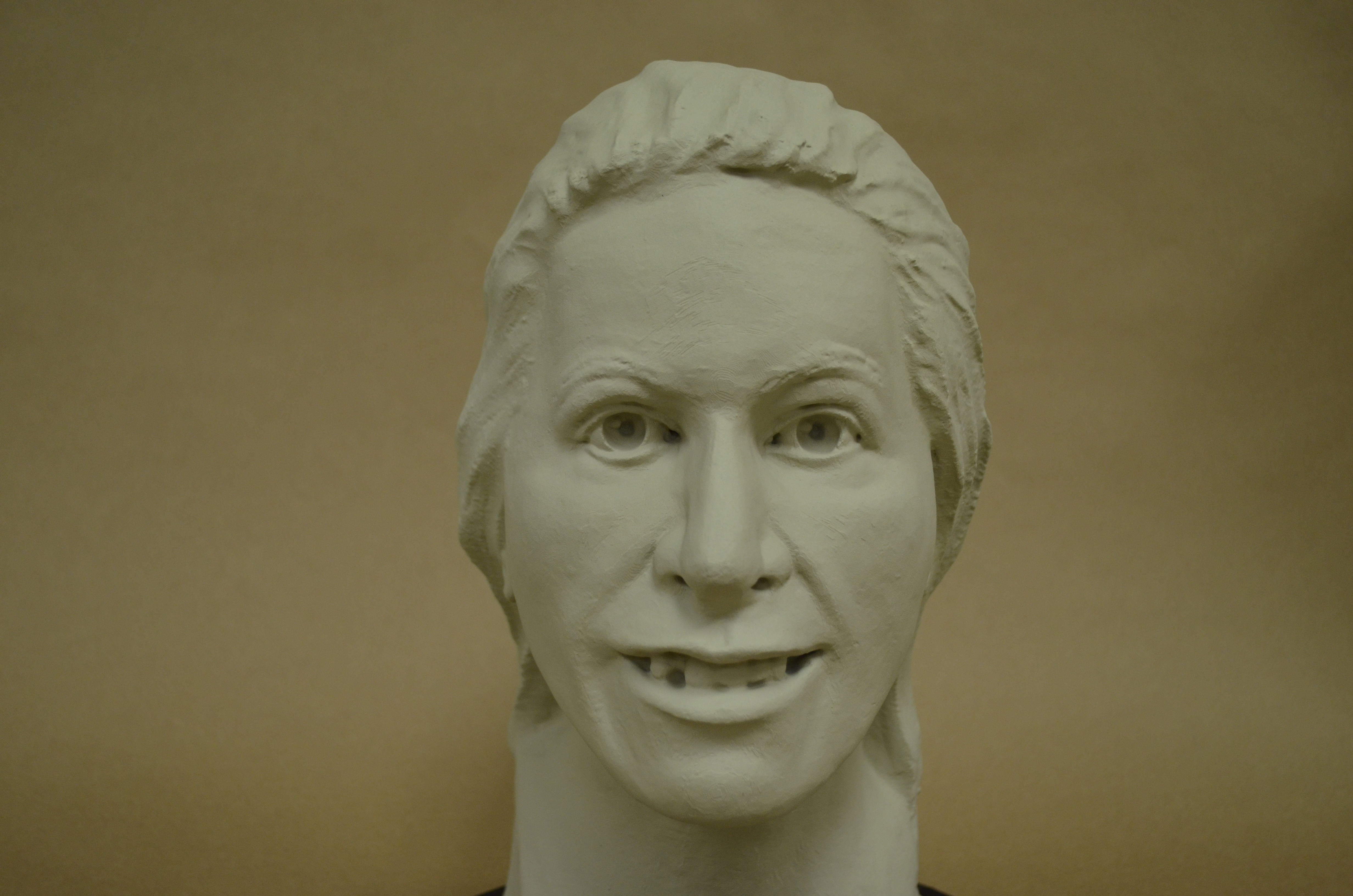
In the late summer of 1982, 27-year-old Julianne Miller, a graduate student at the University of Hartford, vanished from her cottage in Old Saybrook, Connecticut. She was last seen by a tenant on the evening of September 21, 1982, in the living room of her home with her live-in boyfriend, James Clayton. The tenant reported a palpable tension between the couple, suggesting they had been arguing. Following this evening, Julianne was never seen or heard from again.
Her parents, who had been on vacation, reported her missing on September 29, 1982, after being unable to contact her. Clayton, however, never filed a missing person's report. All of Julianne's personal belongings, including her car, purse, glasses, and her beloved Golden Retriever, Bo-Jo, were left behind at her residence.
The investigation into Julianne's disappearance quickly focused on her boyfriend, James Clayton. Their relationship had reportedly soured, and just days before she went missing, on September 20, 1982, Julianne had obtained a quit claim deed in an attempt to remove Clayton's name from the property her father had bought for her. When questioned by police, Clayton claimed that he last saw Julianne on the morning of September 22, getting into a brown pickup truck driven by a Black man. This statement was considered suspicious by investigators, as Clayton himself was Black and owned a similar vehicle. Further suspicion arose when a witness reported that the furniture in the cottage had been rearranged after Julianne's disappearance and that some couch cushions were missing, which Clayton claimed had been sent for dry cleaning. Several months after she vanished, some of Julianne's jewelry, including her grandmother's ring, was discovered at a pawn shop in New Haven, having reportedly been sold by Clayton's brother.
Despite being the primary suspect in Julianne's disappearance, James Clayton was never charged in connection with the case. Authorities and Julianne's family have long believed that he was responsible for her death and that her body may have been buried on a 70-acre property connected to the Deep River and the Cockaponset State Forest. The case grew cold over the years, though it was revisited in 2000 by the Chief State's Attorney's Office Cold Case Squad in the hopes that new forensic technology could provide a breakthrough. In 2002, Clayton was convicted in a military court for the attempted murder of a military officer in an unrelated incident and was sentenced to five years in prison. To this day, Julianne Miller's case remains unsolved; she is presumed deceased, but her body has never been recovered. The circumstances surrounding her disappearance point to a domestic dispute that likely ended in tragedy, leaving her loved ones without answers and her case a lingering mystery in Connecticut's history. The state of Connecticut has offered a $50,000 reward for information leading to an arrest and conviction in her case.Last Seen: Sep 22, 1982