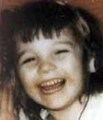
In the early morning hours of a day in May 1985, the quiet of a Jackson, Michigan neighborhood was briefly interrupted by the sound of a slamming car door. Inside her home on Maple Avenue, Susan Shanes was awakened by the noise but drifted back to sleep, unaware of the lasting silence that would soon envelop her life. When she awoke again at 6:00 a.m., she discovered her six-year-old daughter, Natasha Marie Shanes, was not in the house where she had fallen asleep on the living room sofa. The front door was wide open, but there was no sign of Natasha. It is believed the young girl, who had blondish-brown hair and brown eyes, disappeared sometime between 1:30 a.m. and 6:00 a.m. At the time of her disappearance, Natasha was described as being four feet tall and weighing approximately 57 pounds. She had several distinguishing marks, including a scar on her right cheek from a dog bite, a small scar on her forehead, and a strawberry birthmark on the back of her neck. She was last seen wearing blue jeans and a large blue and white shirt that was fastened with a safety pin.
Natasha was a child with unique needs and a vibrant personality. She attended a special education school and had the mental age of a four-year-old. She required daily medication to control her epilepsy, a condition that could lead to seizures and potentially a coma if left untreated. In addition to epilepsy, Natasha also had scoliosis and flat feet. Despite these challenges, she found joy in the simple things; she loved to sing and play with makeup, purses, and shoes. The investigation into her disappearance began immediately, with police searching the surrounding area, but no trace of the little girl was found. There were no signs of a forced entry into the home, leading to theories that Natasha may have wandered off or been abducted. The case was classified as a non-family abduction.
A troubling development occurred just two days after Natasha went missing when her mother's live-in boyfriend, Robert F. Forbes, was found deceased from a gunshot wound. His death was officially ruled a suicide, but Susan Shanes has long believed he was murdered. Forbes had a criminal record, having previously served time for trafficking heroin. While police have not found a definitive link between his death and Natasha's disappearance, the timing remains a point of suspicion. Over the years, the case grew cold, marked by periodic releases of age-progressed photos of what Natasha might look like. Decades later, in 2023, investigators revisited the home on Maple Avenue, executing a search warrant in the hopes of uncovering new leads in the nearly 40-year-old case. Despite extensive searches and ongoing efforts by law enforcement, no substantial leads have emerged, and what happened to Natasha Shanes remains a painful mystery for her family and the community.
Natasha Marie Shanes, known affectionately as "Tasha," was a 6-year-old female who disappeared from her family's home in Jackson, Michigan, during the early morning hours of May 5, 1985. Some later national missing-child listings record May 8 as the date she was last seen, but the NamUs record and contemporary case summaries place her disappearance on May 5. Natasha had reportedly fallen asleep on a sofa in the living room of the family's home in the 900 block of Maple Avenue. Sometime during the night, her mother, Susan Shanes, briefly awakened after hearing the sound of a car door slamming outside. She went back to sleep, unaware that the sound might become one of the only clues in her daughter's disappearance. When she arose at approximately 6:00 that morning and went to check on Natasha, the child was gone and a front door to the residence was standing wide open.
Investigators believed Natasha disappeared sometime between approximately 1:30 and 6:00 a.m. There were no publicly reported signs of forced entry, and authorities were left to consider whether she had somehow wandered outside or had been taken by someone who entered the home. Her mother became convinced that another person had abducted her, and police ultimately classified the disappearance as a non-family abduction. An extensive search of the neighborhood and surrounding areas failed to locate Natasha, her clothing, or any object that could establish the direction in which she had gone. No confirmed witness was publicly identified as having seen her leave the house, walking in the neighborhood, or being placed in a vehicle. The open door and the sound of a car outside remained deeply troubling pieces of a case that otherwise offered investigators almost no physical trail to follow.
Natasha was described as a white child who stood approximately four feet tall and weighed about 57 pounds. She had brown eyes and light brown or strawberry-blond hair, which had been permed around the time she vanished. She had pierced ears, a small scar on her forehead from falling into gravel, a scar on her right cheek caused by a dog bite, and a strawberry-colored birthmark on the back of her neck near her hairline. She also had flat feet and wore specially designed shoes. Natasha was believed to have been wearing blue jeans or possibly a denim skirt and a large blue-and-white shirt secured with a safety pin. These details became especially important as the years passed and investigators attempted to compare her description with unidentified children and adults.
Natasha was particularly vulnerable because she lived with serious medical and developmental challenges. Public case summaries report that she had epilepsy, scoliosis, and a mild intellectual disability, with abilities closer to those of a younger child. She required the medication Depakote to control her seizures, and the absence of that medication could have caused a medical crisis, including a coma or death. She was reportedly allergic to certain other epilepsy medications, making appropriate treatment especially important. Natasha attended a special-education school for children with disabilities. Those who remembered her described a little girl who experienced mood swings and cried frequently but who also enjoyed singing, makeup, purses, and shoes. Whether she wandered from the house or was taken, she would have been unable to protect herself adequately or manage her medical needs without adult assistance.
The mystery surrounding Natasha deepened two days after her disappearance when her mother's live-in boyfriend, Robert F. Forbes, was found shot to death near his own mother's residence. His death was officially ruled a suicide, although Susan Shanes publicly expressed her belief that he had been murdered. Forbes reportedly had a criminal history involving heroin trafficking and had served time in prison. The timing of his death naturally brought scrutiny and questions, but investigators have never publicly established that his death, his criminal activities, or anyone associated with him was connected to Natasha's disappearance. No evidence released to the public has shown that Forbes harmed Natasha, arranged for her removal, or possessed information that could conclusively explain what happened inside the Maple Avenue home that night.
Police conducted searches around the family's neighborhood and pursued information in Michigan and other states, yet none produced a confirmed sighting or physical evidence. As years became decades, forensic artists created several age-progressed images depicting how Natasha might have appeared as a young woman and later as an adult. The National Center for Missing and Exploited Children has continued to distribute her information under case number 601899, while the National Missing and Unidentified Persons System maintains her file as MP2570. Her mother and a maternal half-sister provided DNA reference samples so that investigators could compare Natasha's family profile with unidentified remains entered into national databases. Her mother's mitochondrial and nuclear DNA profiles were completed and uploaded for national searching, preserving another path by which Natasha might someday be identified.
The investigation received renewed public attention in May 2023, on the thirty-eighth anniversary of Natasha's disappearance. After police received information suggesting that her remains might be buried at or concealed inside a Jackson residence, officers obtained a search warrant and examined the property. The search took place at the same Maple Avenue location associated with the original disappearance, but authorities reported that nothing was found that advanced the investigation. Jackson police nevertheless confirmed that detectives were actively working on the case and would continue examining credible information. The search demonstrated that even after nearly four decades, a new tip could still prompt investigators to revisit the place where Natasha was last known to be safe.
No suspect or person of interest has been publicly named, and no arrest has been made in connection with Natasha's disappearance. Investigators have not established whether the person who may have taken her was a stranger, someone familiar with the household, or an individual connected in some way to the events surrounding the family at the time. There has been no confirmed communication from Natasha, no reliable later sighting, and no discovery explaining how she could have left the residence unnoticed. Although some investigators and case summaries have expressed the belief that she is likely deceased, her case has not received an official public resolution, and the Jackson Police Department continues to seek information about what happened to her.
Natasha's disappearance left her mother and community with a memory frozen in the quiet hours before dawn: a small child asleep on a sofa, the sudden noise of a car door outside, and a front door discovered open after sunrise. The passage of time has not diminished the vulnerability of the child at the center of the case or the importance of finding the truth. Someone may remember an unfamiliar vehicle near Maple Avenue, a person behaving strangely after Natasha vanished, or a conversation that seemed meaningless in 1985 but carries greater significance now. In overview, Natasha Marie Shanes disappeared from her Jackson home during the early morning of May 5, 1985, after her mother heard a car door slam outside; investigators found no sign of forced entry or trace of the medically vulnerable child, later searches and decades of tips produced no decisive evidence, and no suspect has been publicly identified, leaving her fate and the circumstances of her disappearance unknown.
Last Seen: May 05, 1985