Crime Solvers Central
298 Cases Solved. Advancing justice for missing persons, unsolved homicides, unidentified and unclaimed remains.

Case Description

Any updates on this case? Let us know!
Summary based on the NamUs case record (MP4205) and 3 other sources
In the late summer of 1991, a young man named James Cary Smith vanished from his home in Harvey, Louisiana, leaving behind a mystery that has endured for decades. On the morning of September 6, 1991, the 22-year-old was last seen at his residence on Friendship Drive. He was dressed in a simple white t-shirt and blue jeans, ready for a day in the city. James, who was 5'8' tall and weighed around 160 pounds with brown hair and hazel eyes, had plans that day which should have been routine and unremarkable. His intention was to walk to a bus stop just two blocks from his home and take a bus to New Orleans.

The hours turned into days, and the days into an agonizing stretch of years, yet James Cary Smith never reached his destination. He was never seen or heard from again after leaving his house that Friday morning. The journey to the University of New Orleans, a trip that should have been just another part of a young man's life, became the starting point of an enduring mystery. The simplicity of his last known actions—leaving home for a bus trip—offers few clues to the bewildering circumstances of his disappearance. The case is marked by a profound lack of information, leaving his loved ones with unanswered questions.

The investigation into James's disappearance, handled by the Jefferson Parish Sheriff's Office, has remained open over the years. Despite the passage of time, the official classification of his case is simply 'Missing.' Details surrounding what might have happened to him are scarce, and the narrative of his last known day ends abruptly after he walked out his front door. The case is a somber reminder of how a person can vanish without a trace, leaving a void in the lives of those they left behind. The overview of the case is one of a young man at the cusp of his life, whose ordinary day took an inexplicable turn, resulting in a cold case that continues to await a resolution.

Last Seen: Sep 6, 1991

Possible Unidentified Matches (6)

Unidentified remains cases whose details are consistent with this person, ranked by how closely they compare. Fields that are unknown in either case are left out of the score.

81%Moderate
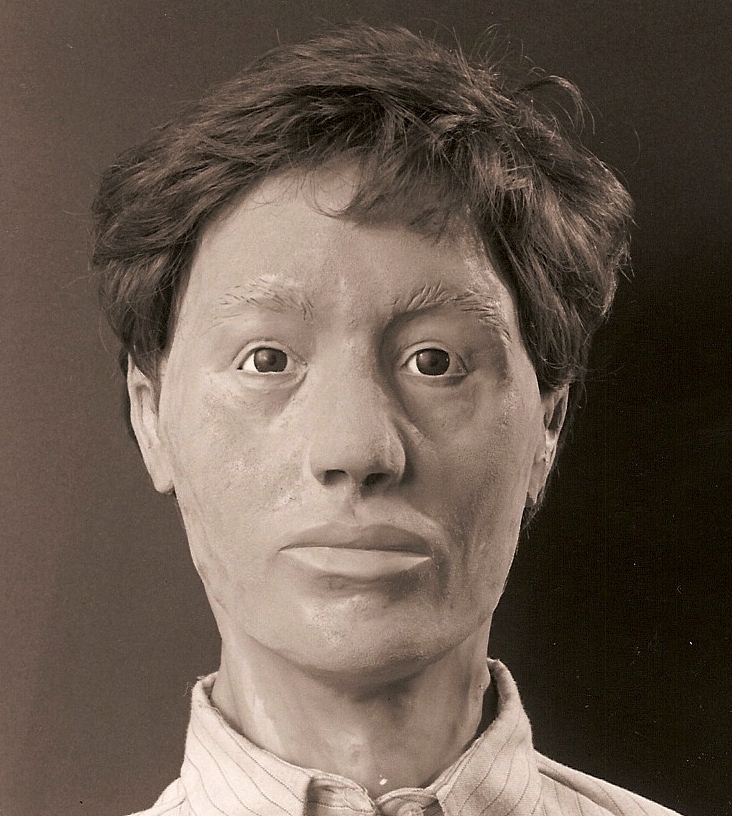
John Doe — Belle Chasse, Louisiana - unidentified case UP1867
John Doe — Belle Chasse, Louisiana
UP1867 • Found Jun 18, 1993
View case
Sex ✓Male
Age 100%Est. 22–29 vs 22 when missing
Race 100%White
Location 100%6 mi away, same state
TimingFound 21 months after last seen
Height 84%5'6" vs 5'8"
79%Possible
John Doe — Slidell, Louisiana
UP15084 • Found Dec 10, 1998
View case
Sex ✓Male
Age 100%Est. 25–35 vs 22 when missing
Race 100%White
Location 95%28 mi away, same state
TimingFound 7 years after last seen
Height 100%5'8" vs 5'8"
78%Possible
John Doe — Terrytown, Louisiana
UP8713 • Found Dec 10, 2010
View case
Sex ✓Male
Age 100%Est. 25–35 vs 22 when missing
Race 100%White
Location 100%3 mi away, same county
TimingFound 19 years after last seen
Height 100%5'9" vs 5'8"
78%Possible
John Doe — Mississippi
UP3802 • Found May 23, 2006
View case
Sex ✓Male
Age 100%Est. 30–40 vs 22 when missing
Race 100%White
Location 90%48 mi away
TimingFound 15 years after last seen
Height 84%5'10" vs 5'8"
Weight 100%145 lb vs 160 lb
Hair 100%Brown vs Brown
Eyes 30%Blue vs Hazel
77%Possible
John Doe — Amelia, Louisiana
UP2246 • Found Sep 21, 2000
View case
Sex ✓Male
Age 100%Est. 28–40 vs 22 when missing
Race 100%White
Location 85%64 mi away, same state
TimingFound 9 years after last seen
Height 100%5'9" vs 5'8"
77%Possible
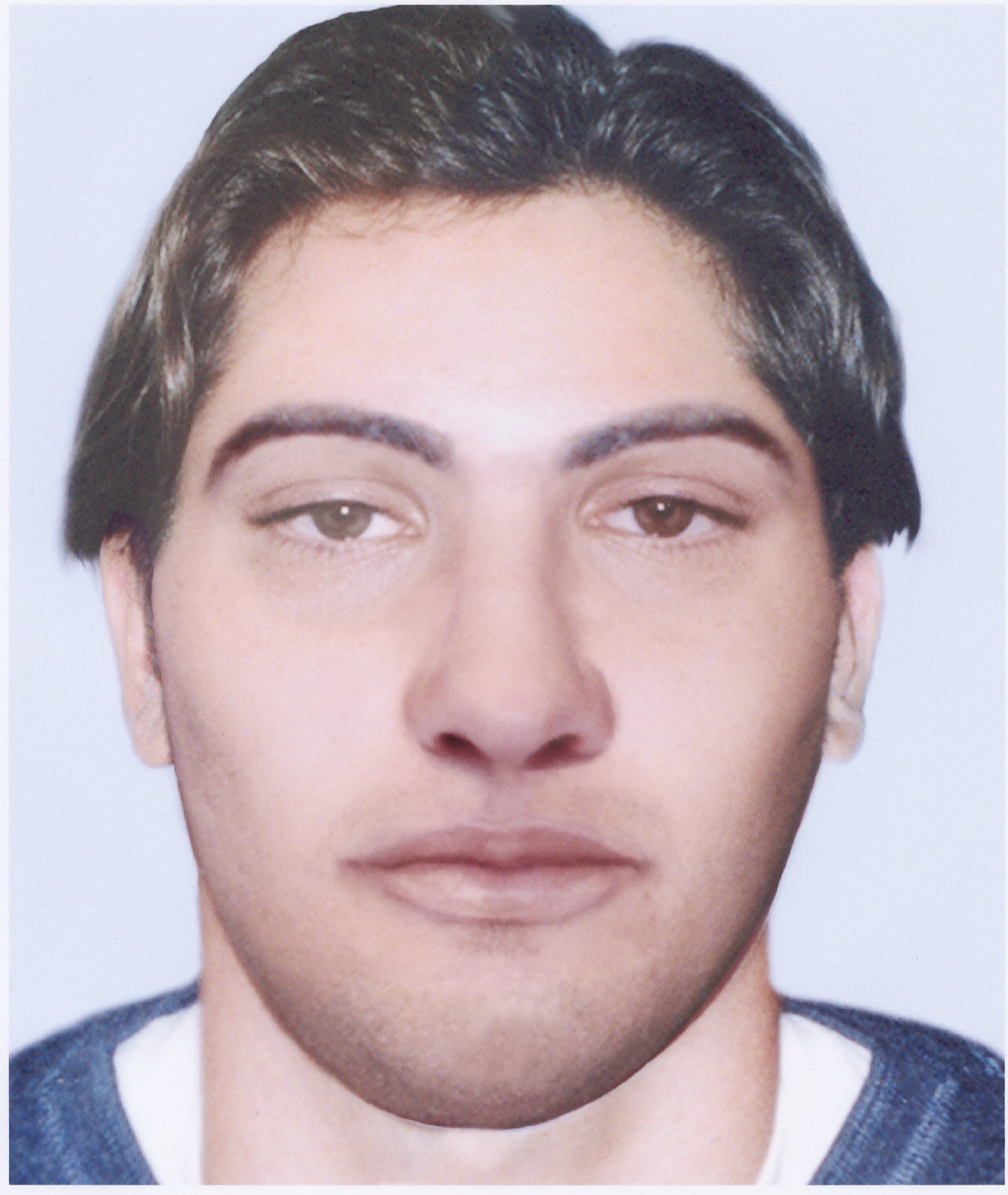
John Doe — Louisiana - unidentified case UP8694
John Doe — Louisiana
UP8694 • Found May 31, 1994
View case
Sex ✓Male
Age 100%Est. 23–33 vs 22 when missing
Race 100%White
Location 98%18 mi away, same county
TimingFound 3 years after last seen

These comparisons are generated automatically from public NamUs case data and are not confirmed identifications. Only DNA, dental or fingerprint comparison by investigators can confirm an identity. If you believe two cases are connected, contact the agency handling the unidentified case.

Unidentified photos are blurred because many are post-mortem. Tap a photo to reveal it.