Crime Solvers Central
302 Cases Solved. Advancing justice for missing persons, unsolved homicides, unidentified and unclaimed remains.

Case Description

Any updates on this case? Let us know!
Summary based on the NamUs case record (MP4443) and 9 other sources
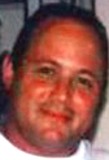
Dean E. Dawson, a 40-year-old man, went missing on April 25, 1996, from Sterling, New York. He was last seen at a friend’s house on Route 10 at around 11:30 p.m. that night. The following morning, his friend found that Dean had disappeared, with no sign that he had slept in his bed, and all of his belongings were left behind. Dawson had been battling alcoholism at the time of his disappearance, and authorities believe he may have initially left the house to find alcohol.

There were a couple of unconfirmed sightings of him the next day, one at the Nichols Road Bridge near Martville, New York, and another on a bridge in Oswego, New York. Despite these leads, no trace of him has ever been found. At the time, Dawson was living a semi-transient lifestyle, having separated from his wife and two children about a year prior. He worked various odd jobs and was well-known in the Martville area.

Though investigators suspect he is likely deceased, it's unclear whether foul play was involved. Dawson’s case remains open, and his family continues to seek answers.

Last Seen: Apr 25, 1996

Possible Unidentified Matches (1)

Unidentified remains cases whose details are consistent with this person, ranked by how closely they compare. Fields that are unknown in either case are left out of the score.

75%Possible
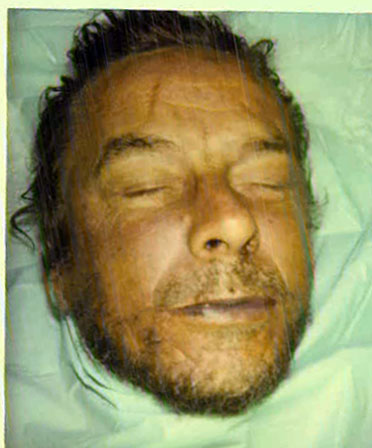
John Doe — New York, New York - unidentified case UP5982
John Doe — New York, New York
UP5982 • Found Oct 15, 2001
View case
Sex ✓Male
Age 100%Est. 45–55 vs 40 when missing
Race 100%White
Location 53%223 mi away, same state
TimingFound 5 years after last seen
Height 84%6'4" vs 6'2"
Weight 100%179 lb vs 170 lb
Hair 100%Brown vs Brown
Eyes 100%Blue vs Blue

These comparisons are generated automatically from public NamUs case data and are not confirmed identifications. Only DNA, dental or fingerprint comparison by investigators can confirm an identity. If you believe two cases are connected, contact the agency handling the unidentified case.

Unidentified photos are blurred because many are post-mortem. Tap a photo to reveal it.