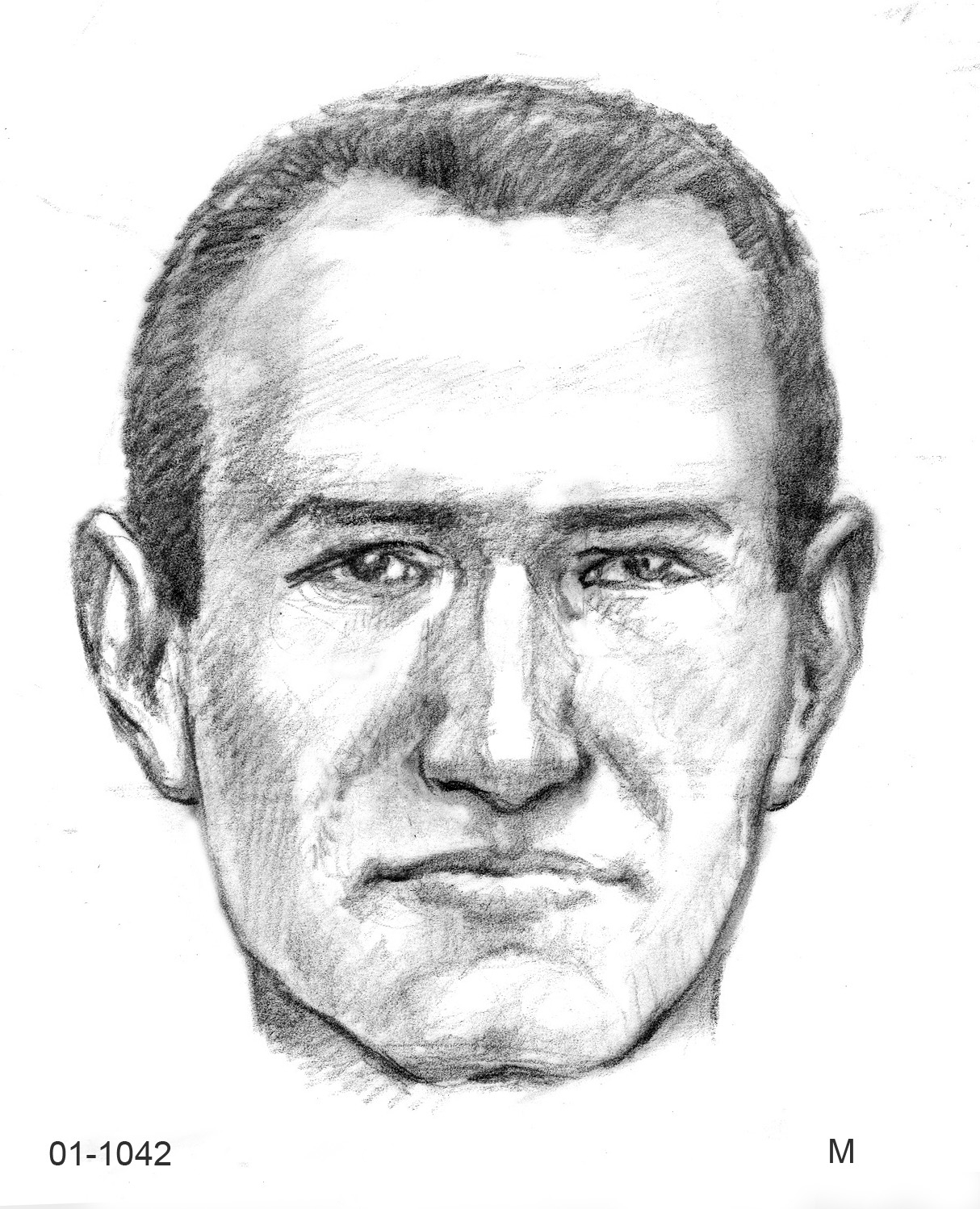
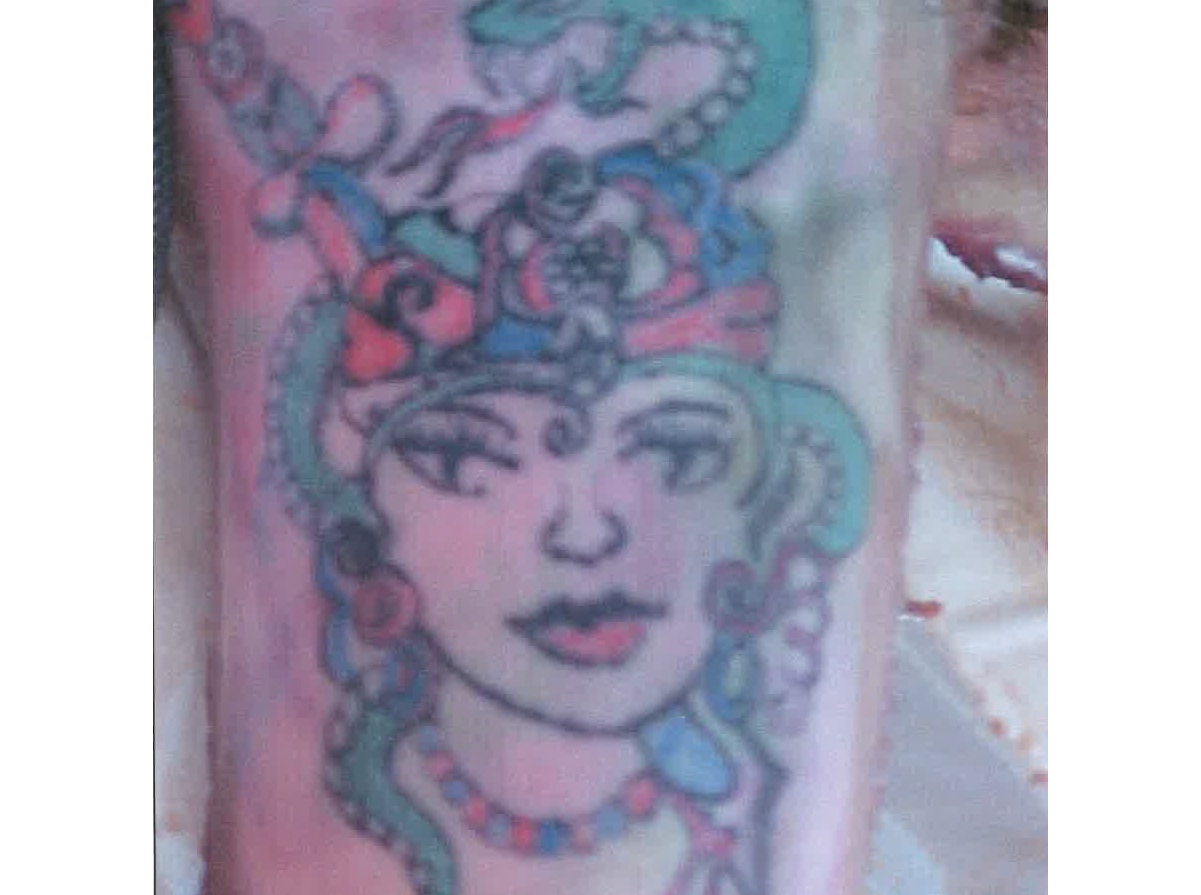
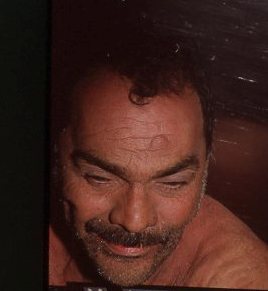
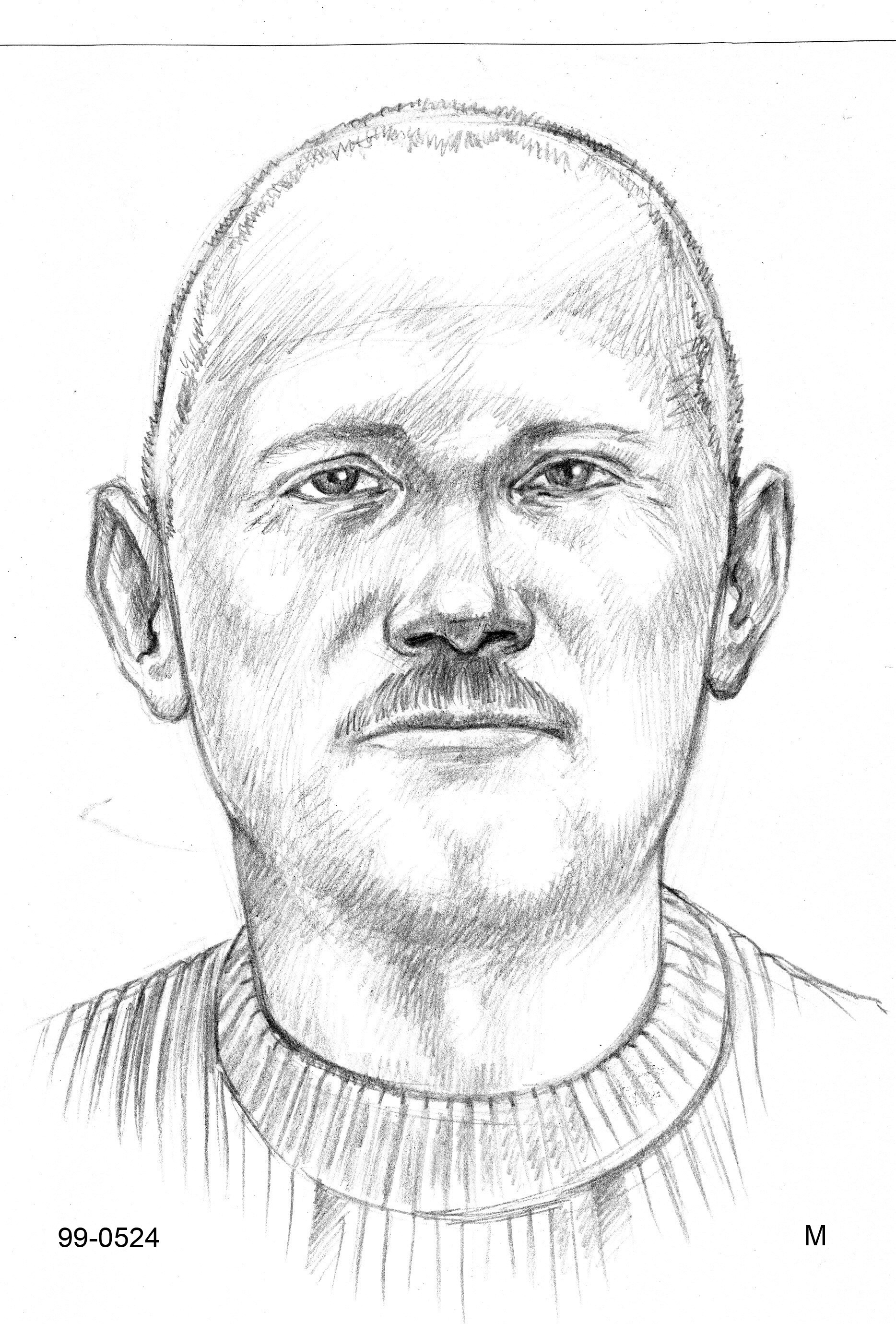
Randy Scott Chadburn was 41 years old when he was last seen in Arivaca, Arizona, on October 23, 1997. A White male with brown hair and brown eyes, Randy stood approximately 5 feet 9 inches tall and weighed about 160 pounds. He had several distinctive tattoos on both arms, including a tattoo depicting a snake, characteristics that investigators and missing-person organizations have continued to highlight in hopes that someone might recognize him or remember an encounter from the period
surrounding his disappearance. Publicly available case records provide very little information about Randy’s activities immediately before he vanished, the people he may have been with, or the circumstances of his final confirmed sighting. What is clear is that after October 23, Randy was no longer seen or heard from, and his disappearance eventually came to be regarded as more troubling than an unexplained loss of contact. NamUs continues to publish his record as Missing Person case MP3222, while other established missing-person resources classify him as endangered missing.
For months after Randy disappeared, there appears to have been no publicly reported development explaining where he had gone. Then investigators were confronted with an important piece of the mystery: Randy's vehicle was discovered in Marana, Arizona, in February 1998. Marana is also in Pima County but is separate from the rural community of Arivaca where Randy had last been seen. Public sources do not provide a detailed account of exactly where in Marana the vehicle was located, who found it, what condition it was in, whether anything significant was discovered inside, or how investigators believe it traveled from the area of Randy's disappearance to the place where it was recovered. That absence of detail leaves the vehicle as one of the case's most important known clues while also creating some of its largest unanswered questions. The Charley Project reports that the car was located months after Randy vanished and states that he has never been heard from again. The Doe Network information reproduced in public case references likewise identifies the discovery of his vehicle in Marana as a central event in the investigation.
The discovery of the car did not lead publicly to Randy himself, and authorities have regarded his disappearance as occurring under suspicious circumstances. Available case summaries do not explain what evidence caused investigators to reach that assessment, and there is no responsible basis for filling those gaps with speculation. There is no publicly documented account in the sources reviewed of Randy telling friends or relatives that he intended to disappear, embarking on an extended trip, or deliberately abandoning his previous life. Likewise, the available records do not identify a publicly named suspect or describe a specific sequence of events explaining what happened to him after his last known contact. The limited nature of the public record makes the case especially difficult: investigators have a confirmed missing man, a known last-seen community, and a vehicle recovered elsewhere months later, but the crucial events connecting those facts remain unknown. The Pima County Sheriff's Department is identified as the investigating agency, and the continued presence of Randy's case in major missing-person databases reflects how enduring those unanswered questions have become.
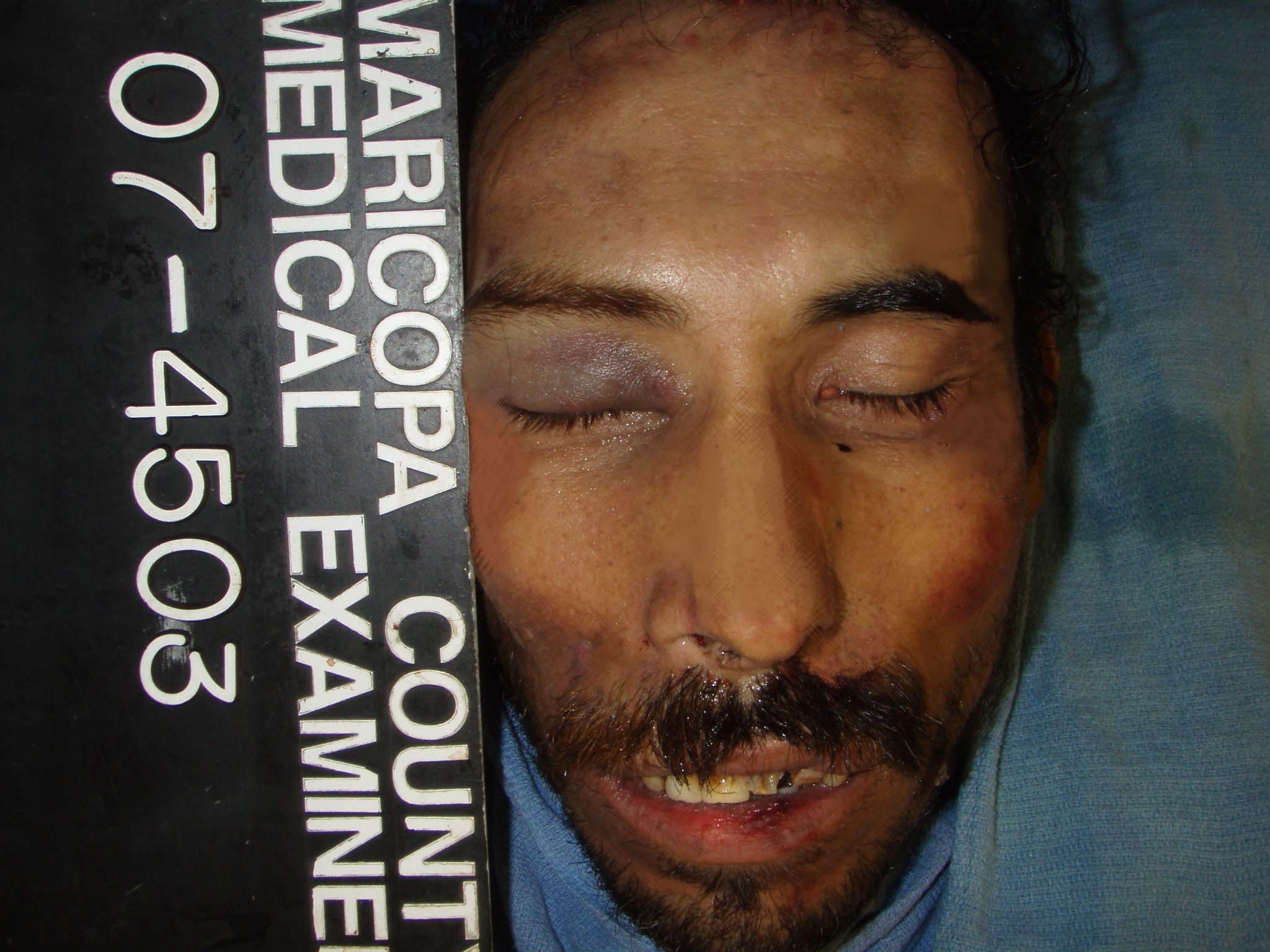
Randy's physical description has remained an important part of efforts to keep his identity recognizable over the years. Missing-person records describe him as having brown hair and brown eyes and emphasize the numerous tattoos covering both arms, particularly the snake design. Such markings could have been especially valuable identifiers if someone encountered him after he disappeared or if investigators needed to compare his case with unidentified-person records. Online records associated with NamUs also show that potential unidentified-person comparisons have been considered and excluded over time, illustrating one of the painstaking ways a decades-old missing-person investigation can continue even when there are no publicly announced breakthroughs. An exclusion does not explain what happened to Randy; it simply means that a particular unidentified person was determined not to be him, narrowing one avenue while leaving the larger mystery unresolved.
The available information about Randy's disappearance is strikingly sparse considering how many years have passed. There is no detailed public chronology describing his final day in Arivaca, no publicly available explanation for why his automobile later appeared in Marana, and no known eyewitness account in the reviewed sources documenting Randy's movements after October 23, 1997. Those omissions should not be mistaken for evidence that nothing was investigated; rather, they reflect the limited amount of investigative information that has been made public. The Pima County Sheriff's Department has remained associated with the case, and Randy's disappearance has continued to be presented by established missing-person organizations as unsolved and suspicious. NamUs, which serves as the national repository for missing and unidentified-person cases, continues to carry a publicly accessible missing-person entry for Randy, and its broader reporting distinguishes publicly viewable active cases from cases archived after an investigating agency determines they have been resolved. Randy's publicly accessible NamUs record remains available as a missing-person case.
At the center of the case is a man who left behind far more questions than answers. Randy Scott Chadburn was 41 when he disappeared from Arivaca on October 23, 1997, and nothing in the publicly available record establishes where he went afterward or what became of him. Months later, his car surfaced in Marana, providing investigators with a tangible connection to him but apparently not the answer his loved ones needed. Authorities have characterized the circumstances as suspicious, yet the evidence behind that conclusion and the events leading to Randy's disappearance have never been fully described to the public. Decades later, his tattoos, physical description, last-known location and abandoned vehicle remain the principal publicly documented pieces of a deeply incomplete story. Randy's case endures as an unresolved disappearance investigated by the Pima County Sheriff's Department: a 41-year-old man vanished from Arivaca, his vehicle was discovered months later in another Pima County community, and no publicly established account has ever explained the distance between those two events or what happened to Randy himself.Last Seen: Oct 23, 1997