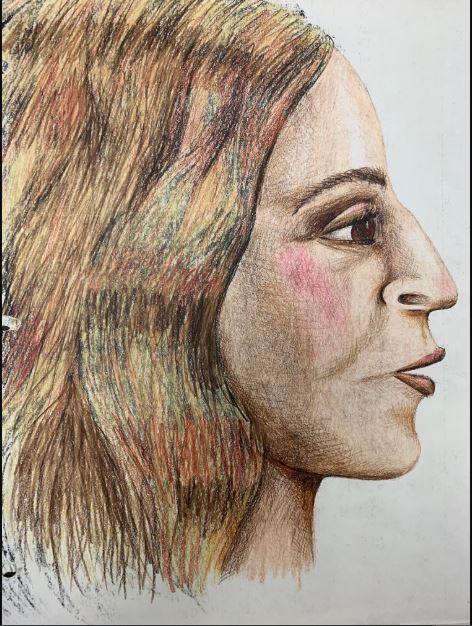
In the quiet town of Kettering, Ohio, the evening of February 11, 1976, marked the beginning of a long and painful mystery for the family of 14-year-old Lori Jean Lloyd. That night, Lori was at her home with a friend, babysitting her young nephew. Her mother, Anita Smith, stopped by with a pizza, a seemingly ordinary moment that would become her last memory of her daughter.
A short time later, Lori reportedly left the house to walk to a nearby convenience store, just three blocks away, to buy cigarettes. She never made it to the store and was never seen or heard from again. When her mother returned around midnight, she found Lori's friend and nephew asleep, but Lori was gone. An immediate search of the area by her mother yielded no trace of the young girl.
Despite Lori having a history of running away, this instance felt different to her family. In the past, she would always contact them to let them know she was safe. This time, there was only silence. She left behind all her personal belongings, including her purse and a small amount of money in a savings account that was never touched. The only item noted as missing was a knapsack. The initial police response was tempered by her runaway history, and the investigation did not gain significant traction in the crucial early stages. One of Lori's friends mentioned a plan to meet a boy who was supposed to take her to California to live with her father, but this individual was never identified.
Years turned into decades, and the family's hope for answers never faded. A strange lead emerged in 1980 when Lori's family, while in California, watched a documentary about the drug 'angel dust' and spotted an extra who bore a striking resemblance to their missing daughter. They contacted the filmmakers, who were unable to identify the young woman as she had not signed a release. This potential sighting led to the production of another documentary in 1981 titled 'Whatever Happened to Lori Jean Lloyd?', but it failed to generate any solid leads. In 2016, a significant development occurred when a Kettering detective, reviewing the cold case, discovered overlooked dental records. These records were a match to a Jane Doe found in Grant County, Kentucky, just two months after Lori's disappearance. While her family has acknowledged this identification, official confirmation has been complicated by the fact that the remains were buried in a mass grave. The case of Lori Jean Lloyd is a heartbreaking story of a young girl who vanished, leaving behind a family to grapple with decades of uncertainty and the pain of an unresolved loss.Last Seen: Feb 11, 1976