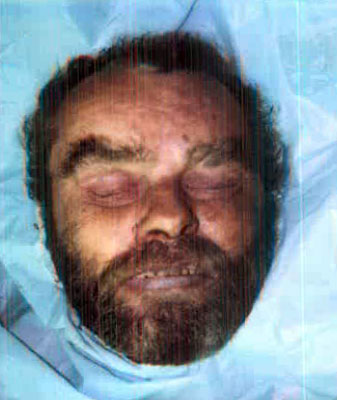
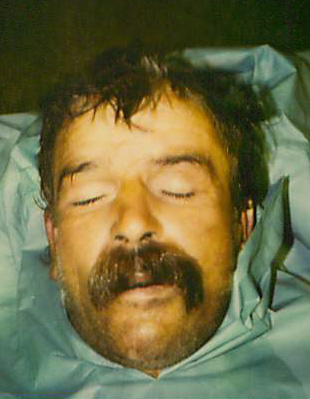
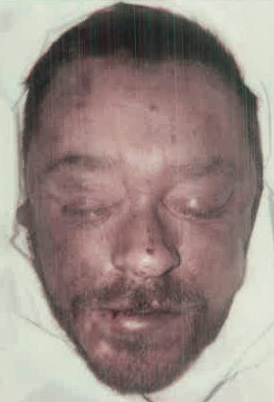
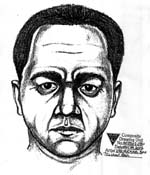
Richard Hudson, a 39-year-old United States Marine Corps veteran who served in the Vietnam War, was a patient at the Marlboro Psychiatric Hospital in Marlboro, New Jersey. On March 9, 1991, he was last seen leaving the hospital grounds. At the time of his disappearance, Hudson was wearing a navy blue down jacket, tan pants, and sneakers. He is described as a white male with brown hair and blue eyes, standing at 5'8' and weighing 158 pounds. He has a few distinguishing marks, including a scar on his knee and another on his right leg, as well as a tattoo on his right arm. The circumstances surrounding his departure from the hospital remain unclear, and he has not been seen or heard from since.
The Marlboro Psychiatric Hospital, where Hudson was a patient, had a troubled history and was already facing scrutiny at the time of his disappearance. The facility, which opened in 1931, was the subject of numerous complaints regarding patient care and safety.
Issues such as patient abuse, neglect, and patients leaving the grounds without authorization were reportedly common. In the years leading up to Hudson's disappearance, there were hundreds of incidents of patients going missing from the hospital. The hospital was eventually closed in 1998 following a state investigation that uncovered widespread problems, including patient mistreatment and financial mismanagement. The closure and subsequent demolition of the hospital have added another layer of complexity to the search for answers in Hudson's case.
The disappearance of Richard Hudson is one of several unresolved missing persons cases connected to the former Marlboro Psychiatric Hospital. His case is a poignant reminder of the vulnerabilities of individuals within such institutions and the lasting impact their disappearances have on their families and communities. Despite the passage of time, the search for Hudson continues, with his case logged in national missing persons databases. The lack of information and the historical issues at the hospital have made the investigation challenging, leaving his loved ones without closure. The overview of this case highlights the difficulties in resolving long-term missing persons cases, especially those originating from institutions that are no longer in operation.Last Seen: Mar 9, 1991