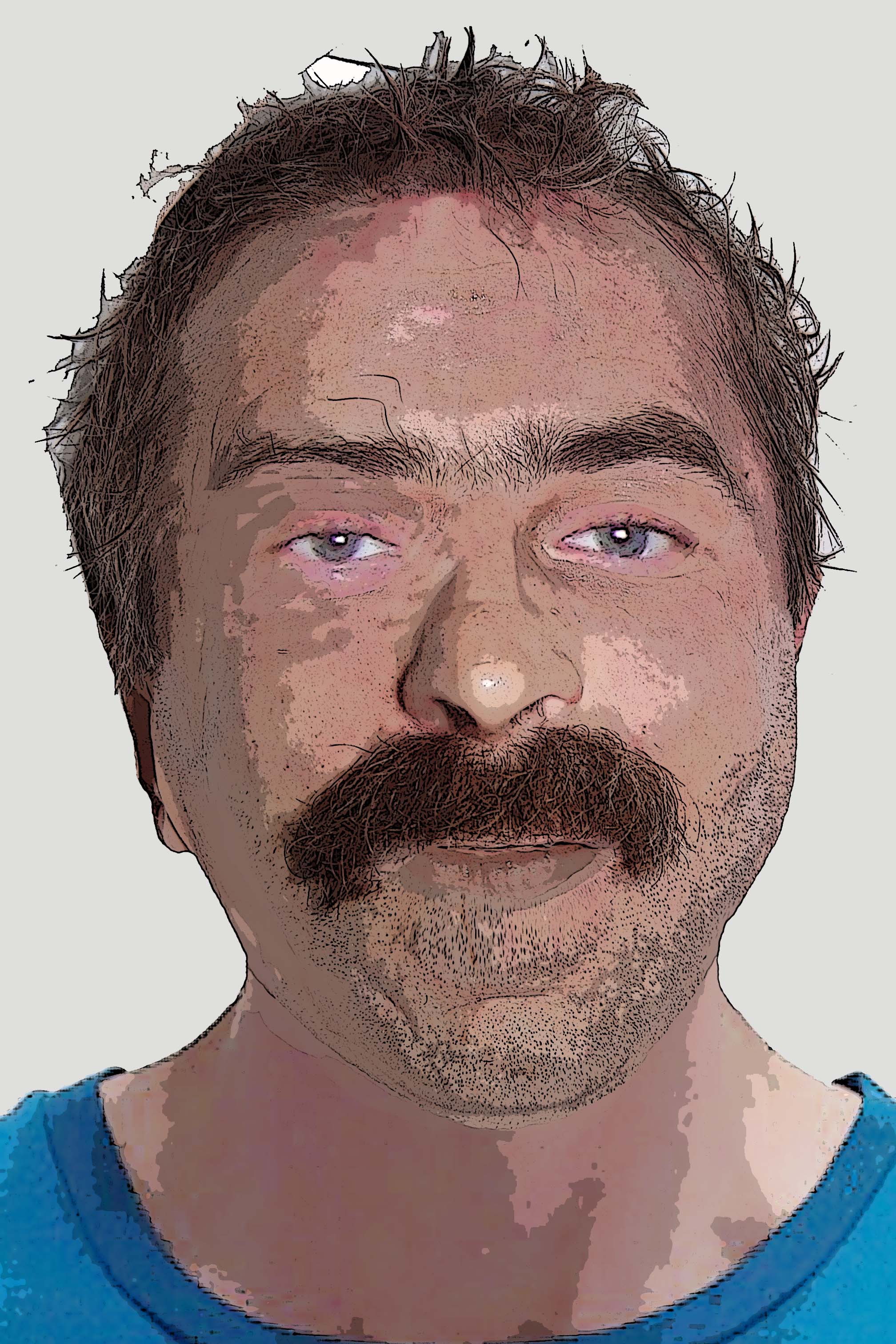
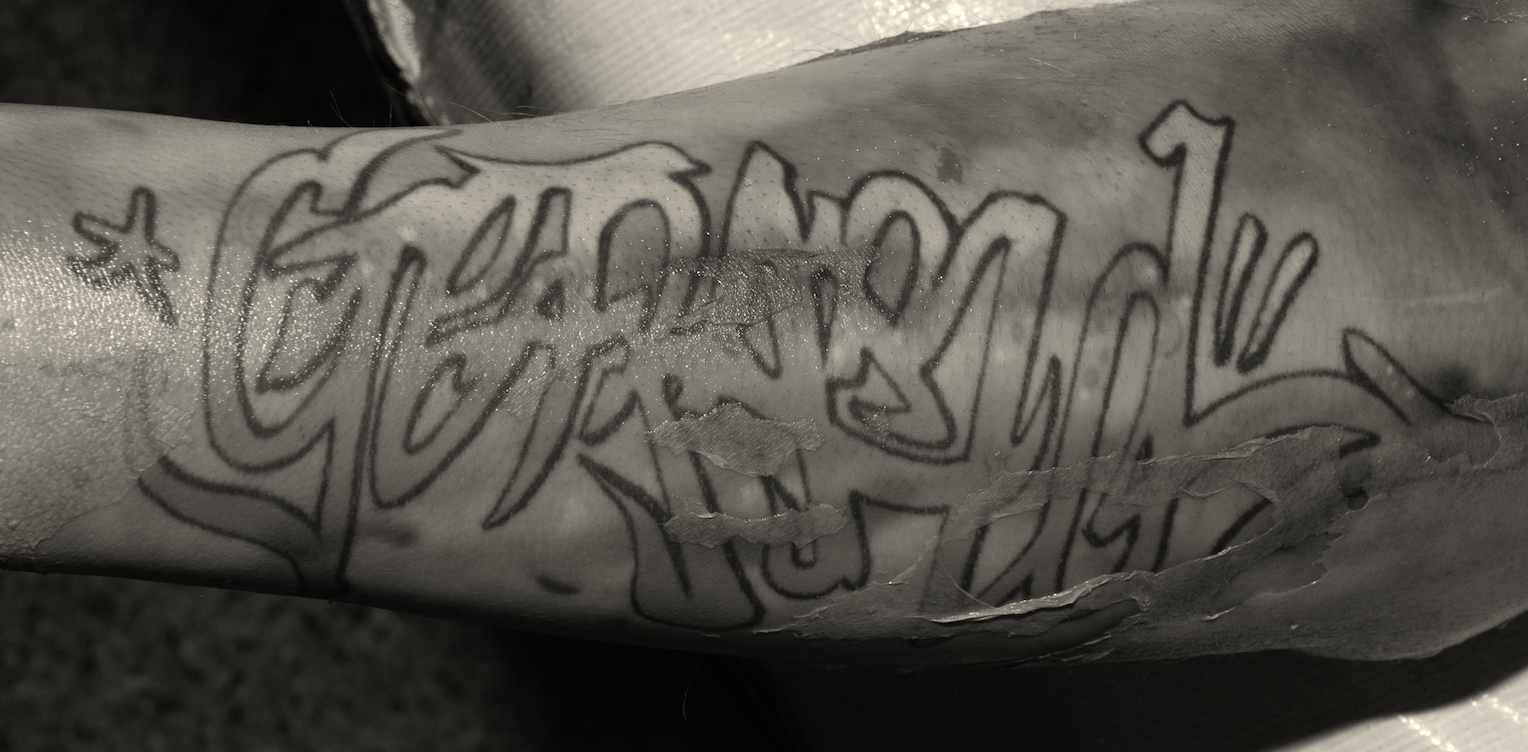
In the early morning hours of July 22, 1997, a 26-year-old man named Steven Alexander Clark vanished from Bay City, Michigan. On that night, Steven and his roommate, Christopher W. Cushway, had been drinking and set out to get more liquor. Their car sustained a flat tire, which Cushway parked in a lot near Madison Avenue. The two then proceeded on foot to a liquor store, made their purchase, and began the walk home, intending to cross the Veterans Memorial Bridge. However, their paths diverged when Steven reportedly wandered into an alley, and his roommate continued home without him. When Cushway woke up later that day, Steven had not returned to their shared apartment in the 400 block of Germania Street. He would not be seen or heard from again.
Steven Alexander Clark was a 26-year-old man when he was last seen in Bay City, Michigan, during the early morning hours of July 22, 1997.
He was approximately five feet eleven inches to six feet tall, weighed about 145 pounds, and had green eyes and brown hair that reached his shoulders. Steven was wearing a black Ozzy Osbourne T-shirt, black shorts, and black high-top shoes. The last known account of his movements began as an ordinary late-night trip with his roommate, Christopher W. Cushway, but it ended with Steven walking into a dark city alley and never being seen again. Nearly three decades later, the Bay City Department of Public Safety continues to include his disappearance among its cold cases.
Steven and Cushway had reportedly been drinking together before deciding to go out and purchase more alcohol. During the trip, their vehicle developed a flat tire, and Cushway parked it in a lot near Madison Avenue. The two men continued on foot to a party store, bought liquor, and began walking back toward the apartment where they were living. Their intended route would have taken them across Veterans Memorial Bridge. At some point during the walk, however, Steven separated from his roommate and wandered into an alley. Cushway did not follow him and instead continued home alone. According to the account later provided to investigators, Cushway went to sleep and discovered after waking that Steven had still not returned.
Steven’s disappearance was not immediately reported. His roommate waited two days before notifying authorities that Steven had failed to come home. That delay meant valuable time had passed before police could begin examining the route between the party store, the alley, Veterans Memorial Bridge, and Steven’s residence. By then, memories could have faded, evidence in public spaces could have disappeared, and anyone who had encountered Steven during the early morning hours may not have understood the importance of what they had witnessed. Publicly available accounts do not identify a confirmed sighting after Steven entered the alley, nor do they describe any physical evidence showing whether he continued walking, entered a vehicle, approached the river, or met someone along the way. The alley therefore became the last known point in a timeline that ended without a clear destination.
Steven had moved into Cushway’s apartment in the 400 block of Germania Street only about a week before he vanished. Before that move, he had lived at the Arlington Hotel and worked at the Texan Restaurant in the 100 block of North Euclid Avenue. He had recently quit that job, but an uncashed paycheck remained among the property he left behind. Steven also abandoned his vehicle, keys, clothing, guitar, and other personal possessions. Most significantly, his savings account was never accessed after his disappearance. Investigators found no financial trail suggesting that he withdrew money, purchased transportation, or quietly began a new life somewhere else. The fact that so many necessary and personally meaningful possessions remained behind became one of the strongest indications that his absence had not been carefully planned.
Music was an important part of Steven’s identity. His family recalled that he loved heavy metal bands, particularly Anthrax, Megadeth, and Metallica, and enjoyed playing their music on his guitar. Leaving that guitar behind was especially difficult to reconcile with the idea that he had intentionally walked away forever. Steven had previously disappeared from contact for periods lasting days or even weeks, but he had always eventually reached out to his loved ones. His family knew that history, yet they also recognized that this disappearance was fundamentally different. Days became weeks, then months and years, without a telephone call, letter, financial transaction, official record, or reliable sighting establishing that Steven was still living independently under his own name.
Steven also struggled with alcohol. His relatives described him as someone whose behavior and personality could change considerably when he had been drinking. He had sought counseling for his alcohol problem at one point, but heavy drinking remained part of his life near the time he disappeared. Because he and his roommate had consumed alcohol on the final night, investigators were left to consider whether intoxication placed Steven in danger. He may have become disoriented, suffered an accidental injury, entered the nearby water, encountered someone who harmed him, or become involved in a confrontation that was never reported. None of those possibilities has been conclusively established. Public records do not name Cushway or anyone else as a suspect, and no arrest has been announced in connection with Steven’s disappearance. Nevertheless, law enforcement has classified the case as endangered missing, and foul play has long been suspected.
The geography of Steven’s final walk has contributed to concerns about what may have happened. Veterans Memorial Bridge crosses the Saginaw River, and the planned route home would have placed Steven near waterways and other areas that could have been hazardous during the early morning, particularly for someone who had been drinking. At the same time, the account that he entered an alley opened other possibilities, including an encounter with another person or transportation away from the area. No publicly reported evidence confirms that Steven reached the bridge, entered the river, or left Bay City. Searches and investigative efforts have not produced his remains, clothing, wallet, or any other object that could establish his path after he separated from Cushway. The absence of such evidence has prevented authorities from determining whether Steven’s disappearance resulted from an accident, a crime, or another unknown circumstance.
In June 2011, Steven was declared legally dead. The decision allowed his family to address the legal consequences of his prolonged absence, but it did not establish when, where, or how he died, and it did not mean that his remains had been located. Family members continued to express a measure of hope that Steven might somehow still be alive, perhaps living outside ordinary systems and avoiding the use of financial accounts or identifying records. At the same time, they acknowledged the more painful likelihood that he died soon after he disappeared. A legal declaration could not provide the answers they had sought since 1997, and the official missing-person record remained active because no evidence had resolved his fate.
Steven’s case remains under the authority of the Bay City Police Department and is recorded in NamUs as missing-person case MP7064. Official records preserve the basic facts: he was last seen walking down an alley, the roommate who was with him reported him missing two days later, his belongings remained at his residence, and his savings were never touched. The limited evidence leaves investigators dependent on memories, overlooked records, unidentified remains comparisons, and information that someone may have withheld for many years. No publicly identified suspect, confirmed crime scene, or verified later sighting has brought the case closer to a final explanation.
Steven Clark’s disappearance is ultimately the story of a young man whose late-night walk home became the last confirmed chapter of his life. He left a party store with his roommate, separated from him near an alley, and vanished while still close to his Bay City home. His guitar, vehicle, clothing, keys, paycheck, and savings were all left untouched, suggesting that whatever happened was sudden and unintended. Although Steven had previously withdrawn from contact for brief periods and struggled with alcohol, he had never before disappeared permanently or abandoned every part of his established life. In overview, the case remains an unresolved Bay City cold case involving a 26-year-old man last seen on July 22, 1997, a delayed missing-person report, a troubling lack of physical evidence, and a family still left without the knowledge of whether Steven suffered an accident, became the victim of foul play, or encountered some other circumstance that prevented him from ever returning home.Last Seen: Jul 22, 1997