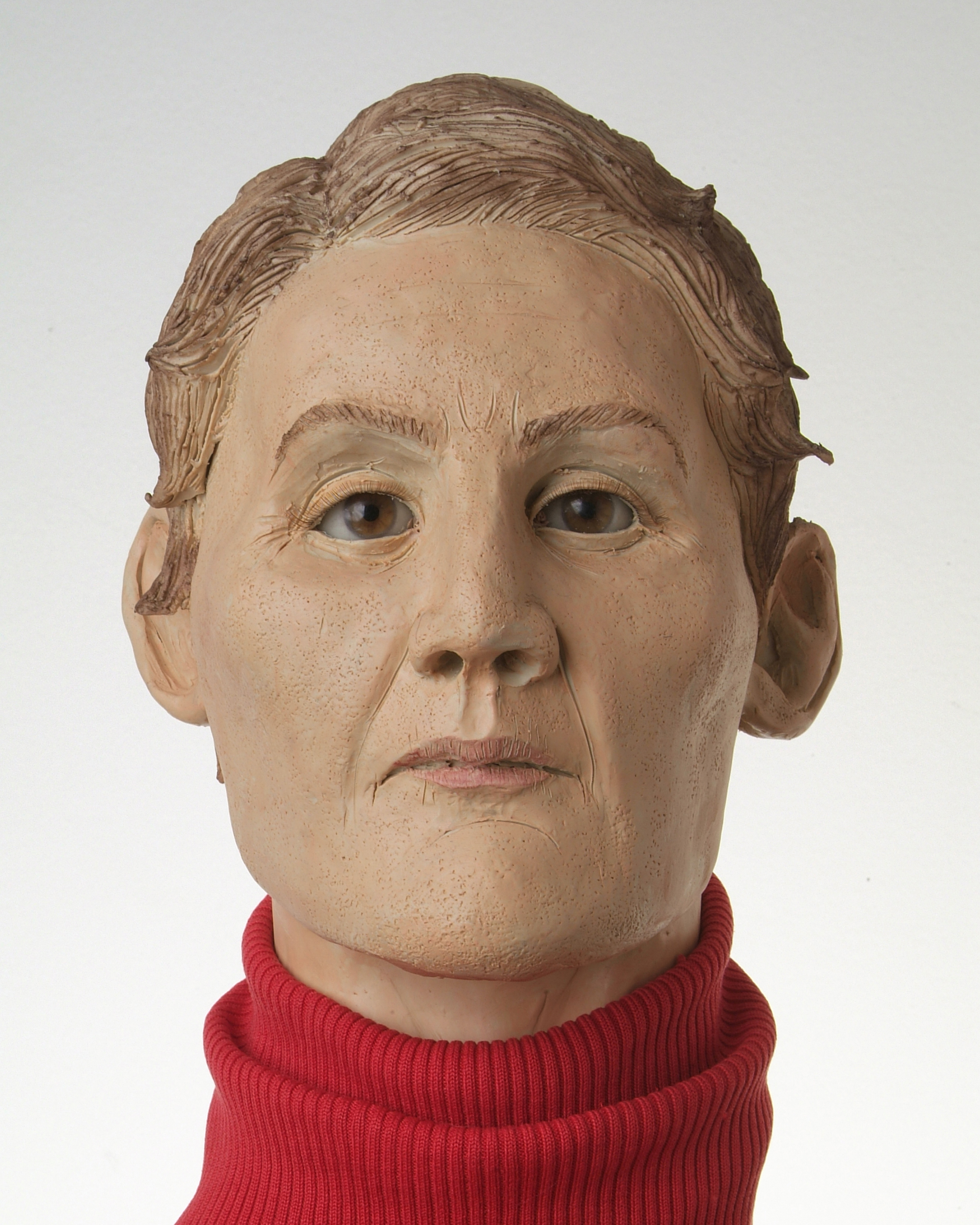
On February 26, 2001, 30-year-old Aferdita Gjergjaj, also known as Rita, vanished from Auburn Hills, Michigan. A native of Albania who moved to the United States in her early childhood, she was a mother of two and the manager of a clothing boutique in Troy, Michigan. That evening, she informed her sister she was heading to the Showcase Cinemas on Opdyke Road to meet her ex-husband, Binak 'Kola' Gjergjaj, to discuss the custody of their children.
Surveillance footage from the parking lot captured Aferdita arriving in her light blue Ford Escort. She then exited her vehicle, entered a second car, and sat inside it for about half an hour before the vehicle drove away with her still inside. Aferdita Gjergjaj has not been seen or heard from since.
Concerns grew when Aferdita failed to show up for her job. Shortly after she was reported missing, her car was discovered in the cinema's parking lot. Inside the vehicle were her purse, cell phone, and an unused bullet from her handgun; the gun itself was missing. The investigation soon focused on her ex-husband, Binak, with whom she had a troubled history. The couple, who married in 1987 and separated in 1996, had a contentious relationship regarding the custody of their children. By 2001, Aferdita had not seen her children in three years and was actively seeking more access to them. It was alleged that Binak had threatened to kill her if she persisted in her efforts to gain more custody.
Shortly after his ex-wife's disappearance, Binak Gjergjaj fled the United States to his native Kosovo, leaving his children behind. In the years that followed, law enforcement continued to view him as the primary suspect. In 2011, a warrant was issued for his arrest in connection with Aferdita's murder, and he was taken into custody in Kosovo. However, he was released after Kosovo refused to extradite him to the United States. Years later, in June 2019, Binak was arrested again in Kosovo for the same charge. Facing a greater likelihood of extradition, he took his own life in a jail bathroom before he could be returned to the U.S. to face trial. Although authorities believe he was responsible for her death and she has been declared legally dead, Aferdita's body has never been found. The case remains a painful and unresolved mystery for her loved ones, a story of a mother's fight to see her children that ended in tragedy. Foul play is strongly suspected in her disappearance.
Aferdita “Rita” Gjergjaj was a 30-year-old woman who was last seen in Auburn Hills, Michigan, on February 26, 2001. She was a mother of two, a native of Albania who had moved to the United States during childhood, and at the time of her disappearance she was managing a clothing boutique in Troy. Public missing-person records describe Aferdita as approximately 5 feet 3 inches to 5 feet 5 inches tall and between about 115 and 130 pounds, with long reddish or auburn hair and brown eyes. She had a scar on her forehead and was known by the nicknames “Rita” and “Gina.” On the day she vanished, she was reportedly wearing a black top, denim jacket, black leather coat and denim pants. The circumstances of her disappearance would quickly become deeply troubling because her final known movements were partially captured by surveillance equipment, providing investigators with a glimpse of what happened immediately before she disappeared while leaving unanswered the most important question of where she went afterward.
That evening, Aferdita told her sister that she was going to the parking lot of Showcase Cinemas on Opdyke Road in Auburn Hills. According to published accounts, she intended to meet her former husband, Binak “Kola” Gjergjaj, in connection with their two children. Aferdita and Binak had married in 1987, separated in 1996, and later divorced. They shared legal custody of their children, while Binak had physical custody. By the time Aferdita disappeared, reports indicate she had not seen the children for several years and was trying to obtain greater access to them. Surveillance footage from the Showcase Cinemas parking lot confirmed that Aferdita arrived there in her light blue Ford Escort. She got out of her own car and entered another vehicle. She remained inside that second vehicle for approximately half an hour before it drove away with her still inside. That was the last known sighting of Aferdita, and she was never known to return to her own vehicle.
Concern grew when Aferdita failed to report for work at the clothing boutique she managed in Troy. Her Ford Escort was subsequently found still sitting in the movie theater parking lot. Inside were important personal belongings that she had apparently left behind, including her purse and cellular telephone. Published accounts also report that an unused round of ammunition from Aferdita’s handgun was discovered inside the vehicle, while the handgun itself was missing and has never been recovered. Those circumstances made the abandoned Escort especially significant to investigators: Aferdita had apparently arrived at the theater normally, transferred into another vehicle, and then disappeared while possessions that would ordinarily accompany someone planning to remain away were left behind. The available public record does not identify the driver of the second vehicle from the surveillance footage or provide evidence establishing precisely where that vehicle went after leaving the theater.
Investigators eventually focused considerable attention on Binak Gjergjaj. Public reports state that Aferdita had previously accused him of violence and that authorities alleged he had assaulted her in 1998. The Charley Project reports that Aferdita had said Binak threatened to kill her if she tried to take their children from him. These were allegations surrounding a relationship that had already ended by the time Aferdita disappeared, but they became important to investigators after Binak left the United States for Kosovo shortly after she vanished, leaving the children behind and reportedly ceasing contact with them. In 2002, authorities charged him with felony assault in connection with the alleged 1998 attack on Aferdita, but Kosovo did not extradite him to the United States to answer that charge. His departure overseas created a major obstacle for investigators who wanted to question or prosecute him in connection with events surrounding Aferdita’s disappearance.
The investigation escalated years later when the Oakland County Prosecutor authorized a murder warrant for Binak in connection with Aferdita’s case. He was arrested in Kosovo in 2011, but efforts to return him to Michigan were unsuccessful after Kosovo declined to extradite him, and he was later released there. In June 2019, authorities in Kosovo arrested him again on the Michigan murder warrant. By that time, changes in extradition relations between Kosovo and the United States raised the prospect that investigators might finally be able to bring him back to Michigan to face the charge. That never happened. While he remained in Kosovar custody, Binak died by suicide in jail before he could be extradited and tried. Because he never stood trial, the murder allegation against him was never tested before a Michigan jury, and there was never a criminal verdict establishing his responsibility for what happened to Aferdita. Auburn Hills investigators nevertheless publicly described him as their principal suspect and continued trying to determine where Aferdita had been taken after she disappeared.
Nearly two decades after Aferdita vanished, investigators followed a significant new lead to the Galaxy Coney Island on Grand River Avenue in Detroit. In October 2020, personnel from the Auburn Hills Police Department, Detroit police, Michigan State Police and the FBI searched beneath portions of the restaurant’s basement floor. Auburn Hills Deputy Chief Ryan Gagnon said investigators had probable cause to believe Aferdita had been murdered and that her remains might at some point have been buried at the location. Authorities spent hours excavating and searching the property, but the effort did not produce the answer her family had hoped for. Police announced afterward that no human remains or other evidence connected to Aferdita had been found there. Investigators appealed to the public for information that could help them locate her and bring some measure of closure to the family, emphasizing that despite the passage of so many years, they continued to pursue information about where she might have been taken.
Aferdita’s disappearance remains especially haunting because investigators know more about her final minutes than is common in many long-term missing-person cases, yet those details have never led to her location. She drove to a busy Auburn Hills movie theater, left her Ford Escort in the parking lot, entered another vehicle and remained there for roughly thirty minutes before being driven away. Her purse and phone remained behind, she failed to appear for work, and she never resumed contact with her family. The subsequent investigation stretched from Michigan to Kosovo and continued for decades, involving a murder warrant, repeated attempts to extradite her former husband, and searches for her remains after his death. Even the extensive 2020 excavation of a Detroit restaurant produced no physical evidence that could finally explain where Aferdita was taken. In overview, Aferdita “Rita” Gjergjaj was a 30-year-old mother last seen on February 26, 2001, at Showcase Cinemas in Auburn Hills; surveillance showed her leaving her own car and departing in another vehicle, her belongings were found in the Ford Escort she left behind, investigators later identified her former husband as their principal suspect and obtained a murder warrant for him, but he died in Kosovo before he could be extradited and tried, and searches conducted years later still failed to locate Aferdita. Her story remains one of a mother who went to a public meeting place in hopes of addressing matters involving her children and then vanished, leaving her loved ones and investigators with a final sequence captured on camera but no definitive answer about where she was taken afterward.Last Seen: Feb 26, 2001