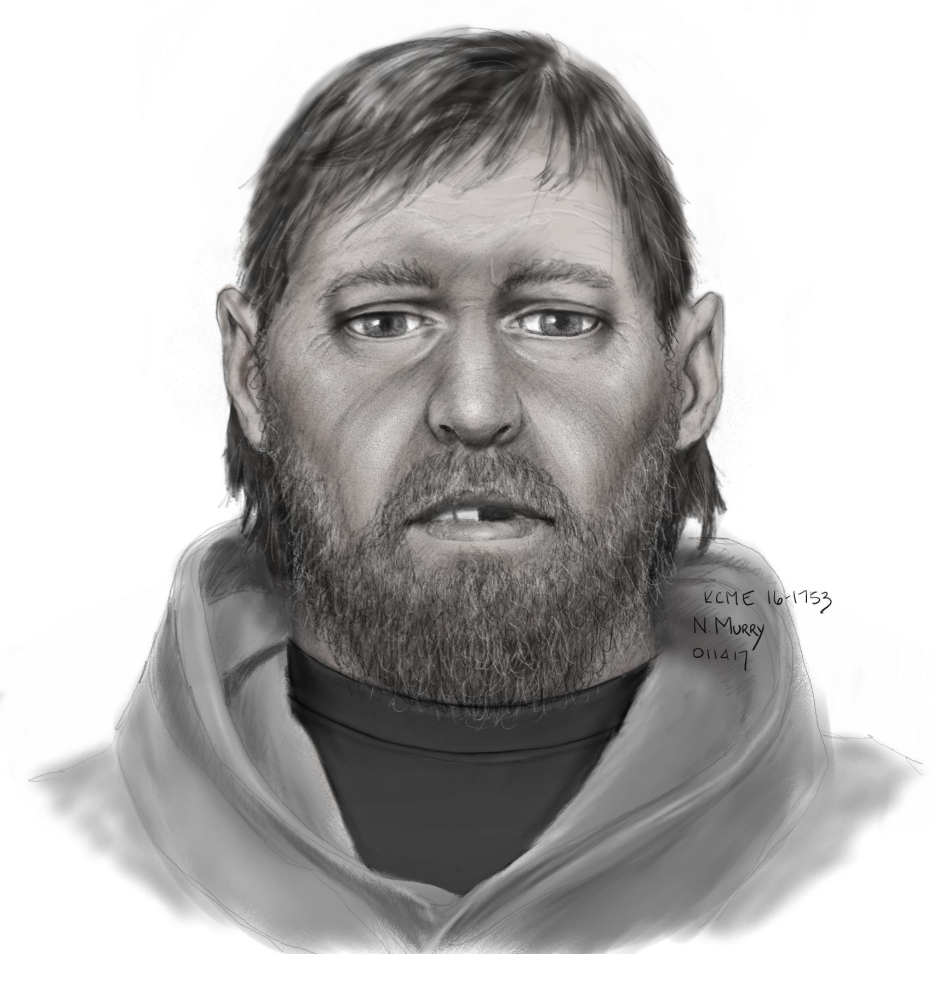
In the spring of 1989, a distressing quiet fell over the home of Ralph Alan Newcombe, a 35-year-old man who had recently moved to Seattle, Washington. On the morning of April 17th, his wife left for work, leaving Ralph at their North Seattle residence. When she returned, he was gone. This marked the last time he was ever seen or heard from by his loved ones. The days that followed were filled with a growing sense of unease as there was no word from Ralph.
The unsettling silence was punctuated by a significant discovery when his red and white 1971 Ford 300 series pickup truck was found abandoned. The vehicle was parked across the street from the Alaska Ferry Terminal in Seattle, a detail that would become a central and enigmatic element of his disappearance.
The discovery of Ralph's truck only deepened the mystery. Inside the vehicle were his wallet, identification, and his valuable carpentry tools, items one would expect him to have if he were planning a trip. Adding to the perplexing scene, his contact lenses, glasses, and an uncashed check were found back at his home. Investigators learned that the crew of the Alaska ferry that sailed to Alaska did not recall seeing Ralph on board. Just months before he vanished, Ralph and his wife had relocated from Kodiak, Alaska, to Seattle. He was a skilled carpenter who had been successful in building and remodeling houses in Alaska and was in the process of establishing a new business in Washington. His family noted that he was deeply distressed by the Exxon Valdez oil spill, which had occurred just weeks prior, and they speculated that this environmental disaster might have prompted him to return to Alaska.
Over the years, the investigation into Ralph Newcombe's disappearance has remained open, handled by the King County Sheriff's Office. Despite the passage of time, definitive answers have been elusive. There have been unconfirmed indications that he may have been in Montana and Wyoming since his disappearance. Authorities have considered the possibility that he may have chosen to leave on his own and start a new life under a different identity. A native of Missouri and a graduate of Southern Illinois University with a degree in microbiology, Ralph was also an avid outdoorsman who enjoyed salmon fishing, hiking, and wilderness camping. The circumstances surrounding his disappearance—the abandoned truck at the ferry terminal, the personal items left behind, and the lack of any confirmed contact—have left his family and investigators with a collection of puzzling clues but no clear path to understanding what happened to him after he walked out of his Seattle home.Last Seen: Apr 17, 1989