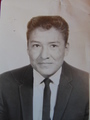
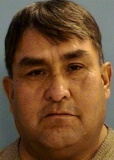
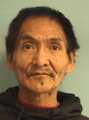
In the late summer of 2013, the life of a young father and dedicated firefighter, Craig Alden Harrison, took a turn into bewildering uncertainty. At 26 years old, Craig was last seen on September 5, 2013, in Gallup, New Mexico. On that day, following a disagreement with his girlfriend, he walked away from her home, a simple act that would become the starting point of a long and painful mystery for his loved ones.
Craig, a member of the Navajo Nation, was known to occasionally hitchhike, a common practice in the sprawling landscapes of the Southwest. This detail, while seemingly minor, would later add another layer of complexity to the efforts to retrace his last known movements. The day he vanished, a significant clue emerged: Craig renewed his driver's license in Houck, Arizona, a small community just across the state line. This piece of information provided a tangible geographic marker in the timeline of his disappearance, suggesting a possible direction of travel and offering a glimmer of hope that his whereabouts could be traced.
As the days turned into weeks and then years, the silence from Craig grew deafening for his family. A father to two children, his absence left a void that could not be filled. Craig was not just a family man; he was also a brave individual who served his community as a Navajo Scout firefighter, a role that spoke to his courage and commitment to helping others. His physical appearance was memorable: a Native American male with black hair and brown eyes, standing at about 5'5" and weighing around 120 pounds. He had distinctive features, including a tattoo of the word "Colbs" on his right forearm and a burn scar on his abdomen. When he was last seen, he was wearing a black t-shirt, dark gray shorts, and black Nike shoes. These details, meticulously gathered and shared, became the identifiers in a search that has stretched on for more than a decade, a constant reminder of the man who seemingly vanished without a trace.
The investigation into Craig Harrison's disappearance has been a long and arduous journey for both his family and the Gallup Police Department, the agency handling his case. The lead that he might have traveled to Arizona was a primary focus, with a possible sighting of him in Sanders, Arizona, where it was reported he might have been seen with his brother. However, despite these initial leads, the trail grew cold. The vastness of the landscape and the transient nature of hitchhiking presented significant challenges to investigators. Over the years, his case has remained open, a file among many that speaks to the silent crisis of missing and murdered Indigenous people. The overview of Craig's case is a heart-wrenching narrative of a young life interrupted, a family left in limbo, and a community still hoping for answers. The circumstances of his disappearance, starting with a simple argument and ending in a mystery that spans two states, underscore the fragility of life and the enduring pain of not knowing what happened to a loved one.Last Seen: Sep 2, 2013