Crime Solvers Central
298 Cases Solved. Advancing justice for missing persons, unsolved homicides, unidentified and unclaimed remains.

Case Description

Any updates on this case? Let us know!
Summary based on the NamUs case record (MP39680) and 12 other sources
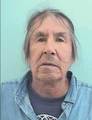
Lewis "Jim" Stouffer, 50, was last seen on June 13, 2017, in Bloomfield, New Mexico. He had dropped off his girlfriend at work for her shift and told her he would be running errands, including a stop at a laundromat. He was supposed to return to pick her up at the end of her shift, but he never showed up. His sudden disappearance raised concerns as it was out of character for him to be out of contact for so long.

On July 5, 2017, Stouffer's car, a Hyundai Elantra, was found abandoned on an oil and gas road off Highway 575, near Aztec, New Mexico. Despite an extensive search of the area, no signs of Stouffer were found, and there was no immediate indication of foul play. Investigators have considered multiple possibilities, including accidental harm or voluntary disappearance, but his family strongly believes something happened to him, as he had no known history of mental illness or prolonged disappearances.

The case remains unsolved, with authorities continuing to appeal for any information that might lead to answers about his whereabouts. His disappearance has left his loved ones in a state of uncertainty, with search efforts ongoing in hopes of finding closure.

Last Seen: Jun 13, 2017

Possible Unidentified Matches (1)

Unidentified remains cases whose details are consistent with this person, ranked by how closely they compare. Fields that are unknown in either case are left out of the score.

82%Moderate
John Doe — Kirtland, New Mexico
UP65046 • Found Nov 23, 2019
View case
Sex ✓Male
Age 100%Est. 38–52 vs 50 when missing
Race 100%White
Location 97%21 mi away, same county
TimingFound 2 years after last seen
Height 84%5'8" vs 5'10"
Weight 100%174 lb vs 165 lb

These comparisons are generated automatically from public NamUs case data and are not confirmed identifications. Only DNA, dental or fingerprint comparison by investigators can confirm an identity. If you believe two cases are connected, contact the agency handling the unidentified case.