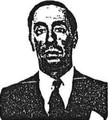
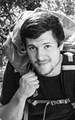
Gary James Lewis was a 29-year-old man when he disappeared during a hunting trip in Alaska in November 1984. The National Missing and Unidentified Persons System identifies his date of last contact as November 11, 1984, and lists him as missing from Cordova, Alaska. The circumstances recorded in the NamUs-derived case information place his last known movements much more specifically in the Icy Bay area: Lewis was overdue from a hunting trip and was last seen climbing a mountain, then walking westward from a ridge spur west of Carson Creek. Contemporary newspaper coverage adds important context to the location. An Associated Press report published at the time identified Lewis as being from Chugiak and said he had been hunting mountain goats near Icy Bay, approximately 70 miles northwest of Yakutat in southeast Alaska. Thus, while Cordova is the missing-from location carried in the modern national record, the events immediately surrounding Lewis's disappearance unfolded in the isolated country around Icy Bay and Yakutat. What survives in the public record is the image of a young hunter moving farther into mountainous country, with that westward walk from the ridge becoming the final documented direction of travel connected to him.
The alarm was raised when Lewis did not return from the hunt, and contemporary reporting shows that a significant search effort followed. One Associated Press account said another man had accompanied Lewis as far as Yakutat but had not gone hunting with him and subsequently reported him missing. A later report described the person reporting the disappearance as the pilot of the aircraft that had left Lewis for the goat hunt. Although those accounts differ slightly in how they identify the person who raised the alarm, both make clear that Lewis had been transported into the Icy Bay region for the hunt and failed to come back as expected. Rescue workers searched from the air and on the ground. The effort included a helicopter, a five-person volunteer group from Anchorage, and 12 men from a nearby logging camp. Searchers spent multiple days attempting to locate him without finding a trace of Lewis himself. They did, however, find a mountain goat that authorities believed Lewis had shot. That discovery was one of the few tangible indications that he had successfully reached his hunting area and had been actively hunting before something interrupted his return. The search was eventually suspended, according to another contemporary Associated Press report citing the Alaska State Troopers. The surviving newspaper accounts do not describe a discovery of Lewis during that initial operation or provide a definitive explanation for what happened after he entered the mountains.
The identifying information preserved with Lewis's case provides a remarkably specific picture of both the man being sought and the equipment he carried into the backcountry. He was described as White, approximately 5 feet 6 inches tall and 145 pounds, with blond or strawberry-blond hair and blue eyes. He wore contact lenses. His clothing was suited to cold-weather outdoor travel: a brown wool shirt, green wool pants, a dark blue down jacket, and hunting-type boots. He also had a green backpack, gloves, and a stocking hat. The equipment associated with him suggests that he anticipated steep, difficult terrain rather than an ordinary walk through low country. His listed gear included crampons, an ice axe, a rifle, a 50-foot rope, and a Cricket lighter. Those details are especially significant when considered alongside the last reported sighting of him climbing a mountain and then proceeding west from the ridge spur near Carson Creek. They show that Lewis had equipment associated with climbing, ice travel, hunting, and emergency survival, but the available public records do not reveal whether any of those belongings were subsequently recovered. The physical description, clothing, and equipment have remained attached to his missing-person information so that any future discovery potentially connected with the case can be compared with what Lewis was known to have with him when he disappeared.
In the years since the disappearance, Lewis's information has been preserved in the National Missing and Unidentified Persons System as case MP43140. NamUs identifies Gary James Lewis by name, associates him with Cordova, Alaska, and records November 11, 1984 as his last contact date. Alaska's Missing Persons Clearinghouse, operated within the Alaska Bureau of Investigation, serves as the state's central repository for reported missing-person cases and works with national systems such as NamUs and the National Crime Information Center, while also coordinating records and information that can assist with identification. The publicly available material concerning Lewis, however, remains centered overwhelmingly on the circumstances from the time he vanished: the flight into the Icy Bay area, the mountain-goat hunt, his movement through the mountains, the search conducted by aircraft and ground personnel, and the goat believed to have been shot by him. There is no detailed public narrative explaining an accident, a change of plans, or another event that could definitively account for why he did not return. That scarcity of answers is what gives the case its enduring sadness; a routine departure for a wilderness hunt became a story preserved through a handful of official details and contemporary reports, with Lewis's final known path disappearing into an immense landscape. In overview, Gary James Lewis was a 29-year-old male hunter whose last contact was recorded on November 11, 1984, whose disappearance is officially associated with Cordova, Alaska, and whose final known movements occurred during a goat hunt in the Icy Bay region, where he was seen climbing mountainous terrain and traveling west from a ridge spur near Carson Creek. Searchers using a helicopter and organized ground teams found evidence that he had been hunting, but the available public record provides no definitive account of what happened to him after that final journey into the mountains.
Last Seen: Nov 11, 1984