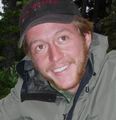
On August 21, 2010, 28-year-old Neal Joseph Spradlin, his 20-year-old brother Seth, and a 26-year-old colleague, Mason McLeod, all employees of the National Park Service, boarded a de Havilland DHC-2 Beaver floatplane at Swikshak Bay in Katmai National Park, Alaska. The men were part of a maintenance crew that had been working on the reconstruction of an old ranger station.
Piloted by 47-year-old Marco Alletto of Branch River Air Service, the plane was scheduled to fly to Brooks Camp and then on to King Salmon. The aircraft, one of two that had flown to the remote lagoon to pick up the crew, departed at approximately 1:45 p.m. A second plane, which took off 15 minutes later, arrived safely in King Salmon, its pilot reporting deteriorating weather conditions that forced him to fly at a low altitude of 500 feet. The Beaver carrying Spradlin, his brother, their coworker, and the pilot never reached its destination, and no radio or emergency locator transmissions were ever received.
An extensive search was launched immediately, involving a multitude of agencies including the U.S. Coast Guard, the Alaska Air National Guard, the National Park Service, and the Alaska State Troopers. Over the next two weeks, search and rescue teams flew more than 60,000 miles across the vast and rugged 4-million-acre park, but found no trace of the missing plane or the four men aboard. The search was a complex operation, combing over mountainous terrain, river valleys, and the coastline between King Salmon and the park's Pacific coast. Despite the exhaustive efforts of numerous aircraft and personnel, no leads were found, and the official search was significantly scaled back on September 4, 2010. The families of the missing men and the tight-knit communities of King Salmon and Naknek were left devastated by the tragic disappearance.
More than a month after the plane vanished, on September 28, 2010, debris from the aircraft was spotted by a local helicopter pilot on a narrow stretch of beach along the park's northern coast, about 10 miles northwest of Sukoi Bay. The wreckage, which included a piece of the tail with identifying numbers, was severely fragmented, suggesting a high-impact collision with the ocean's surface. The discovery confirmed the fears of all involved; there was no indication of any survivors. Investigators from the National Transportation Safety Board were tasked with determining the cause of the accident, but due to the limited and fragmented nature of the recovered wreckage, a definitive cause could not be established. The official report concluded that the events leading to the crash were undetermined. The case of Neal Spradlin and the other three men aboard the ill-fated flight remains a tragic story of loss in the Alaskan wilderness, a somber reminder of the inherent risks of travel in such a remote and unforgiving environment.Last Seen: Aug 21, 2010