
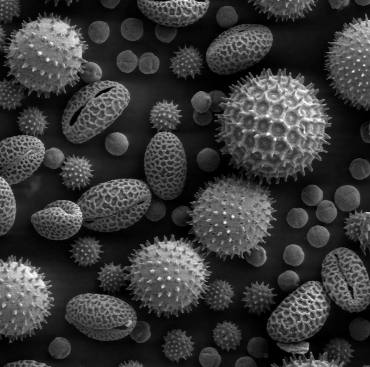
Introduction to Forensic Palynology
Forensic palynology involves the study and application of pollen and spores in legal contexts, particularly criminal investigations. These microscopic particles, produced by various plants, are remarkably resilient due to their tough outer layer composed of sporopollenin. This durability allows them to survive in diverse environmental conditions, making them valuable as trace evidence. The unique characteristics of pollen grains, such as shape, size, and surface patterns, enable forensic experts to identify specific plant species and, consequently, link individuals or objects to particular locations.
Historical Milestones in Forensic Palynology
The inaugural application of forensic palynology dates back to 1959 in Austria. In this landmark case, investigators analyzed mud on a suspect's boots and discovered a combination of modern and fossilized pollen. This specific assemblage was traced to a unique area in the Danube River Valley, leading to a confession and the resolution of the case. This pioneering use of pollen analysis showcased its potential in forensic science.
Mechanisms of Pollen Transfer and Preservation
Pollen grains are omnipresent and can adhere to various surfaces, including clothing, hair, and vehicles. Their microscopic size and resistance to degradation mean they can remain on these surfaces for extended periods. The specific composition of pollen in a given area, known as the pollen assemblage, is influenced by local vegetation and environmental factors. By examining these assemblages, forensic palynologists can infer the geographical origin of a sample and establish connections between suspects, victims, and crime scenes.
Methodologies in Forensic Palynology Unlock the full case narrative for , all available source links, additional videos, and member discussions.
The process begins with meticulous collection of samples to prevent contamination. Samples are then subjected to chemical treatments to isolate pollen grains, which are subsequently mounted on slides for microscopic examination. Identification relies on comparing observed pollen characteristics with reference collections and databases. Advanced techniques, such as DNA barcoding, have enhanced the precision of pollen identification, allowing for more accurate linking of evidence to specific plant species and locations.
MEMBER ACCESS
Continue reading the complete case summary
Cancel anytime.
Already a member? Log in

February 24, 2025, 03:41
Comments:
0
February 19, 2025, 18:24
Comments:
0
April 10, 2025, 17:22
Comments:
0
April 11, 2025, 13:08
Comments:
0
April 28, 2025, 00:23
Comments:
0
February 22, 2025, 17:31
Comments:
0

March 10, 2025, 03:18
Comments:
0

April 28, 2025, 02:29
Comments:
0
April 12, 2025, 03:51
Comments:
0

July 7, 2025, 03:18
Comments:
0
LM
on Vanished Without a Trace: The Unsolved Disappearance of Silvia Menendez in Downtown Los Angeles
Silvia es mi hermana. Si en algún momento tu encuentras este post. Quiero que sepas que te busco, necesito saber que estás bien, segura y a salvo, yo estoy sufrurndo mucho con esta incertidumbre al no saber nada de ti y prnsar que puedas no estar bien.
July 3, 2026, 06:44
LM
on Vanished Without a Trace: The Unsolved Disappearance of Silvia Menendez in Downtown Los Angeles
She is my sister, and I am trying to locate her.
April 30, 2026, 04:53
HC
on Vanished Without a Trace: The Disappearance of Saidy Yolibeth Chirinos in Falfurrias, Texas
Te Xtraño muchooo mi lokitha bella te llevo presente cada día que Dios me presta de vida💔😪
January 31, 2026, 10:14
OT
on Vanished at Sea: The Mysterious Disappearance of Cameron Booth Off Chincoteague's Coast
He was a criminal, an abuser, likely who didn't want to face justice of his actions and took his own life because he could not face the consequences of what he did. The victims have told the family his crimes, with evidence. The family knows he was arrested and convicted of possession of CSAM. They know who and what he was. And they're all so equally sick they live in comfort that the victims don't want to retraumatize themselves over everything he put them through. Dont support this families sick parade of using a monster to get sympathy. He was never ashamed of who he was. He loudly boasted his crimes and justified them. The family shouldn't sit there and pretend, how far from reality are they to sit and post this man publicly on news outlets, websites, knowing who he is. Do they need attention that badly? They don't want the attention from the truth. The victims will never get justice. Do not pray for him o
January 22, 2026, 22:01