
Introduction: The Transformative Power of DNA Evidence
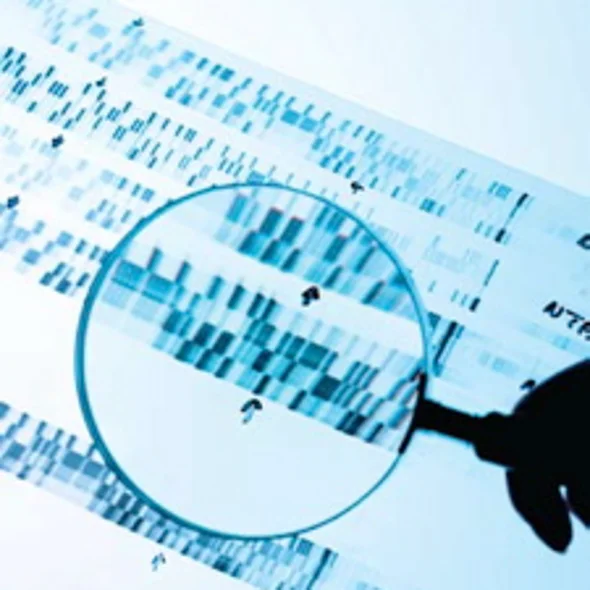
The advent of DNA profiling has revolutionized the criminal justice system, providing a powerful tool to both convict the guilty and exonerate the innocent. Since its first application in the late 20th century, DNA evidence has been instrumental in overturning wrongful convictions, shedding light on miscarriages of justice, and prompting systemic reforms. This article delves into several notable cases where DNA evidence led to the exoneration of individuals who were wrongfully convicted, highlighting the profound impact of genetic science on the legal landscape.
Kirk Bloodsworth: The First Death Row Exoneration via DNA
In 1985, Kirk Bloodsworth, a former Marine, was convicted of the rape and murder of a nine-year-old girl in Maryland. Despite maintaining his innocence, he was sentenced to death. In 1992, post-conviction DNA testing, a novel technique at the time, was conducted on evidence from the crime scene. The results conclusively excluded Bloodsworth as the perpetrator, leading to his exoneration in 1993. This landmark case marked the first time in the United States that a death row inmate was exonerated through DNA evidence, underscoring the potential of genetic testing to rectify wrongful convictions.
Gary Dotson: The Nation's First DNA Exoneration
In 1979, Gary Dotson was convicted of rape in Illinois, primarily based on the victim's testimony. He was sentenced to 25 to 50 years in prison. In 1988, the victim recanted her testimony, admitting that she had fabricated the rape story. Subsequent DNA testing in 1989 confirmed that Dotson's DNA did not match the semen samples from the crime scene, leading to the overturning of his conviction. This case is recognized as the first in the nation where DNA evidence led to an exoneration, highlighting the fallibility of eyewitness testimony and the reliability of genetic evidence.
Rolando Cruz and Alejandro Hernandez: A Tale of Coerced Confessions Unlock the full case narrative for , all available source links, additional videos, and member discussions.
In 1983, Rolando Cruz and Alejandro Hernandez were convicted for the abduction, rape, and murder of ten-year-old Jeanine Nicarico in Illinois. Their convictions were largely based on alleged confessions and witness testimonies. Both men were sentenced to death. Years later, DNA testing on evidence from the crime scene excluded both Cruz and Hernandez as contributors. Additionally, another man, Brian Dugan, had confessed to the crime, and his DNA matched the evidence. In 1995, Cruz was acquitted, and charges against Hernandez were dropped, highlighting the dangers of coerced confessions and the critical role of DNA evidence in ensuring justice.
MEMBER ACCESS
Continue reading the complete case summary
Cancel anytime.
Already a member? Log in

February 24, 2025, 03:41
Comments:
0
February 19, 2025, 18:24
Comments:
0
April 10, 2025, 17:22
Comments:
0
April 11, 2025, 13:08
Comments:
0
April 28, 2025, 00:23
Comments:
0
February 22, 2025, 17:31
Comments:
0

March 10, 2025, 03:18
Comments:
0

April 28, 2025, 02:29
Comments:
0
April 12, 2025, 03:51
Comments:
0

July 7, 2025, 03:18
Comments:
0
LM
on Vanished Without a Trace: The Unsolved Disappearance of Silvia Menendez in Downtown Los Angeles
Silvia es mi hermana. Si en algún momento tu encuentras este post. Quiero que sepas que te busco, necesito saber que estás bien, segura y a salvo, yo estoy sufrurndo mucho con esta incertidumbre al no saber nada de ti y prnsar que puedas no estar bien.
July 3, 2026, 06:44
LM
on Vanished Without a Trace: The Unsolved Disappearance of Silvia Menendez in Downtown Los Angeles
She is my sister, and I am trying to locate her.
April 30, 2026, 04:53
HC
on Vanished Without a Trace: The Disappearance of Saidy Yolibeth Chirinos in Falfurrias, Texas
Te Xtraño muchooo mi lokitha bella te llevo presente cada día que Dios me presta de vida💔😪
January 31, 2026, 10:14
OT
on Vanished at Sea: The Mysterious Disappearance of Cameron Booth Off Chincoteague's Coast
He was a criminal, an abuser, likely who didn't want to face justice of his actions and took his own life because he could not face the consequences of what he did. The victims have told the family his crimes, with evidence. The family knows he was arrested and convicted of possession of CSAM. They know who and what he was. And they're all so equally sick they live in comfort that the victims don't want to retraumatize themselves over everything he put them through. Dont support this families sick parade of using a monster to get sympathy. He was never ashamed of who he was. He loudly boasted his crimes and justified them. The family shouldn't sit there and pretend, how far from reality are they to sit and post this man publicly on news outlets, websites, knowing who he is. Do they need attention that badly? They don't want the attention from the truth. The victims will never get justice. Do not pray for him o
January 22, 2026, 22:01