
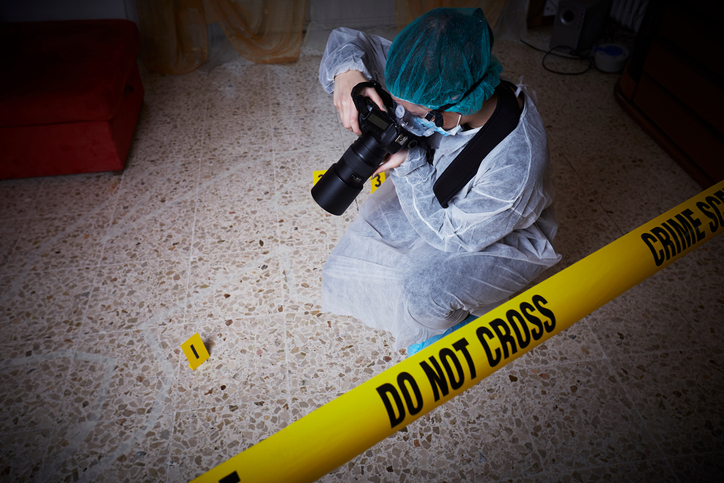
Introduction to Crime Scene Photography
Crime scene photography, a pivotal component of forensic investigations, serves to document scenes meticulously, preserving them for analysis and courtroom presentation. Its evolution mirrors advancements in technology and shifts in investigative methodologies, reflecting a continuous quest for accuracy and reliability in criminal justice.
The Genesis: Early Forensic Photography
The inception of forensic photography dates back to the mid-19th century. In 1864, German investigator Hans Gross advocated for the use of photography in criminal investigations, recognizing its potential to capture crime scenes and evidence objectively. This period saw photographers experimenting with rudimentary equipment to document prisoners and crime scenes, laying the groundwork for systematic forensic imaging.
Alphonse Bertillon and the Standardization of Mug Shots
A significant leap occurred in the late 19th century with French criminologist Alphonse Bertillon's introduction of the "Bertillon System." This method combined physical measurements with standardized photographic portraits, known as mug shots, to identify and catalog criminals. Bertillon's approach emphasized uniformity in photographic documentation, ensuring consistent and reliable records for law enforcement.
Advancements in Photographic Techniques Unlock the full case narrative for , all available source links, additional videos, and member discussions.
As the 20th century progressed, photographic technology advanced, enhancing crime scene documentation. The transition from glass plate negatives to roll film allowed for more practical and widespread use. Investigators began employing various techniques, such as utilizing different lighting conditions and angles, to capture comprehensive images of crime scenes. These innovations improved the clarity and detail of photographs, aiding in more accurate analyses.
MEMBER ACCESS
Continue reading the complete case summary
Cancel anytime.
Already a member? Log in

February 24, 2025, 03:41
Comments:
0
February 19, 2025, 18:24
Comments:
0

April 10, 2025, 17:22
Comments:
0
April 11, 2025, 13:08
Comments:
0

April 28, 2025, 00:23
Comments:
0
February 22, 2025, 17:31
Comments:
0

March 10, 2025, 03:18
Comments:
0

April 28, 2025, 02:29
Comments:
0
April 12, 2025, 03:51
Comments:
0

July 7, 2025, 03:18
Comments:
0
LM
on Vanished Without a Trace: The Unsolved Disappearance of Silvia Menendez in Downtown Los Angeles
Silvia es mi hermana. Si en algún momento tu encuentras este post. Quiero que sepas que te busco, necesito saber que estás bien, segura y a salvo, yo estoy sufrurndo mucho con esta incertidumbre al no saber nada de ti y prnsar que puedas no estar bien.
July 3, 2026, 06:44
LM
on Vanished Without a Trace: The Unsolved Disappearance of Silvia Menendez in Downtown Los Angeles
She is my sister, and I am trying to locate her.
April 30, 2026, 04:53
HC
on Vanished Without a Trace: The Disappearance of Saidy Yolibeth Chirinos in Falfurrias, Texas
Te Xtraño muchooo mi lokitha bella te llevo presente cada día que Dios me presta de vida💔😪
January 31, 2026, 10:14
OT
on Vanished at Sea: The Mysterious Disappearance of Cameron Booth Off Chincoteague's Coast
He was a criminal, an abuser, likely who didn't want to face justice of his actions and took his own life because he could not face the consequences of what he did. The victims have told the family his crimes, with evidence. The family knows he was arrested and convicted of possession of CSAM. They know who and what he was. And they're all so equally sick they live in comfort that the victims don't want to retraumatize themselves over everything he put them through. Dont support this families sick parade of using a monster to get sympathy. He was never ashamed of who he was. He loudly boasted his crimes and justified them. The family shouldn't sit there and pretend, how far from reality are they to sit and post this man publicly on news outlets, websites, knowing who he is. Do they need attention that badly? They don't want the attention from the truth. The victims will never get justice. Do not pray for him o
January 22, 2026, 22:01