

Murder Victim Database: Search NamUs, ViCAP, and Community Leads
Start with NamUs, the FBI’s Supplementary Homicide Reports (reached through EZASHR), and ViCAP. Together they cover public case profiles, decades of victim-level statistics, and active public appeals. Detailed investigative files are usually restricted, and research datasets are often anonymized. When public records run thin, follow research-access or family-vetting routes, or consider a Crime Solvers Central membership for deeper access.
TL;DR:
- Use EZASHR for victim demographics, relationships, and weapon patterns across more than 30 years; it cannot retrieve an individual’s investigative file.
- Public records omit sensitive evidence and identifying details; ask the investigating agency about family or research access, which may require confidentiality agreements.
- Search NamUs using spelling variations and a wide date range, then log results and reference numbers before checking FBI appeal pages for tip contacts.
- FOIA requests may face legal exemptions and variable timelines, while identifiable research data generally requires approval; expect public summaries before detailed files.
Table of Contents
- Which national databases should you search first?
- Why can’t you just read the full case file online?
- How do you search for a murder victim, step by step?
- How long does it take, and what will you get?
- Why do community resources matter alongside official databases?
- What does a Crime Solvers Central membership give you?
- FAQ
- Sources
Which national databases should you search first?
No single national database holds every murder victim’s full case file. Instead, three official resources each serve a different need.
NamUs is administered by the National Institute of Justice. It is the only U.S. national database for missing, unidentified, and unclaimed persons that allows limited public access. Families and the public can enter and track cases, and entries are vetted by the investigating agency before they go public.
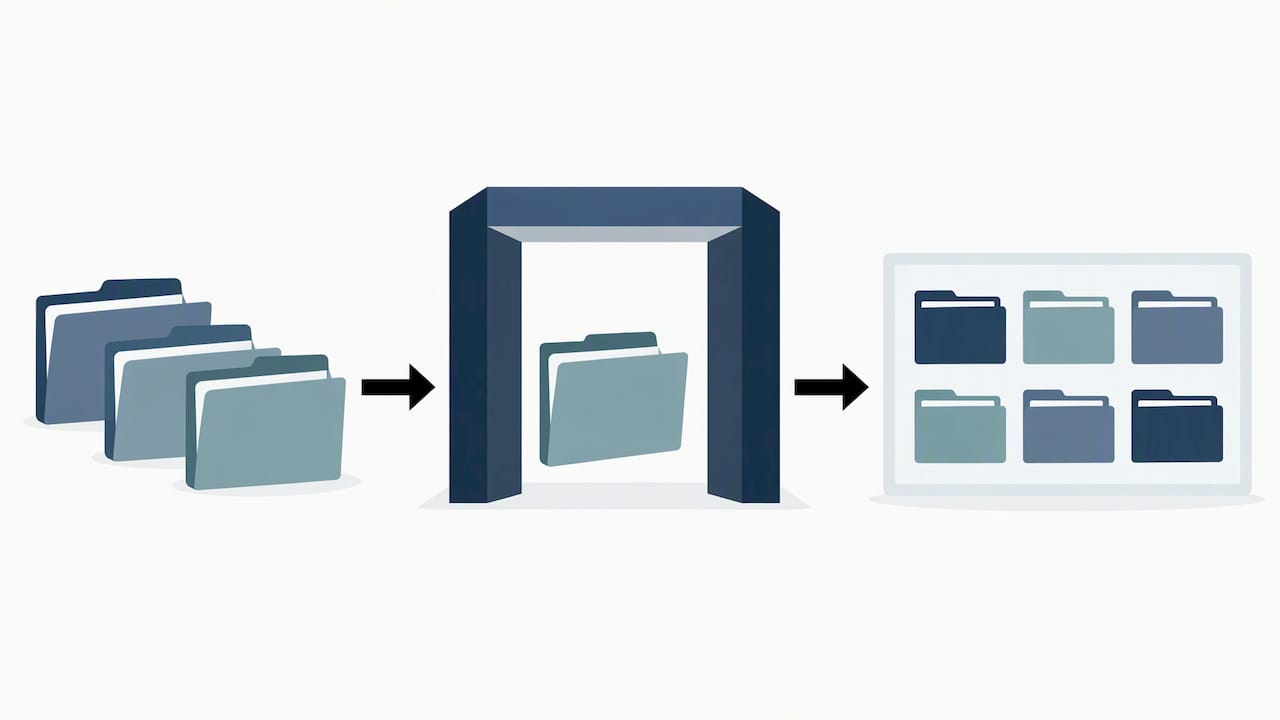
EZASHR gives you the FBI’s Supplementary Homicide Reports in a research-friendly format. It is built for statistical analysis, not for pulling a named person’s investigative file. You can break down victim demographics, victim-offender relationships, and weapon types at the national or state level.
ViCAP, the FBI’s Violent Criminal Apprehension Program, publishes public victim pages and case images to support active investigations. The FBI also posts seeking-information pages with posters, rewards, and instructions for sending tips to field offices.
Here is how to choose:
- You have a name and want a case profile: search NamUs first.
- You need demographic or incident patterns: use EZASHR.
- You want to see active appeals or submit a tip: check ViCAP and the FBI pages.
- You are comparing several cases: combine all three, then cross-check dates and locations.
Data point: EZASHR covers more than 30 years of victim-level data, so it works for historical trends but not for individual file retrieval.
Why can’t you just read the full case file online?
Public datasets and law enforcement case files serve different purposes. Statistical or research datasets exist to measure patterns, so they often strip out identifiers. Investigative and criminal history records exist to build and prosecute cases, so access is tightly controlled.
The Bureau of Justice Statistics explains that criminal history records are protected under 28 CFR Part 20. That rule restricts how nonconviction data can be shared, and it requires user agreements and security measures when information is released for research. Researchers and sometimes families can gain access, but only by signing confidentiality and security terms.
Ethical guidance points the same direction. Forensic research guidance calls for anonymizing data, releasing minimal necessary fields, and vetting researchers under IRB and confidentiality safeguards, all to protect victim privacy.
In practice, public records usually leave out:
- Sensitive forensic evidence
- Family contact information
- Full identifying details of suspects or witnesses
Pro Tip: If a public record seems thin, that is usually deliberate privacy protection, so ask the investigating agency which parts you may request instead of assuming the case is empty.
How do you search for a murder victim, step by step?
A methodical approach saves hours. Work through these steps in order.
- Prepare your identifiers. Gather name spellings, nicknames, approximate dates, and locations.
- Search NamUs. Check public case listings and review which fields are visible. Our NamUs search walkthrough covers what to look for.
- Use EZASHR for statistical context. Filter by year, state, victim age, sex, and weapon to see how a case fits broader patterns.
- Check ViCAP and FBI pages. Look for posters, reward details, and tip contacts.
- Escalate when public data runs out. Request research access, sign any required agreements, consider a FOIA request where appropriate, and contact the investigating agency directly.
A few habits make every step work better:
- Try every spelling variation and a wide date window.
- Keep a log of each search, result, and reference number.
- Save agency names and contact details as you find them.
- Read our guide to missing persons databases if the person’s status is unclear.
For faster triage, see how to search cold cases with advanced filters and FOIA.
How long does it take, and what will you get?
Public database searches may be available to browse, but access and costs can vary. Anything beyond that takes patience.
- Agency vetting and research-access approvals can take varying amounts of time, depending on the agency and the completeness of your request.
- FOIA requests can help but come with legal exemptions and their own timelines.
- Restricted files may be limited to vetted researchers or family members who sign confidentiality agreements.
- Likely outcomes range from public summaries, to anonymized microdata for research, to more detailed files under strict controls.
Key fact: The Bureau of Justice Statistics makes aggregated data public but limits identifiable microdata to approved researchers under strict confidentiality protections, so expect summaries first and detail only after approval.
Why do community resources matter alongside official databases?
Official databases are authoritative but fragmented. Investigative files are held by law enforcement agencies, and public databases do not provide a single source for every case. That gap is why we offer a searchable national database of cases organized by state and type, and why we encourage families and volunteers to work together.
Official records tell you what is known. Community attention can surface what has been forgotten. Share responsibly: protect victims’ privacy and follow agency guidance before posting details.
Combining official public sources with community tips can bring new leads to investigators, and our safe-participation guide explains how to do it without compromising a case.
— Crime
What does a Crime Solvers Central membership give you?
We maintain a searchable database of cases. Public summaries are available to browse, and membership provides access to additional features. Check the plan details to see what is included. You can explore the cold case database by state and compare membership plans, starting with Jr. Detective at $3.97 per month or $39 per year.
Membership makes sense when you need:
- Case information and supporting resources in one place
- Tools for organizing case information and creating flyers
- Opportunities to connect with families and volunteers
Ready to go deeper? Choose your plan and start searching today.
FAQ
Is there one national murder victim database I can search?
No. Public resources such as NamUs, EZASHR, and ViCAP each cover a different slice, and detailed investigative files stay with the investigating agencies. Searching all three gives you the most complete public picture.
Can I find a murder victim’s name in EZASHR?
Generally no. EZASHR is designed for customized, anonymized statistical analysis of victim demographics and incident characteristics. For a named case, start with NamUs or the FBI’s public pages.
How do I get more detail than public records show?
Contact the investigating agency and ask about family or research access pathways. You may need to sign confidentiality or user agreements, and a FOIA request can sometimes help depending on the case.
What do SHR files actually contain?
SHR files record details such as reporting agency, year, victim age, sex, and race, weapon used, and victim-offender relationship. The victim-based file holds one record per victim and is structured for research.
Can I submit a tip about a murder case?
Yes. NamUs and the FBI’s seeking-information pages accept tips, and public-facing databases that take leads can prompt new investigative attention. Send what you know to the contact listed on the case page.
Sources
- National Missing and Unidentified Persons System | National Institute of Justice
- Ojjdp
- ViCAP Homicides and Sexual Assaults — FBI
- Ethical Data Sharing in Forensic Research | Office of Justice Programs