

88,093 Active NCIC Records: Where to Find U.S. Missing Persons by State
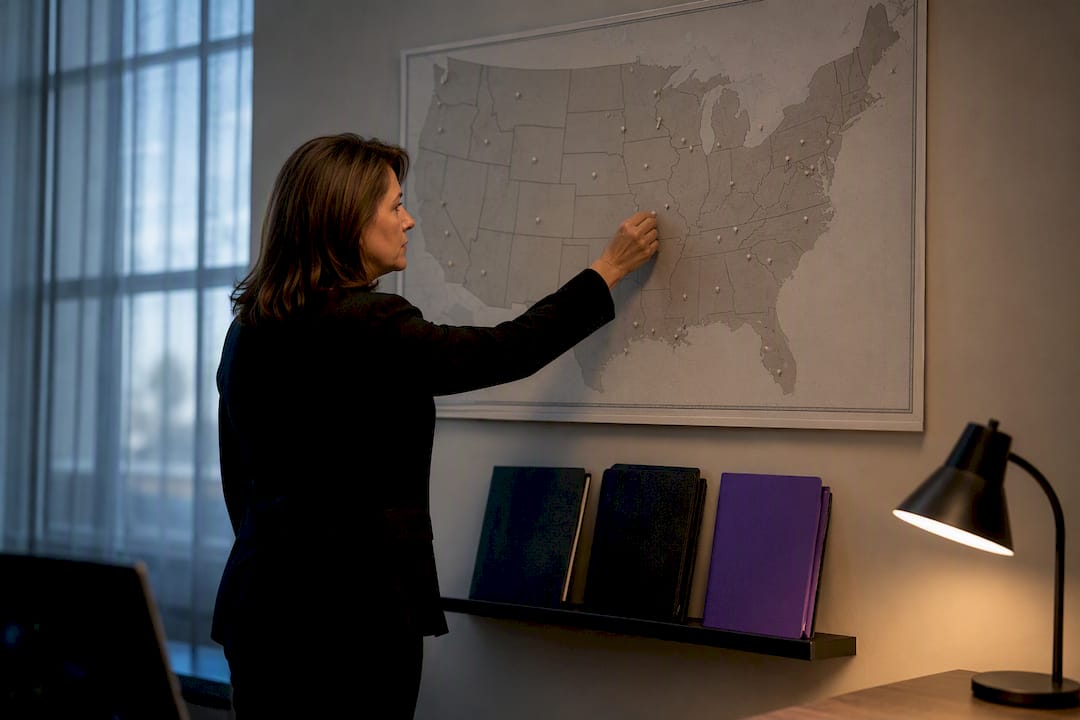
Two federal systems hold the real numbers on missing persons by state: NamUs, the national clearinghouse anyone can search, and the FBI’s NCIC, the law enforcement database that logged 88,093 active missing person records at the close of 2025. California, Texas, and Florida consistently post the largest raw case counts, though that ranking flips once you adjust for population.
TL;DR:
- Raw case counts favor large states like California, Texas, and Florida, but per-capita rates reveal that smaller states such as Alaska and New Mexico have higher missing persons ratios.
- Law enforcement participation levels influence the number of cases reported to NamUs, with more active reporting inflating a state’s counts without necessarily indicating a higher risk.
- About 24% of missing person records involve juveniles under 18, a consistent figure across most states, showing this is not a geographically isolated problem.
- Federal and state reporting laws, including immediate case entry requirements and tribal jurisdiction protocols, significantly shape how quickly and accurately cases are documented.
- Using public databases like NamUs and Crime Solvers Central effectively requires initial law enforcement reporting and federal database confirmation before leveraging state-specific data.
Table of Contents
- State-by-State Missing Persons Data: What the Numbers Actually Show
- How to Report a Missing Person and Get the Case Entered Correctly
- Where to Search Missing Person Cases by State
- How Crime Solvers Central’s Cold Case Database by State Fits In
- Who to Contact for State-Level Missing Persons Coordination
- State Laws and Protocols That Shape How Cases Get Handled
- Finding Family Support Networks in Your State
- A Publisher’s Perspective on Using State Data Well
- Sources
- FAQ
State-by-State Missing Persons Data: What the Numbers Actually Show
Raw counts favor big states. California, Texas, and Florida show up near the top of nearly every ranked list, largely because they have the most residents and the most law enforcement agencies feeding records into the system. That’s not the same as saying those states have the worst missing-persons problem per capita.
NamUs publishes state-level breakdowns in its periodic case reports, sorting active cases by missing, unidentified, and unclaimed status for every state. Cross-reference those tables against a rate calculation (cases per 100,000 residents) and the picture changes. A state like Alaska or New Mexico can post a modest total case count yet rank far higher on a per-capita basis than California ever does.
Here’s the breakdown of what typically drives a state’s position on these lists:
- Population size. More residents generally mean more absolute cases, independent of any actual safety trend.
- Reporting culture. States and cities with strong law enforcement liaison programs enter cases into NamUs more consistently, which can inflate a state’s count relative to a neighbor that under-reports.
- Database purges. NCIC purges resolved or stale cases regularly. The FBI’s 2025 statistics show 503,409 records purged that year alone, which means a state’s “active” number is really a snapshot, not a running total.
- Tribal and jurisdictional overlap. Cases on tribal land sometimes get logged by tribal police, county sheriffs, and the FBI simultaneously, which can double-count or under-count depending on how the data gets reconciled.
Public aggregators like WorldPopulationReview compile these figures into single, ranked tables, which is genuinely useful for a fast comparison. Just know the underlying data still comes from NamUs and NCIC. Treat the aggregator as a lens, not a primary source.
Statistic to remember: Juveniles under 18 made up 24% of all active NCIC missing-person records as of the end of 2025. That share holds up across most states, which tells you this isn’t a problem concentrated in one age group or one region.
How to Report a Missing Person and Get the Case Entered Correctly
Call 911 or your local police department first if a disappearance involves a child, a person with a medical condition, or any sign of foul play; for more detailed guidance on immediate steps, see What To Do When Loved One Arrested. For adults who left voluntarily but haven’t been heard from, contact local law enforcement anyway. There’s no waiting period requirement in most jurisdictions, and Department of Justice guidance is explicit that delaying a report only makes the case harder to work.
When you call, have this ready:
- A recent, clear photo, ideally within the last year.
- Full physical description: height, weight, scars, tattoos, and what they were last seen wearing.
- Last known location and the people they were with.
- Any medical, mental health, or behavioral health information that could affect how they’re found or how they’ll respond to contact.
- Phone records, social media handles, and financial account access, since agencies often use these to trace recent activity.
Ask the officer directly whether the case will be entered into NCIC. This is a police-only action. Families cannot enter someone into NCIC themselves, but you can submit information directly to NamUs as a family member, which creates a public-facing record even before or alongside the police report.
If the disappearance crosses state lines, involves tribal land, or the person may have been trafficked, ask local investigators when the FBI gets looped in. Interstate cases and tribal jurisdiction cases often need federal coordination that a single local department can’t handle alone. The Missing Person Tips guide walks through additional dos and don’ts for that first 48 hours.
Pro Tip: Before submitting anything to NamUs, search the existing database first. Duplicate entries for the same person complicate matching efforts and can slow down forensic comparisons later.
Where to Search Missing Person Cases by State
NamUs is the most complete public search tool available, and its state filter is where most researchers should start. Search by state, then narrow by case type (missing, unidentified, or unclaimed), date range, and demographic details like age or sex. The step-by-step NamUs search guide covers which filters actually return useful results versus which ones are too broad to be worth using.
A few practical notes on the major sources:
- NamUs relies on voluntary entry by law enforcement, medical examiners, coroners, and families, so it skews toward agencies that actively participate. Some states are simply better represented than others.
- NCIC/FBI extracts are harder for the public to access directly since NCIC is a law enforcement system, but the FBI publishes annual summary statistics PDFs that break down national and category-level totals.
- WorldPopulationReview and similar aggregators are fine for a quick ranked snapshot, but always click through to the original NamUs or FBI report before citing a specific number in research or advocacy work.
The Official Missing Persons Database Guide is a good companion resource if you’re new to navigating public case databases and want a broader orientation before diving into state-specific filters.
How Crime Solvers Central’s Cold Case Database by State Fits In
The platform organizes a large database of cases by state and situation, covering missing persons, unsolved homicides, and unidentified or unclaimed remains. It’s built for the research and advocacy work that happens after a case is already filed with police and logged in NamUs, not as a replacement for either one.
The platform offers access to full case profiles, forums, digital evidence boards, a flyer builder, and AI image tools that help visualize how someone might look years after they went missing. Volunteers use the platform to coordinate searches and safety initiatives, and some community features have helped reconnect families with information or with each other.
The workflow that makes sense: file the police report, confirm the case is in NCIC, submit to NamUs if it isn’t already there, then use Crimesolverscentral’s database to track the case publicly and connect with others working similar leads.
Who to Contact for State-Level Missing Persons Coordination
Every state has a designated missing persons clearinghouse, usually housed inside the state police, the attorney general’s office, or a dedicated state bureau of investigation. These offices coordinate between local departments, NamUs, and the FBI, and most maintain their own toll-free tip lines separate from 911.
Start with your state’s Attorney General website or state police homepage and search for “missing persons clearinghouse” or “missing persons unit.” Most states list a direct phone number and an email intake form for tips or updates on an open case. If a case involves a child, the National Center for Missing & Exploited Children works alongside state clearinghouses and has its own 24-hour hotline.
For cases involving tribal nations, contact the tribal police department directly, since jurisdiction often runs through tribal law enforcement first, with FBI involvement layered in for interstate or major crimes. States with significant tribal populations, including Arizona, New Mexico, and South Dakota, generally have dedicated liaison staff for this exact reason.
If you’re not sure which office covers your case, your local police department can point you to the right state contact. Coordinators exist specifically to keep local, state, and federal systems from working in isolation, and most respond faster to a specific case number than a general inquiry.
State Laws and Protocols That Shape How Cases Get Handled
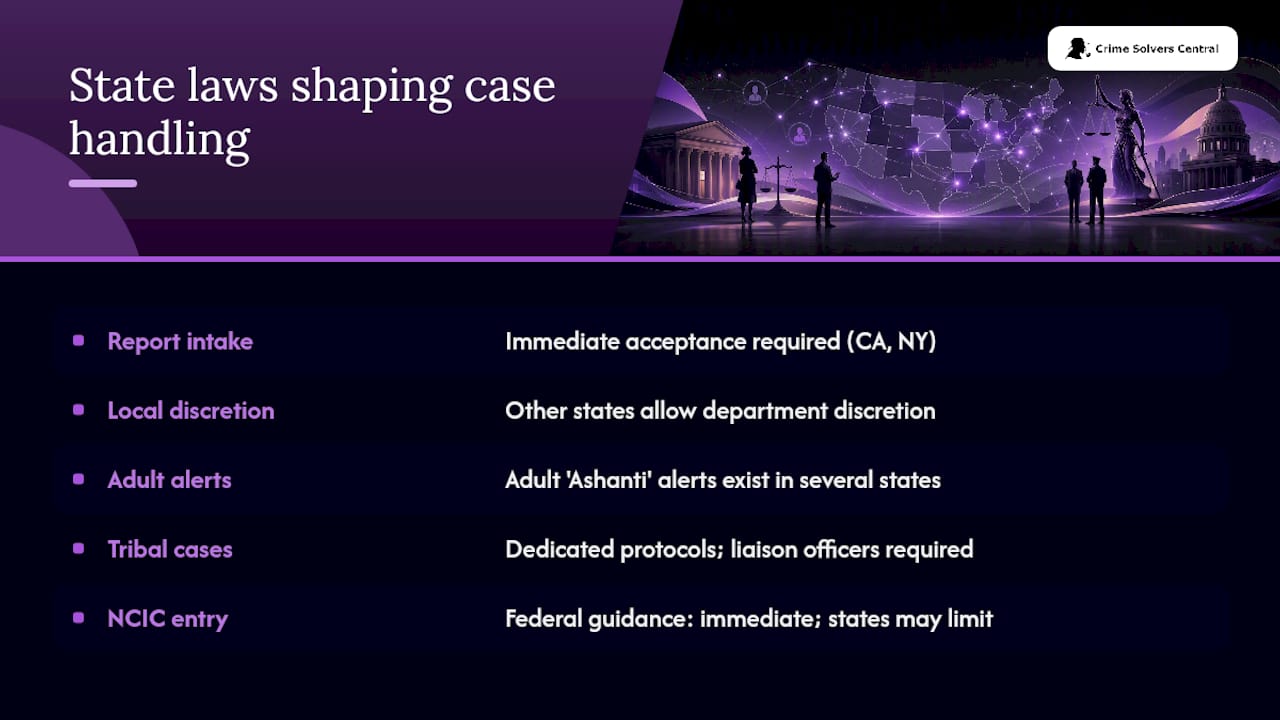
State legislation on missing persons varies more than most families expect. Some states, like California and New York, have passed specific statutes requiring law enforcement to accept a missing person report immediately, with no waiting period, regardless of the circumstances. Other states leave more discretion to individual departments, which is part of why reporting experiences vary so much depending on where you live.
A growing number of states have also passed dedicated legislation for specific populations. “Ashanti Alerts” and similar state-level alert systems, modeled after Amber Alerts but designed for missing adults, particularly people of color and people with disabilities, now exist in several states after gaps in the original Amber Alert criteria left many adult cases without a rapid public notification tool.
Tribal jurisdictions have their own layer of protocol, and several states have passed laws in recent years specifically addressing the disproportionate number of missing and murdered Indigenous women and girls, often requiring state police to designate liaison officers for tribal cases and improve data sharing with tribal authorities.
Protocols also govern how quickly a case gets entered into NCIC. Federal guidance recommends immediate entry once a report is confirmed, but individual state statutes sometimes set their own timelines or documentation requirements. If you believe your local department is slow to act, ask specifically which state statute governs report intake in your area. That question alone often speeds things up.
Finding Family Support Networks in Your State
Grief and uncertainty around a missing loved one don’t resolve on their own timeline, and most states have at least one organization built specifically around that reality. State-level victim advocacy offices, often housed within the attorney general’s office, typically maintain lists of local support groups, counseling resources, and case management assistance for families of missing persons.
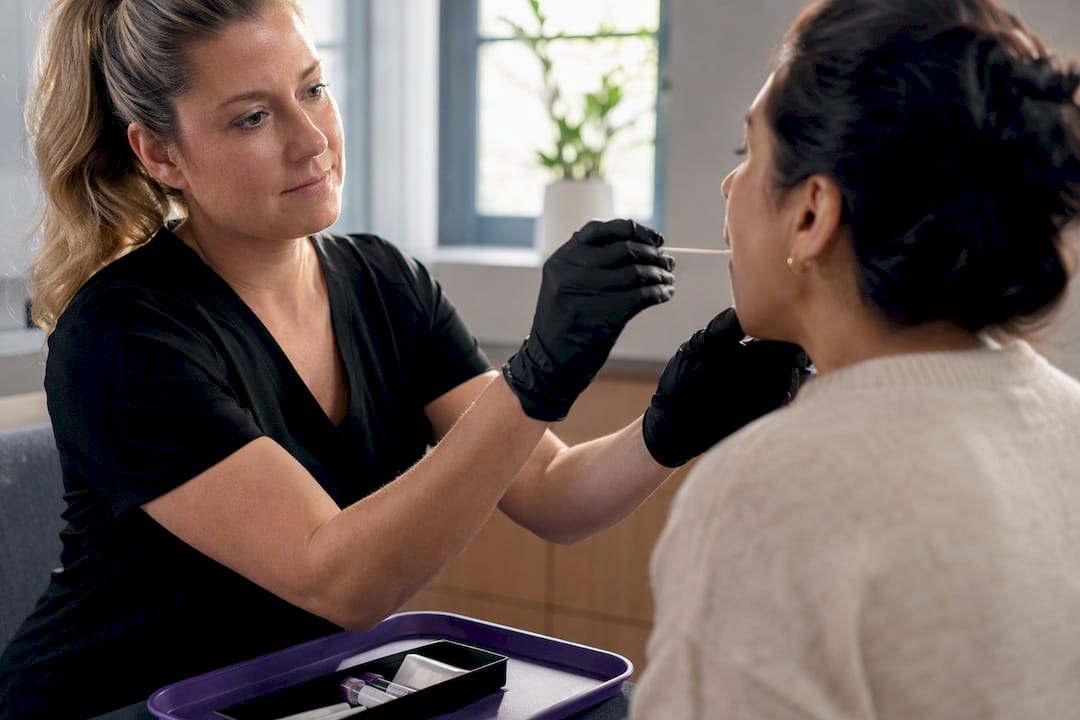
National organizations like the NamUs family services team offer free forensic support, including DNA collection and Missing Persons Day events where families can submit reference samples in person. These events rotate through different states throughout the year, and NamUs staff can tell you when one is scheduled near you.
Local victim assistance programs, often connected to district attorney offices, provide another layer of support that’s easy to overlook. Many offer free counseling, help navigating financial hardship tied to an open case, and assistance filling out the paperwork that state and federal systems require.
Community-driven platforms add a different kind of support: peer connection with people who understand the specific weight of an unresolved case. Crimesolverscentral’s forums bring together families across states who are navigating similar circumstances, alongside volunteers and researchers working the same cold case categories.
A Publisher’s Perspective on Using State Data Well
Searching a state list should be step two, not step one. File the police report, confirm NCIC entry, and submit to NamUs first. Only then does browsing a state database actually help, because you’re adding context to a case that’s already properly logged, not hoping a database search substitutes for it. The families who make the fastest progress treat public databases as a research and advocacy tool that runs parallel to law enforcement, never as a replacement for it. Combine that official first step with a platform built for ongoing visibility, and the odds of new information surfacing go up considerably.
— Crime
Sources
NamUs and NCIC will almost never agree on a state’s exact count, and that’s by design, not error. NamUs depends on voluntary submission, so a state with a smaller, active user base among law enforcement agencies will show fewer cases even if its actual missing-persons rate is higher. NCIC, by contrast, holds records entered directly by police, and it churns constantly. Purges, resolved cases, and archival steps mean a number pulled in January can look different by June.
A few terms matter here, and they get mixed up constantly:
- 2025 NCIC missing person and unidentified person statistics (FBI)
- What is NamUs? (NamUs / NIJ)
- Missing Persons by State 2026 (WorldPopulationReview)
When you cite a state figure, always note the source, the date the data was pulled, and whether the number reflects “open/active” or “resolved” cases. The gap between NCIC’s 88,093 active records and its 498,038 new entries during the same year shows exactly why a single snapshot number, without a date attached, tells you almost nothing on its own.
FAQ
Which State Has the Highest Rate of Missing People?
Raw case counts are highest in populous states like California, Texas, and Florida, but per-capita rate rankings often favor smaller states with fewer residents relative to their case totals. Check NamUs state reports for current figures since rankings shift with each reporting period.
What City Has the Highest Rate of Missing People?
City-level missing persons data isn’t consistently published at the national level the way state data is, since NamUs and NCIC report primarily by state and county. For city-specific numbers, contact that city’s police department or the state’s missing persons clearinghouse directly.
What State Has the Most Unsolved Disappearances?
States with the largest total case counts, including California, Texas, and Florida, tend to also carry the highest number of unsolved or open disappearances simply due to population size. NamUs case reports break this down by state and case status for a more precise comparison.
Which U.S. State Has the Most Missing Children?
Juveniles under 18 account for 24% of all active NCIC records nationally, and that share of the population tends to hold steady across most states rather than spiking dramatically in one location. States with larger overall populations naturally show higher juvenile case counts in absolute terms.