

How to Preserve Missing Person Evidence at Home
Preserving missing person evidence at home is defined as the immediate act of securing a person’s living space, belongings, and digital devices to prevent contamination before law enforcement arrives. Every hour after a disappearance is discovered, trace evidence degrades, surveillance footage gets overwritten, and physical clues shift. The steps families take in those first hours directly shape what investigators can work with. This guide follows 2026 investigation protocols and forensic standards to give you a clear, practical path forward.
What does it mean to preserve missing person evidence at home?
Preserving evidence in missing person cases means treating the home as a potential crime scene from the moment someone is reported missing. The line between a missing person case and a crime scene is fluid, which means strict preservation protocols apply from the very start. Waiting to see how things develop is one of the most damaging decisions a family can make.
Forensic investigators rely on trace evidence, biological material, and digital data to reconstruct what happened. Each of these evidence types has a short window of viability. Surveillance footage can be overwritten within hours or days, making immediate reporting and scene control non-negotiable. Crimesolverscentral, which catalogs over 264,913 cases nationwide, consistently sees how early preservation decisions affect whether cases move forward or stall.
What immediate steps should you take to secure the home?
The first action is to stop all normal household activity in the missing person’s living areas. Do not clean, tidy, vacuum, or move anything. Every surface, piece of clothing, and personal item is a potential evidence source.
Follow these steps in order:
- Restrict access immediately. Allow only essential people into the missing person’s bedroom, bathroom, and personal spaces. Each additional person who enters risks depositing foreign hair, fiber, or fingerprints.
- Log every entry. Write down the name, time of entry, and reason for every person who enters the space. Law enforcement will ask for this record.
- Do not touch weapons or unusual objects. Touching or moving items destroys DNA and fingerprint evidence that forensic technicians need intact.
- Leave doors and windows as found. If a window was open or a door was unlocked, leave it that way. Position tells investigators a story.
- Keep pets out of the area. Animals disturb scent trails and can move or chew on items that carry biological evidence.
The goal is to keep the scene frozen in time. Any movement introduces foreign contaminants that can make evidence inadmissible in court. Even well-meaning tidying has derailed investigations.
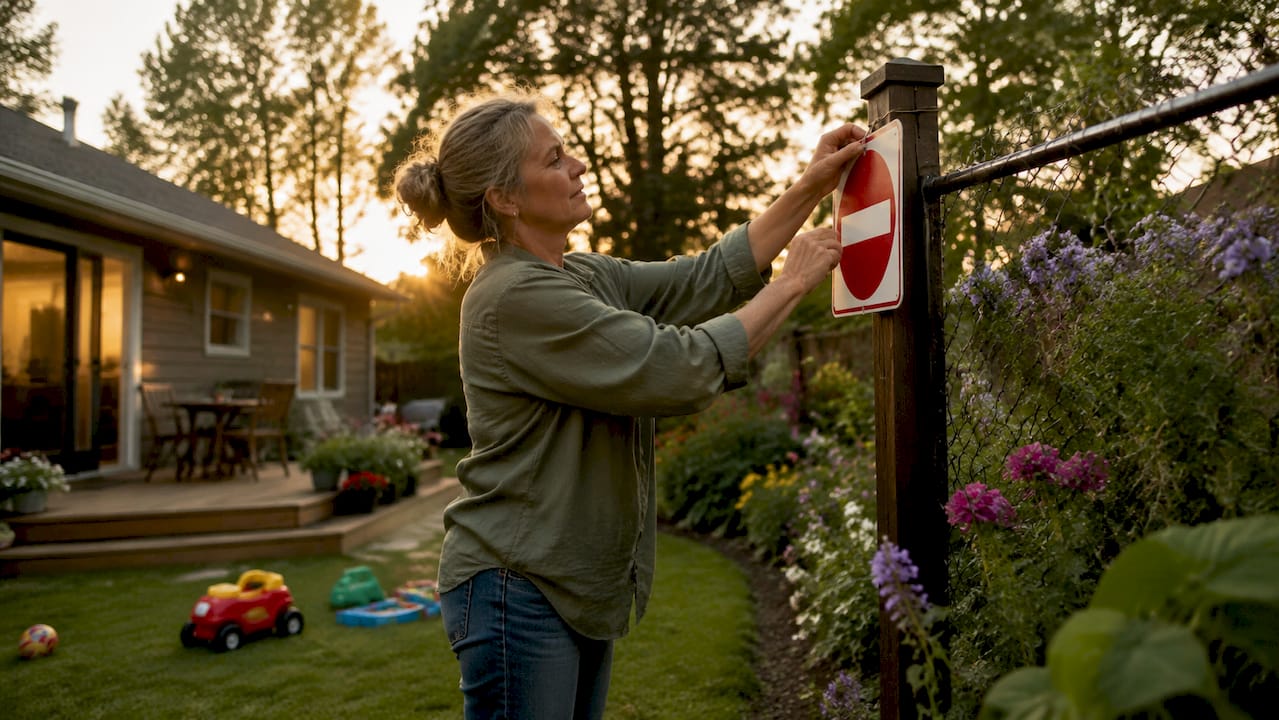
Pro Tip: Place a simple sign on the door of the missing person’s room that reads “Do not enter.” This prevents accidental contamination by other household members or visitors who may not understand the stakes.
Which personal items should you preserve for investigators?
Physical belongings carry biological and trace evidence that forensic labs can analyze for identification and reconstruction. The most valuable items are those the missing person used regularly and recently.
Preserve the following without touching, washing, or moving them:
- Toothbrush and hairbrush. Biological samples from personal items are required within the first 30 days to support forensic DNA identification. These are the most reliable sources.
- Unwashed clothing and bed linens. Fabric holds skin cells, hair, and fiber evidence. Do not launder anything.
- Phones, laptops, and tablets. Leave devices powered on if possible. Unauthorized unlocking attempts can trigger auto-wipe or encryption lockouts that permanently destroy data.
- Personal papers and mail. Recent correspondence, receipts, and notes can establish timelines and contacts.
- Medications and medical devices. These confirm health status and can help identify the person if found unresponsive.
Gather recent photographs separately. A clear, filter-free photo taken within 180 days meets forensic documentation standards and aids identification. Group shots or heavily edited images are not acceptable for investigative use.
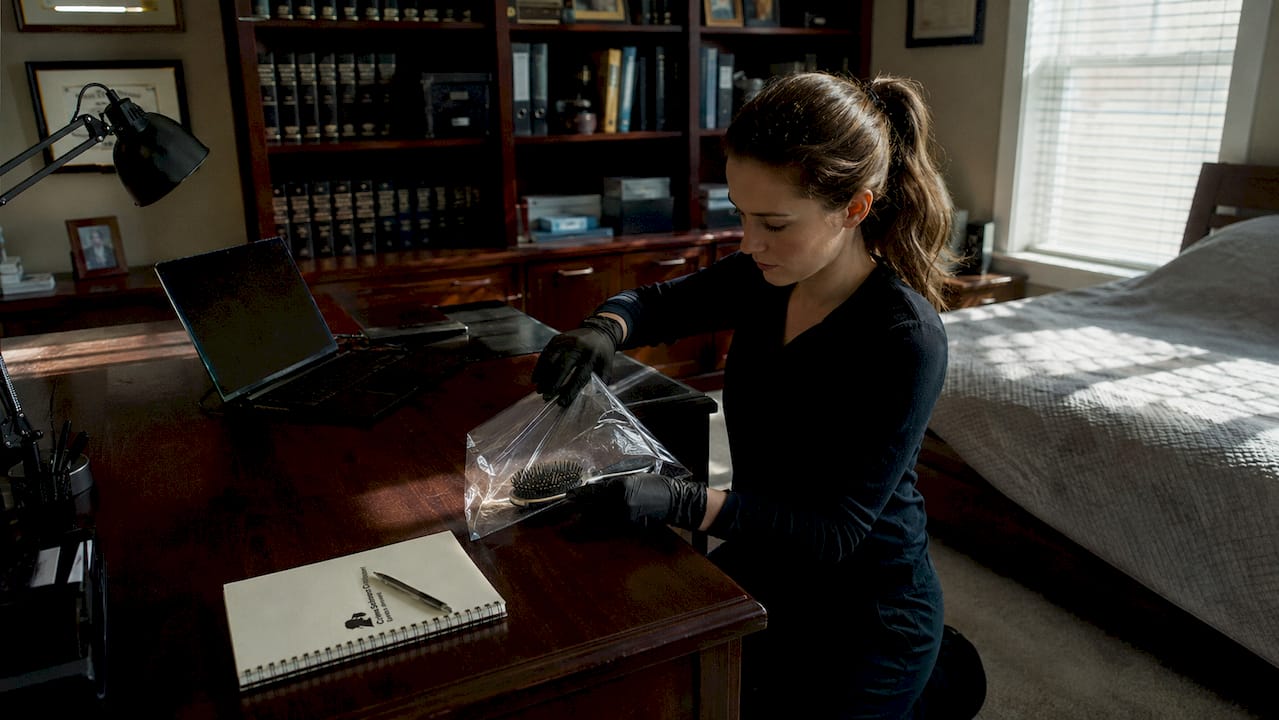
Pro Tip: Place a clean, unused plastic bag over a hairbrush or toothbrush without touching the bristles. This protects the biological material from airborne contamination while keeping it accessible for police.
The role of DNA in investigations cannot be overstated. Cases that go cold often do so because biological samples were compromised or never collected in the first place.
How should you document and organize evidence for investigators?
Documentation is the second pillar of effective evidence preservation. A well-organized record helps investigators move faster and reduces the chance that critical details are forgotten under stress.
Use this structure to organize your documentation:
- Create a written evidence log. List every item you are preserving, its location in the home, and its condition. Note the date and time you identified each item.
- Record last known details. Write down the clothing the missing person was last seen wearing, including colors, brands, and any distinctive features like tears or logos.
- Map the digital footprint carefully. Note which accounts and devices the person used, but do not log in or attempt to access them. Logging into shared accounts or erasing texts overwrites metadata and breaks chain of custody.
- Prepare a contact list. Write down names, phone numbers, and relationships of people the missing person interacted with recently, including coworkers, friends, and acquaintances.
| Documentation item | Why it matters |
|---|---|
| Last known clothing description | Helps law enforcement and the public identify the person |
| Recent photo (within 180 days) | Meets forensic identification standards |
| Digital account list (no access) | Allows investigators to obtain legal warrants quickly |
| Contact list of recent interactions | Establishes timeline and potential persons of interest |
| Evidence location log | Prevents items from being moved or lost before police arrive |
Families who prepare this documentation before police arrive give investigators a significant head start. Time spent organizing information at home is time saved during the critical early hours of an investigation.
What common mistakes can compromise evidence at home?
Families act out of grief, urgency, or a desire to help. Those instincts, while understandable, often cause the most damage to an investigation.
Avoid these mistakes without exception:
- Cleaning or tidying the scene. Vacuuming, wiping surfaces, or doing laundry removes trace DNA, fiber, and fingerprint evidence permanently.
- Accessing digital devices. Attempting to read messages or check location history on a phone or laptop can overwrite metadata and trigger security lockouts. Digital evidence is highly volatile and requires trained forensic handling.
- Allowing uncontrolled visitors. Friends and extended family who come to support you may unknowingly contaminate the scene. Limit access strictly.
- Discarding personal items. Do not throw away anything the missing person owned, including trash from their room or car.
- Washing clothing or linens. Even items that seem unrelated to the disappearance may carry biological evidence.
“Even tidying up can render evidence inadmissible.” This principle, drawn from forensic crime scene investigation standards, applies directly to missing person cases at home. The scene does not need to look like a crime scene for it to function as one.
Families who learn about common mistakes in missing persons searches before they happen are far better positioned to protect the investigation from the start.
How should you cooperate with law enforcement during evidence collection?
Law enforcement is your partner in this process, not an obstacle. Your role is to support investigators by providing full access and complete information without directing or interfering with their work.
Treating the home as a controlled scene from the outset gives investigators the highest probability of reconstructing events accurately. When police arrive, hand over your written documentation immediately. Offer consent for digital data access in writing so investigators can obtain warrants or subpoenas without delay.
Follow every instruction law enforcement gives about restricting access to the home. If officers ask you to leave a room or stop handling an item, comply immediately. Their requests protect the legal integrity of the evidence, which directly affects whether charges can be filed later.
Maintain open communication with the assigned detective or case officer. Report any new information, no matter how small it seems. A receipt found in a coat pocket or a text notification on a locked screen can shift the direction of an investigation.
Pro Tip: Keep a dedicated notebook for your communications with law enforcement. Write down the name, badge number, and contact information of every officer you speak with, along with the date and what was discussed. This record protects you and keeps the investigation organized.
Why early preservation is the decision that defines the case
Families in crisis face an almost impossible emotional burden. The instinct to search, clean, call everyone, and take control is natural. But the hardest and most important thing to do in those first hours is to stop and protect the space.
I have seen cases where a family member washed a missing person’s jacket because they wanted to feel close to them. That jacket likely held the last trace DNA from an encounter that could have identified a suspect. The evidence was gone before investigators ever arrived. That kind of loss is permanent.
The families who preserve the scene, document everything, and hand investigators a clean, untouched environment give their loved one the best possible chance at justice. Grief and action are not the same thing. Protecting the evidence is the most powerful action you can take.
Crimesolverscentral exists because too many cases go cold due to early missteps. The platform’s database of over 264,913 cases shows how often the difference between a solved and unsolved case comes down to what happened in the first 24 hours at home. Families deserve to know that their careful actions matter. They do.
— Crime
How Crimesolverscentral supports families in missing persons cases
Crimesolverscentral gives families a place to act when the investigation feels out of their hands. The platform’s cold case database by state catalogs over 264,913 missing persons and unsolved homicide cases, organized by location and situation for easy access. Families can search for related cases, share information, and connect with community members who may have relevant knowledge. Crimesolverscentral also supports law enforcement by making case data publicly accessible, which can surface new leads years after a disappearance. If your loved one’s case is open or has gone cold, adding it to the database and engaging with the community can keep it visible and moving forward.
FAQ
What should I do first when I realize someone is missing?
Report the disappearance to law enforcement immediately. There is no waiting period required, and early reporting secures time-sensitive evidence like surveillance footage before it is overwritten.
Can I look through the missing person’s phone for clues?
Do not attempt to access the device. Unauthorized unlocking can trigger auto-wipe features or encryption lockouts that permanently destroy data investigators need.
How do I preserve DNA evidence at home?
Leave personal items like toothbrushes, hairbrushes, and unwashed clothing exactly where they are. Biological samples must be collected within 30 days to meet forensic identification standards.
Should I let friends and family into the missing person’s room?
Restrict access to the missing person’s living space and log the name and time of anyone who does enter. Each additional person risks contaminating trace evidence.
What photo should I give to police?
Provide a clear, filter-free photo taken within the last 180 days. Group shots and heavily edited images do not meet forensic documentation standards for identification.
Key takeaways
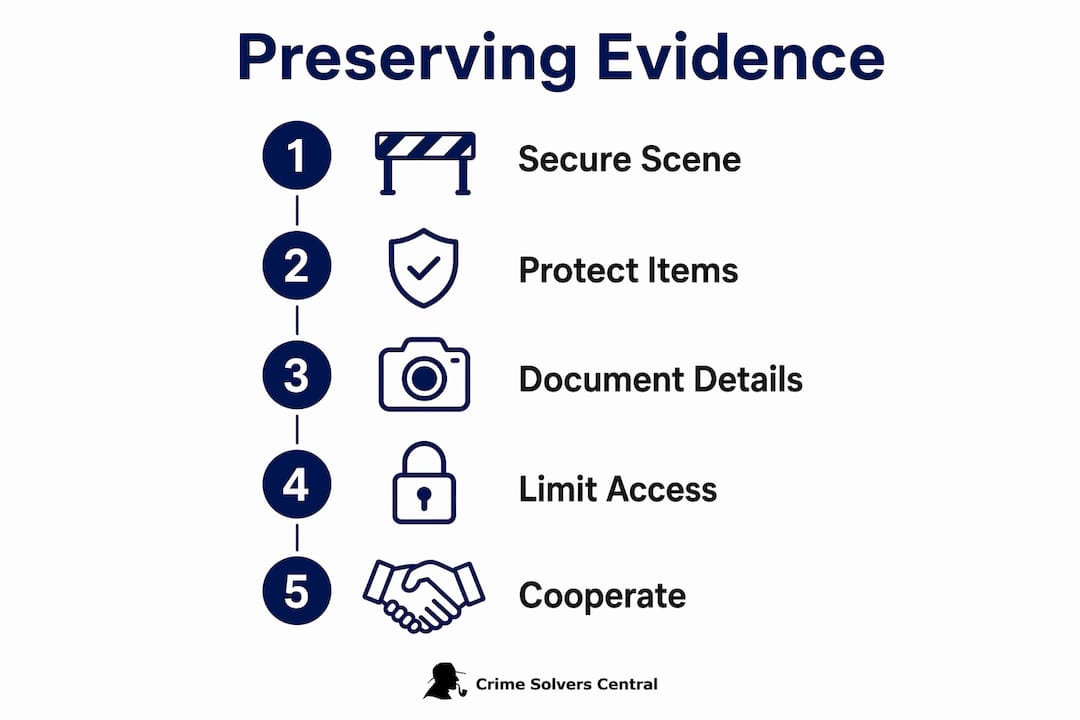
Preserving missing person evidence at home requires securing the scene, protecting physical and digital items, and documenting everything before law enforcement arrives.
| Point | Details |
|---|---|
| Freeze the scene immediately | Stop all cleaning, tidying, and movement in the missing person’s living areas right away. |
| Protect biological evidence | Leave toothbrushes, hairbrushes, and unwashed clothing untouched for DNA collection within 30 days. |
| Do not access digital devices | Unauthorized access can trigger auto-wipe or destroy metadata critical to the investigation. |
| Document everything in writing | Log evidence locations, last known clothing, contacts, and all communications with law enforcement. |
| Cooperate fully with police | Provide consent for digital access, follow all instructions, and hand over your documentation immediately. |