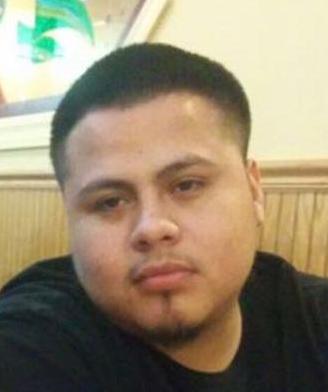
Samuel Baez, aged 45, was killed on April 20, 2007, in Chicago, Illinois. His homicide was one of the many violent incidents during a year that saw Chicago struggling with high levels of gun violence and crime, particularly in neighborhoods experiencing systemic socio-economic challenges. His death occurred during a period when the city was grappling with an alarming rate of homicides, which continued to highlight the need for increased public safety measures and community intervention.
The incident involving Samuel Baez was indicative of the violence that predominantly affected Chicago's most vulnerable communities, where homicides were frequently attributed to neighborhood disputes, gang activities, or random violence. Chicago's West and South sides, in particular, were often sites of such tragic incidents, reflecting long-standing issues related to poverty, limited social services, and concentrated crime hotspots. Samuel's death left family, friends, and community members in mourning, with many left questioning how such violence could be addressed to prevent future tragedies.
Efforts by the city, including law enforcement initiatives and community programs, aimed to curb the violence but struggled to make a significant impact. Many of these homicides, including that of Samuel Baez, became symbolic of the need for systemic change. A comprehensive approach combining law enforcement, community support, mental health services, and youth outreach programs was increasingly recognized as essential in addressing the root causes of violence and reducing the city's homicide rates.