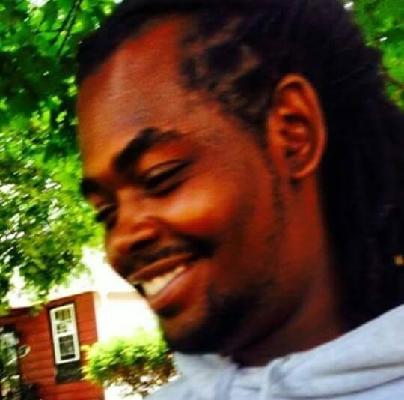
On September 30, 2007, Leonard Black, a 44-year-old resident of Chicago, Illinois, was fatally shot, becoming yet another victim of the city's ongoing struggle with gun violence. This incident occurred during a year when Chicago faced a significant number of homicides, with over 400 recorded cases throughout the year. Leonard’s death added to the growing list of fatalities that underscored the city's challenges in combating violent crime and ensuring public safety.
The details of Leonard Black's homicide reveal that he was shot multiple times in a public space. The neighborhood where the incident took place had experienced similar cases of violence, highlighting the broader issues affecting many parts of Chicago during this period. These violent episodes often had links to gang activities, economic struggles, and a lack of resources for community members, which contributed to a volatile environment. Leonard’s death reflected not only personal tragedy but also the collective difficulties faced by communities dealing with inadequate safety measures and systemic inequities.
The Chicago Police Department’s records for 2007 reflect that many victims of homicide were young and middle-aged men, predominantly from socio-economically disadvantaged areas. Efforts by law enforcement to control the spike in violent crime had mixed results, with the homicide rate remaining high and public trust in law enforcement institutions strained. The loss of Leonard Black is a stark reminder of the impact of gun violence on individual families and the larger community, illustrating the critical need for targeted interventions and increased support for Chicago's vulnerable populations.