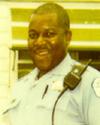
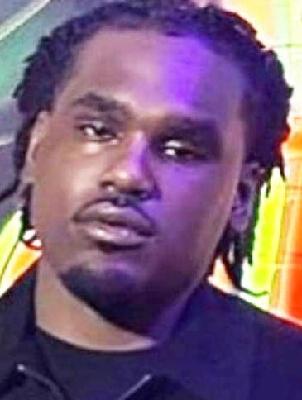
Henry Garcia, a 27-year-old resident of Chicago, Illinois, was killed on May 6, 2008, in an incident that highlights the ongoing issues of gang violence and retaliation in the area. Garcia, who had formerly been associated with the Latin Kings gang, became the victim of a shooting that occurred while he was at home. The shooting appeared to be part of an ongoing feud involving various individuals connected to rival gang affiliations. Witness statements indicated that Garcia had previously had altercations with members of La Raza, a rival gang. These tensions ultimately culminated in the attack that led to his death.
On the day of the shooting, Garcia was at his residence when a red vehicle approached. Witness accounts varied on whether Garcia observed the vehicle from his front window or kitchen window, but it was clear that he recognized the vehicle as belonging to someone named "Tomato," who was later identified as the shooter. After the vehicle arrived, several shots were fired, striking Garcia. He managed to communicate to his mother, who was also in the house, that the person known as "Tomato" was responsible for the shooting. Later, Garcia's identification of the shooter was crucial to the investigation, even though there were inconsistencies in his statements regarding the exact location from which he viewed the incident.
Police reports and crime scene investigations pointed to multiple bullet holes and casings found at the scene. Officers documented significant damage from bullets both outside and inside the residence. The investigators concluded that the shooter fired from the street into Garcia's home, causing his injuries. Despite some inconsistencies in testimonies, Garcia's identification of the assailant remained a key element in the subsequent prosecution of the case. The defendant, later identified and apprehended, was ultimately convicted of aggravated battery with a firearm but was acquitted of attempted murder due to insufficient corroborating evidence. The trial underscored the challenges of witness credibility and the difficulties in obtaining consistent accounts in gang-related violence.
This incident reflects broader trends in gang-related homicides in Chicago, where such disputes often escalate into deadly violence. The neighborhood context, marked by historical gang rivalries and retaliatory attacks, contributed to the environment in which this tragedy occurred. The presence of conflicting accounts and the reluctance of witnesses, often due to fear of retaliation, further complicated the judicial process, demonstrating the complexities law enforcement faces in solving gang-related crimes in the city.