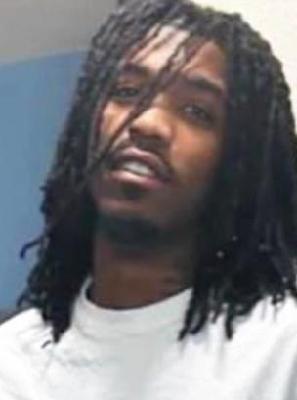
Marvin Manning, aged 30, was fatally shot on November 4, 2008, in Chicago, Illinois. The incident added to the alarming number of homicides recorded in Chicago that year, contributing to a growing concern over the persistent violence affecting the city. Chicago's West and South Side neighborhoods were particularly hard-hit by violence, and the killing of Manning took place amid a context of deep-rooted social issues and heightened crime rates, particularly in areas facing systemic poverty and
gang activity.
In 2008, Chicago witnessed 443 homicides, with a majority of victims being African American males—a reflection of the concentrated impact of violence on marginalized communities. Many of these cases, like Manning's, remained difficult to solve due to various factors including a lack of community cooperation, which was driven by mistrust of law enforcement and fear of retaliation. This environment often resulted in a low clearance rate for homicide cases, leaving families grieving without answers or justice.
The violence of 2008 was part of a broader trend that saw Chicago struggling to control gun-related deaths, with firearm violence playing a significant role in many of the homicides. Despite various community efforts and police interventions, the cycle of violence remained deeply entrenched, affecting the lives of numerous individuals like Marvin Manning and contributing to a legacy of trauma for families and communities across the city.