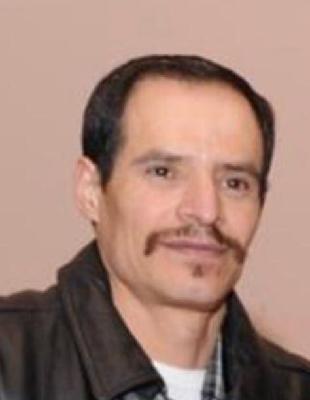
Theodore E. Thomas, an 18-year-old male, was fatally shot on July 19, 2011, in Chicago. The incident was part of a wave of violence that the city experienced during that year, with Chicago grappling with an increasing number of homicides. Thomas's death occurred in a neighborhood struggling with high crime rates, an issue that was part of a broader challenge faced by Chicago communities during this period.
2011 was marked by a concerning number of violent incidents in Chicago, with over 400 homicides recorded by the end of the year. The death of Theodore Thomas was one of many that highlighted the challenges related to gun violence, often fueled by gang disputes and socioeconomic hardships. In Chicago, neighborhoods with high poverty rates and limited access to opportunities were particularly vulnerable to such violent occurrences. These conditions continued to draw attention to the need for stronger community support systems, improved policing, and efforts to reduce the cycle of violence that impacted young people like Theodore.
The increase in homicides during 2011 sparked public debates around gun control, policing strategies, and community-based interventions to curb violence. Thomas's death represented the broader struggles faced by many Chicago residents, with numerous community leaders and local organizations advocating for solutions that addressed the root causes of violence, such as economic instability and lack of access to education and job opportunities. The tragic loss of young lives, like that of Theodore Thomas, was a call to action for more concerted efforts to promote public safety and community well-being across the city.