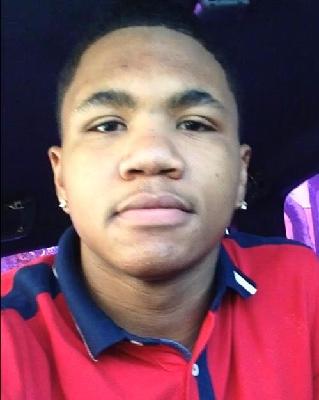
Phillip M. Cartledge, a 24-year-old male, was fatally shot on September 15, 2011, in Chicago, Illinois. The incident took place during a year when the city continued to struggle with a rising number of violent crimes. Cartledge was one of many victims of homicide in Chicago that year, where the city recorded over 430 homicides in total. The ongoing issues of gang activity, economic instability, and lack of community resources in certain neighborhoods contributed to the overall climate of violence that was prevalent in the city during this period.
The circumstances surrounding Cartledge's death reflect a broader pattern of gun violence affecting vulnerable communities in Chicago. Many areas in the city experienced heightened tensions, driven by gang rivalries and socioeconomic struggles. The lack of detailed public information regarding potential suspects in Cartledge’s case is a common issue, as many homicides during that time went unsolved, leaving families with little closure.
Chicago's violent crime rate in 2011 led to various city initiatives aimed at reducing crime, including increased police presence and community outreach programs. However, despite these efforts, incidents like the shooting of Phillip Cartledge highlighted the persistent challenges facing law enforcement and community leaders in ensuring safety. The violence that claimed Cartledge’s life underscores the need for continued efforts to address the root causes of crime and provide resources to support at-risk communities throughout the city.