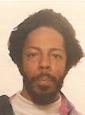
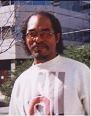
Larry E. Boles, 29, male, was working as a Special Agent with the Union Pacific Railroad Police on the night of July 9, 1977, when routine vigilance turned into a fatal confrontation in downtown Denver. While checking the Union Pacific rail yards, he came upon a burglary in progress. He managed to capture one of the suspects and radioed for assistance, but before backup arrived a second man slipped in behind him and opened fire. Boles was mortally wounded at the scene, his end of watch recorded that same night in the city he was trying to protect.
Investigators quickly learned that the gunman had fled into the darkness of the yard and surrounding industrial blocks. Despite the initial capture at the scene, the shooter responsible for Boles's death eluded authorities; contemporary and later memorial records indicate that the killer was never apprehended. The case remained open as an unsolved Denver homicide, marked in official compilations and memorial rolls as a line-of-duty death with no arrest bringing the assailant to justice.
In the days that followed, the railroad publicly offered a reward to stir new leads, a signal of both urgency and grief from Boles's own agency community. Newspaper indices preserved in Denver archives reference a $5,000 reward posted by Union Pacific as detectives chased tips through the railyards and nearby neighborhoods, but no breakthrough was recorded. Decades later, state and city cold-case listings still carry his name among Denver's unsolved homicides, a quiet entry that belies the violence of that night and the absence of closure that followed.
Beyond the bare facts of the file, fragments of the public record sketch a brief life anchored in service. Memorial pages identify him as “Special Agent Larry E. Boles,” lost to gun violence at 29, and community remembrances keep the date—July 9—alive each year. Some remembrances note that he had served about a year with the railroad police and left behind close family, details that make the unsolved nature of the case feel even sharper. Through all the anniversaries and appeals, however, the central fact has never changed: the shooter who struck from behind in the rail yards was never brought into custody.