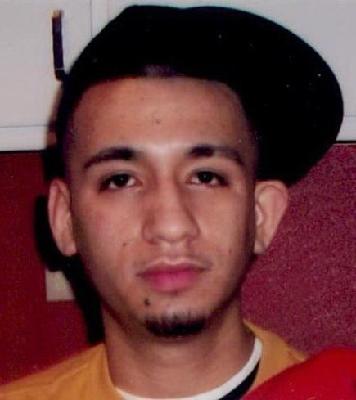
Pierre D. Island, a 27-year-old male, was shot and killed on April 26, 2016, in Chicago, Illinois. His death occurred during a time of significant gun violence across the city. In 2016, Chicago experienced a dramatic surge in homicides, recording more than 750 murders by the end of the year. This was a stark increase compared to previous years, marking one of the deadliest years for the city in nearly two decades. The surge in violence was attributed to a combination of factors, including shifting gang dynamics, a decline in proactive policing methods like stop and frisk, and the overall availability of illegal firearms.
Pierre Island was among the many victims who lost their lives during this turbulent period. The incident took place in an environment where public safety was severely compromised by the escalating rate of shootings and homicides. The Chicago Police Department faced numerous challenges in dealing with these high rates of violence, particularly in neighborhoods where gun violence was most prevalent. The rise in homicides in 2016 was partly linked to a decrease in street stops following the implementation of a consent decree signed with the American Civil Liberties Union (ACLU), which affected the way the police conducted stop-and-frisk operations. This change in law enforcement practices coincided with the increase in violent crime, leaving many communities exposed to heightened risks.
The challenges faced by the city in the wake of this spike in violence highlighted the need for a comprehensive approach to crime prevention. The death of Pierre Island, like that of many others, underscored the ongoing struggles of residents living in neighborhoods disproportionately impacted by gun violence. Despite efforts by community leaders and policymakers to curb the growing tide of violence, the conditions of 2016 left lasting scars on the affected families and communities throughout Chicago.