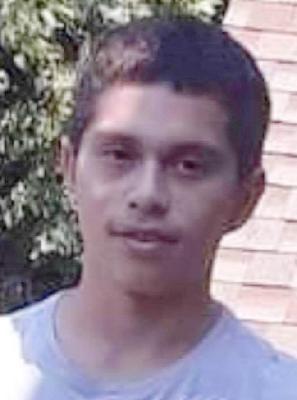
Rogelio Margil, age 21, was fatally shot on November 9, 2014, in Chicago, Illinois. His death occurred during a period when the city was grappling with high levels of gun violence, and 2014 was marked by a significant number of homicides. Margil's homicide was one of many that contributed to the troubling rise in violence that plagued several neighborhoods across Chicago, particularly in areas dealing with long-standing socio-economic challenges and gang activity.
The circumstances surrounding Rogelio Margil's death reflected the larger struggles faced by Chicago communities at the time. Public data from 2014 reveals a substantial number of violent crimes involving firearms, with many incidents resulting in fatalities among young people like Margil. His death added to the list of homicides that year, underscoring the city's continued struggle to address gun violence and its impact on marginalized neighborhoods.
Efforts to reduce crime in Chicago during this period included community-driven initiatives and a focus on increasing police presence in high-risk areas. Despite these efforts, incidents like the homicide of Rogelio Margil highlight the ongoing challenges in curbing violence, particularly where deeply rooted issues such as poverty and limited opportunities continue to foster environments susceptible to crime. The tragic loss of young lives, such as Margil's, illustrates the pressing need for comprehensive solutions to break the cycle of violence affecting Chicago's most vulnerable communities.