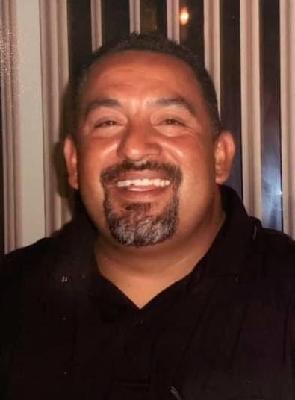
In the summer of 2006, the life of 21-year-old Alberto Sandoval was cut short in Albuquerque, New Mexico. On July 19, the young man became a victim of fatal gun violence in an incident that would later be described as a gang-related homicide. The shooting left a void in the community and launched a lengthy investigation into the circumstances of his death.
The investigation into Sandoval's murder eventually led to the arrest and conviction of a man named Manuel Turrietta.
He was found guilty of second-degree murder and other charges related to the shooting. The case against Turrietta revealed that the killing was rooted in a rivalry between street gangs. Sandoval was identified as a member of a rival gang to Turrietta, establishing a motive for the violent encounter.
Years later, the legal saga surrounding Alberto Sandoval's death continued. In a significant development, the state Supreme Court ordered a new trial for Manuel Turrietta. The court's decision was based on a procedural error during the original trial, where a judge had improperly closed the courtroom to some spectators during the testimony of two witnesses who were former gang members and confidential informants for the police. The high court ruled that this action violated Turrietta's constitutional right to a public trial, as prosecutors had not sufficiently justified the partial closure of the courtroom to prevent witness intimidation. This ruling reopened the case, leaving the final chapter in the story of Alberto Sandoval's death to be written.