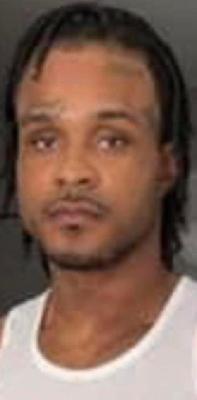
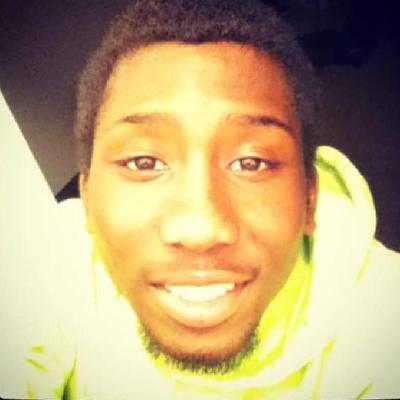
Shaquon J. Thomas, also known as "Young Pappy," was a 20-year-old aspiring rapper from Chicago, Illinois, who was fatally shot on May 29, 2015, in the Uptown neighborhood. The homicide took place in the 4800 block of North Kenmore Avenue, an area known for its troubled history with gang-related violence. Shaquon was struck in what appeared to be a targeted attack, though those close to him dispute the common narrative that his death was a direct result of gang conflicts. Instead, they suggested that the motive might have been jealousy over his rising musical career, as he was close to making a breakthrough in the music industry.
Shaquon was no stranger to controversy and the law, as he had accumulated multiple misdemeanor charges and one felony by the time of his death. These legal issues began during his early teenage years, with initial infractions involving marijuana possession and other minor offenses. His mother, Ingrid Thomas, described her son's struggles with the justice system and expressed frustration that, rather than being rehabilitated, he was caught in a cycle of being released and rearrested. This struggle pushed Shaquon deeper into street life, and the allure of Chicago’s drill music scene captivated him, leading him to adopt the persona of Young Pappy.
Young Pappy's rap career was marked by his vivid lyrics depicting violence and street life, which earned him a significant following. He released tracks such as "Killa," "Shooters," and "Homicide," which collectively garnered hundreds of thousands of views online. Despite his growing fame, the violence depicted in his lyrics also painted a target on his back. Shaquon's growing profile led to confrontations with other groups and increased police attention. Just weeks before his death, the police raided a mixtape release party, believing that a threat had come from his associates, highlighting the volatility of his situation.
Friends and family remember Shaquon as someone who was trying to break away from violence through his music. Despite his troubles, those close to him felt that his primary goal was to use rap as an escape from the streets. They portrayed him as a young man caught between the hope of a better future and the harsh realities of Chicago's gang conflicts, ultimately unable to escape the dangers that his environment presented. His death is a tragic example of the challenges faced by many young people trying to rise above adverse circumstances in Chicago.