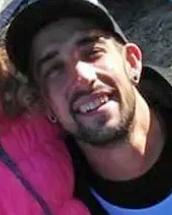
Anthony Cortez, a 39-year-old resident of Albuquerque, New Mexico, was found deceased on April 22, 2019. His body was discovered in a secluded area near the Sandia Mountains, a location known for its rugged terrain and sparse population. The circumstances surrounding his death were initially unclear, prompting a thorough investigation by local law enforcement agencies.
Upon examination, authorities determined that Cortez had suffered multiple gunshot wounds.
The nature of the injuries suggested a targeted attack rather than a random act of violence. Investigators began to piece together his recent activities, uncovering that Cortez had been involved in a dispute with a known individual in the days leading up to his death. This revelation shifted the focus of the investigation toward this individual as a potential suspect.
After conducting interviews and gathering evidence, law enforcement officials arrested the individual believed to be responsible for Cortez's death. The suspect, whose identity was withheld due to privacy laws, was charged with first-degree murder and held without bail. The arrest was a significant development in the case, providing closure to the victim's family and the community.
The trial of the accused began several months later, with the prosecution presenting evidence that included forensic analysis, witness testimonies, and digital records. The defense argued that the evidence was circumstantial and that the prosecution had failed to establish a clear motive. After a lengthy deliberation, the jury convicted the defendant of first-degree murder. The judge sentenced the individual to life in prison without the possibility of parole, reflecting the severity of the crime and the impact on the Albuquerque community.
The case drew significant media attention, highlighting issues related to gun violence and personal disputes escalating to fatal outcomes. Community leaders used the incident as a catalyst to promote discussions on conflict resolution and the importance of mental health support services. While the conviction provided a sense of justice for Anthony Cortez's family, it also served as a somber reminder of the potential consequences of unresolved conflicts and the need for proactive measures to prevent such tragedies.