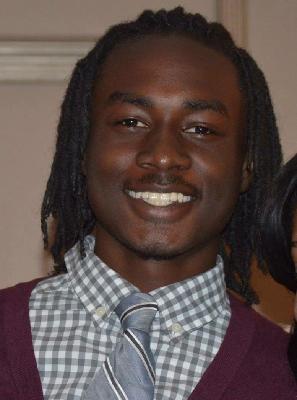
On July 8, 2015, Joe N. Gaither, aged 36, was shot and killed in Chicago. This incident was part of a broader trend of rising gun violence that marked 2015, a year that saw an increase in homicides across the city. Joe Gaither’s death occurred amidst a significant escalation in violent crime during that year, which included 468 recorded homicides—an increase from the previous year's tally. The surge in violence led to widespread concern among community members and law enforcement, highlighting the ongoing struggle with gang-related activities and other criminal acts in various neighborhoods.
The homicide took place during a year that saw a dramatic increase not only in homicides but also in non-fatal shootings. Community members and authorities worked to address this rise in violence, which was concentrated in areas heavily affected by gang conflicts and systemic issues like poverty. Despite various interventions and policing efforts, many of the homicides from 2015, including Joe Gaither’s, have remained unsolved, reflecting the challenges faced by the Chicago Police Department in gathering evidence and encouraging witness cooperation.
Gaither's case, like many others, highlights the persistent issue of unsolved violent crimes in Chicago, where community fear and a lack of actionable leads often stall investigations. The broader context of this incident is representative of a challenging year for Chicago in terms of public safety, with the spike in violence prompting calls for new approaches to crime prevention and community engagement.