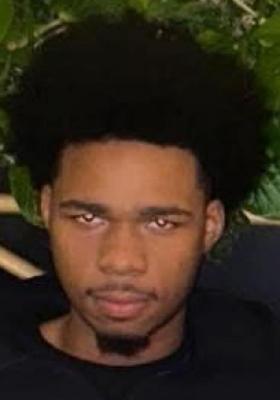
On June 13, 2016, Jordan Liggins, an 18-year-old known affectionately as "BayBay," was fatally shot in the Englewood neighborhood of Chicago’s South Side. The shooting took place in the midst of a surge in gun violence that year, with the city seeing a sharp rise in homicides, particularly in historically under-resourced neighborhoods like Englewood.
Jordan was shot in the middle of the day while walking in his neighborhood, a victim of the violence that tragically claimed many young lives in Chicago during 2016.
Jordan had previously survived two other shootings in his teenage years, one in 2011 and another in 2012. Despite these hardships, Jordan was described by his family as a protective younger brother who was full of energy and hope. He had dreams for a better future, supported by his passion for activities like playing baseball and drumming on buckets to make money in downtown Chicago. However, this time, the attack was fatal, and his family was left grieving yet another young life cut short. The police initially suggested that the attack was gang-related, though his family disputed these claims, highlighting how quickly violence can be attributed to such causes without deeper investigation into the individual's life and character.
The impact of Jordan's death extends beyond the personal loss felt by his loved ones. His death underscores the larger crisis faced by communities struggling with violence and the lack of mental health support. In areas like Englewood, the prevalence of gun violence has contributed to high rates of depression, anxiety, and trauma among residents. Despite initiatives aimed at providing better trauma support and expanding mental health services in these areas, there remains a significant gap between the needs of the community and the available resources. This gap leaves many, like Jordan's family, to face their grief with minimal support from social and healthcare systems.
Photographer Jim Young sought to humanize the statistics behind Chicago's murder rates by capturing images of victims and their memorials, including Jordan. His project aimed to emphasize that behind each number is a real person with dreams, aspirations, and loved ones who continue to grieve. Jordan’s story is a poignant reminder of the personal toll of gun violence and the urgent need for meaningful intervention to prevent such tragedies.