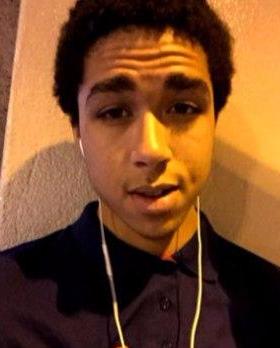
On a Saturday afternoon, November 12, 2016, Dantley Tookie Leonard, a 28-year-old male, was on Ames Street in Boston's Dorchester neighborhood. He was in the Franklin Field housing complex, helping a friend move furniture into an apartment. Suddenly, a man exited a vehicle, approached the group, and opened fire with a. 40 caliber pistol. Leonard was shot 11 times and died from his injuries. A second man who was with him was shot three times but survived the attack.
The shooter then fled the scene. Leonard, who was from Kingston and previously lived in Dorchester, left behind a young son and a twin brother.
The investigation into the shooting led Boston Police to a suspect, Julian Troche. Four days after the murder, police stopped a car Troche was in and found that the sweatshirt he was wearing tested positive for gunshot primer residue. Investigators also gathered cell phone location data and traffic camera footage that placed Troche in the area of the shooting at the time it occurred. The prosecution's theory was that the killing was an act of misguided revenge. Troche’s friend had been killed in an exchange of gunfire two months prior, an incident in which Troche himself was injured. Authorities believed Troche mistakenly thought Leonard was responsible for his friend's death. Ballistic evidence connected the shell casings found at the scene of Leonard's murder to those recovered from the earlier shooting where Troche's friend was killed.
Julian Troche was indicted for the murder of Dantley Leonard. In August 2019, nearly three years after the shooting, a jury found him guilty, and he was sentenced to life in prison. However, the legal saga did not end there. In November 2023, the Massachusetts Supreme Judicial Court overturned Troche's first-degree murder conviction and ordered a new trial. The court cited several reasons for its decision, including improper statements by the prosecutor that implied Troche had ties to a gang. The primary issue, however, was the handling of new evidence that emerged during the trial. The defense team had received an anonymous text message with screenshots of a social media conversation, suggesting that a key witness who had identified Troche had lied in his testimony as part of a plot to frame the defendant. The court found that the way this new information was handled warranted a new trial.