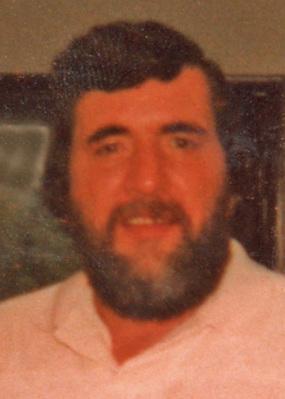
On a summer day in Des Moines, Iowa, 83-year-old Jack Crawford’s life came to a violent and mysterious end. The date was August 6, 2014, but more than a decade later, the specific circumstances surrounding the death of this elderly man remain almost entirely unknown to the public, leaving a quiet but profound void in the city’s history of unsolved cases. No personal details about Mr. Crawford's family, his work, or his life in Iowa's capital have ever been shared in public records, leaving only his name, age, and the date of his death as the few certain facts in a case shrouded in silence.
Des Moines in 2014 was a thriving Midwestern hub, the heart of the Corn Belt and a major center for the insurance and financial services industries. With a population of just over 200,000, it was often cited as one of the best places in America to live and raise a family, noted for its affordability and low crime rate. The city’s residents enjoyed its extensive park systems and a growing cultural scene. It is against this backdrop of a typically safe and community-oriented city that the events of August 6th unfolded, though precisely where or how remains an unanswered question. There were no public reports of a homicide investigation involving an elderly man on that day, and no specific street or neighborhood has ever been associated with his death.
In any case of homicide within the city, the investigation would have been handled by the Des Moines Police Department’s Crimes Against Persons Section. This dedicated team of detectives is responsible for investigating the most serious violent crimes, from assaults to homicides. A standard investigation would involve patrol officers first securing the scene, followed by detectives and crime scene investigators who would document the area, collect physical evidence, and begin the painstaking process of interviewing potential witnesses. The case would have been assigned a detective who would work to piece together the victim’s final hours and identify a motive and a suspect.
Despite these established procedures, the investigation into Jack Crawford’s death has been marked by a complete absence of public information. No suspects or persons of interest have ever been named, and authorities have never released details regarding the cause of death, the location where he was found, or any potential motive. There have been no known appeals for information from the public, no vigils held by family, and no memorial pages created in his memory that are accessible. This lack of a public footprint is the central and most haunting aspect of the case, leaving open fundamental questions about who Jack Crawford was and what led to his death.
The silence surrounding the case is unusual. Typically, in homicide investigations, law enforcement will release at least some information to solicit tips from the public that could help generate leads. The fact that this has not happened in Mr. Crawford's case leaves only speculation: perhaps the case involved sensitive circumstances, or perhaps all leads were exhausted internally without yielding a path forward. Whatever the reason, the result is the same—a case that is cold, not just because of the passage of time, but because it was never publicly warmed by the light of investigation or community concern.
As of today, the death of Jack Crawford is an unresolved homicide case within the files of the Des Moines Police Department. With no arrests made and no new information released in over a decade, the case stands as a stark and lonely mystery. The story of what happened to this 83-year-old man in Iowa’s largest city on that summer day in 2014 is waiting for someone to come forward with the information needed to finally provide answers and a measure of justice.