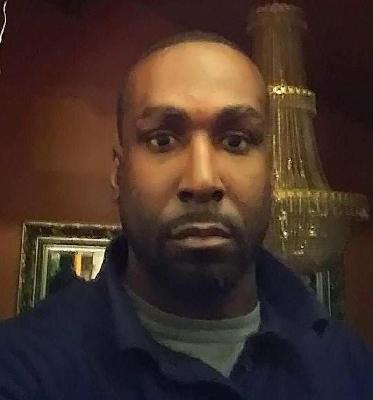
On May 3, 2016, Jeremy David Parker, aged 21, was fatally shot in Chicago, Illinois. The incident took place in the West Side neighborhood, an area that has historically struggled with significant levels of violence. Parker's death occurred during a year when Chicago experienced a surge in homicides, with 2016 seeing a dramatic increase in shootings and fatal violence across the city. This contributed to a troubling rise in gun-related deaths that marked Chicago's most violent year in nearly two decades.
The incident occurred in the early morning hours, with multiple gunshot wounds reported. Despite prompt response by emergency services, Parker was pronounced dead at the scene. His death was one of many that made 2016 a particularly deadly year for Chicago, with over 760 homicides recorded. The spike in violence was largely attributed to gang conflicts, access to firearms, and ongoing socio-economic challenges that impacted the city's most vulnerable neighborhoods.
This tragic event highlights the ongoing issues facing Chicago communities, particularly in neighborhoods affected by poverty and inadequate social resources. Law enforcement agencies, along with community organizations, have continuously tried to tackle the root causes of such violence, but progress has often been slow due to the deeply rooted challenges and the complexity of urban crime. Parker's death, like many others, underscores the need for effective strategies focused not just on law enforcement but also on community support and socio-economic upliftment to break the cycle of violence.