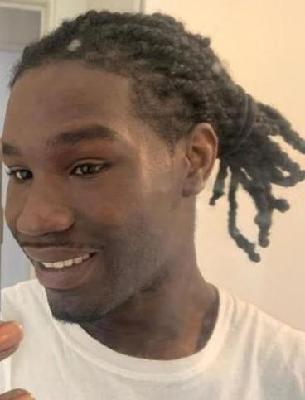
Jesus A. Juarez, aged 43, was killed on May 4, 2016, in Chicago, Illinois. His death occurred during a year that saw an alarming rise in homicides across the city, with more than 750 homicides reported in 2016—a significant increase from the previous year. This spike in violence has been linked to various factors, including changes in law enforcement practices and social dynamics. One significant change that is often pointed to as a factor is the reduction in stop-and-frisk procedures by the Chicago Police Department. This reduction began at the end of 2015, following an agreement between the Chicago Police and the American Civil Liberties Union (ACLU) aimed at addressing concerns about the constitutionality and fairness of these police tactics.
The 2016 spike in homicides was notable not just for the number of incidents, but also for the concentration of violence in particular neighborhoods, disproportionately impacting African-American and Hispanic communities. Jesus Juarez's death, like many others that year, reflected the vulnerability of these communities amid changing crime prevention strategies. The loss of funding for violence prevention programs such as Cure Violence, which had previously worked to mediate and reduce gang conflict, also played a role in reducing intervention efforts during a period of escalating tensions.
The death of Jesus Juarez is one of many that exemplifies the critical need for a balanced approach to law enforcement and community support. As Chicago continues to grapple with its high rates of gun violence, the city is challenged to find effective ways to reduce crime while addressing the underlying social issues that contribute to violence in its most affected neighborhoods. The debate over the effectiveness of stop-and-frisk, community policing, and the role of intervention programs continues to shape the discourse around public safety in Chicago.