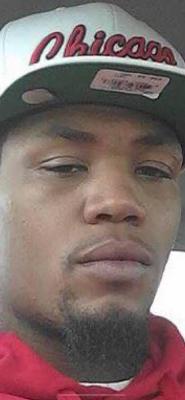
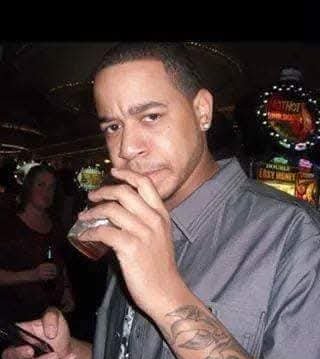
Marshawn Cooper, aged 22, was fatally shot on May 27, 2016, in Chicago, Illinois. His death was one of the numerous homicides that occurred in Chicago during a particularly violent year for the city. The shooting took place in the Roseland neighborhood, which is located on the far South Side of Chicago, an area that has been notably affected by gun violence over the years.
2016 was a year marked by a dramatic increase in violence in Chicago, with the city recording over 760 homicides. Many neighborhoods, particularly those with high rates of poverty and limited access to resources, experienced spikes in shootings and violent crime. Marshawn Cooper's death is reflective of this broader trend, as many young men, predominantly from marginalized communities, fell victim to the escalating violence.
The surge in gun violence in Chicago during 2016 put enormous pressure on the city's law enforcement agencies and brought attention to underlying systemic issues such as poverty, lack of educational opportunities, and inadequate community support structures. Despite increased law enforcement efforts, the clearance rates for homicides remained low, meaning that many families, like Cooper's, were left without justice or closure. The challenges faced by communities in Chicago during this period underscored the need for more holistic approaches to address the root causes of violence, beyond law enforcement alone.