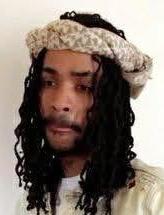
Ramel Hicks, 34, was fatally shot on June 20, 2016, in the Englewood neighborhood of Chicago. The shooting occurred around 12:45 a.m. in the 1500 block of West 69th Street, and Hicks succumbed to his injuries at Advocate Christ Medical Center later that morning. Hicks, affectionately known as "Pooh," was beloved in his community for his sense of humor, cooking skills, and artistic talents. He was known for his outgoing personality and would often take on the role of grilling during family gatherings, making others laugh even during difficult times. He also worked as a tattoo artist and handyman, following in his father’s footsteps with a knack for creative, hands-on skills.
On the night of his death, Hicks had attended a family picnic and later distributed leftover food to homeless individuals, demonstrating his giving nature. Witnesses reported that a confrontation occurred between Hicks and two men shortly before the shooting. It was later believed that the attackers returned with additional individuals, including a young woman who was suspected of having the gun used in the shooting. This tragic event left his community shocked, especially since Hicks had been known for his positive presence in Englewood. A candlelight vigil was held the following day to honor his memory, with family and friends coming together to remember a man who was deeply cherished for his kindness and humor.
Following Hicks's death, further investigations linked his killing to broader gang activity in the area. The shooting was part of ongoing violence perpetuated by a street gang faction known as the Goonie Boss, which had been involved in several homicides throughout the Englewood neighborhood. The gang's activities, including the murder of Hicks, were addressed in a federal racketeering case that charged multiple members with various acts of violence, such as intimidation, witness tampering, and numerous other homicides in the neighborhood. This gang activity has been one of the significant contributors to the escalating violence in Englewood and the broader South Side of Chicago during that time.