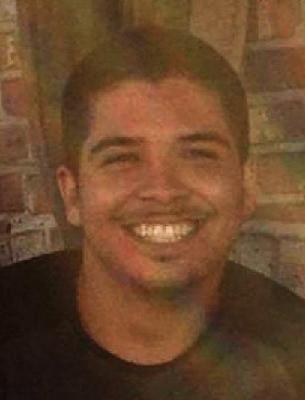
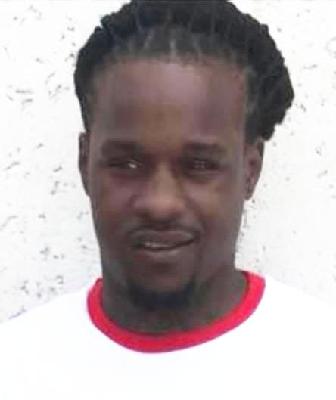
On August 9, 2016, Demarco V. Kennedy, aged 32, was shot and killed in Chicago, Illinois. The incident occurred in the Rosemoor neighborhood, on the city's South Side, where Kennedy was reportedly struck by a stray bullet while inside his own home. This tragic event was described by some as a "freak accident," highlighting the unpredictable nature of the violence in many Chicago neighborhoods during that period.
Kennedy's death occurred during a year that saw a significant spike in homicides throughout Chicago. In 2016, the city experienced one of its most violent years, with more than 750 homicides recorded—a dramatic increase compared to previous years. Experts have pointed to several contributing factors for this spike, including the reduction in police use of stop-and-frisk tactics after an ACLU consent decree, which some argue diminished the ability of law enforcement to effectively prevent gun violence. The aftermath of controversial police incidents, such as the release of the Laquan McDonald shooting video, also had a chilling effect on proactive policing, with significant changes in police practices coinciding with an uptick in crime rates.
Additionally, the 2016 spike in homicides was compounded by a lack of state funding for violence prevention programs due to Illinois' budget impasse, which led to cuts in community services, including after-school programs, recreational leagues, and violence interruption initiatives. The absence of these programs left many vulnerable neighborhoods without the social support they needed, further contributing to the increased rate of violence.
The combination of policy changes, reduced community services, and strained police-community relationships made 2016 a particularly challenging year for Chicago. Demarco Kennedy's death, like many others, underscores the toll that systemic issues took on communities during this period and reflects the broader struggles that neighborhoods faced amidst the surging violence.