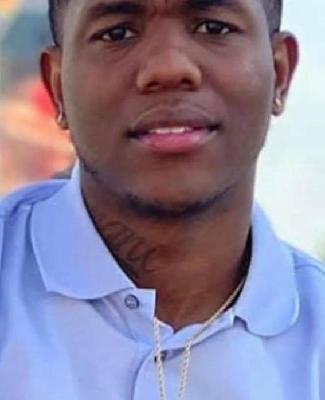
Brian D. Winters, a 33-year-old man, was shot and killed on August 31, 2016, in Chicago. His death occurred in a particularly violent month for the city, which saw the highest number of homicides in nearly two decades. August 2016 was marked by a significant surge in shootings, with over 400 people injured by gunfire and 76 killed. This surge made August 2016 the most violent month since 1997.
The spike in violence was attributed by some to increased gang activity, which was cited as a primary factor by Chicago Mayor Rahm Emanuel at the time.
Brian Winters' death took place amidst an alarming rise in the number of gun-related homicides in Chicago, which by that point in the year had already surpassed the total for all of 2015. The city's black communities, primarily located on the south and west sides, bore the brunt of the violence, facing homicide rates that were up to five times higher than those in other parts of the city. These communities, characterized by high poverty levels and a lack of resources, were more vulnerable to the ongoing gun violence that had plagued Chicago for much of 2016.
The violence in Chicago during 2016 highlighted broader challenges for the city, including the lack of effective crime prevention strategies and the urgent need for stricter gun control measures. Despite the high levels of violence, many incidents, such as Brian Winters' homicide, received limited attention, underscoring the systemic issues affecting crime resolution and community safety. The increasing number of homicides was a grim reminder of the need for comprehensive, community-focused approaches to address both the root causes of violence and its devastating impact on residents.