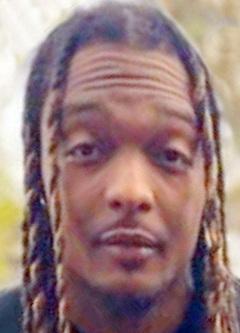
On September 18, 2016, 20-year-old Tonthriche L. Weathersby was shot and killed in Chicago, Illinois. This tragic event occurred during a particularly violent period in Chicago, as 2016 marked one of the deadliest years for the city in decades. That year, Chicago experienced a significant spike in homicides, with more than 760 people killed, making it one of the most violent years in the city’s recent history.
Weathersby’s death was part of a weekend of intense violence, where multiple shootings occurred across various neighborhoods in Chicago. Such incidents were unfortunately typical during 2016, as the city struggled with gang conflicts, retaliatory violence, and a rise in gun-related crimes. The challenges that the Chicago Police Department faced in addressing these homicides were compounded by strained community relations and limited cooperation from witnesses, which made solving cases more difficult.
The violence during 2016 led to numerous community efforts aimed at reducing crime, including calls for increased police presence and initiatives to foster better relationships between law enforcement and residents. Despite these efforts, the ongoing systemic issues, including poverty and lack of resources in many neighborhoods, made meaningful and lasting changes hard to achieve. The incident involving Weathersby serves as a reminder of the broader struggles facing Chicago during that period, as the city worked to address the root causes of its persistent violence.