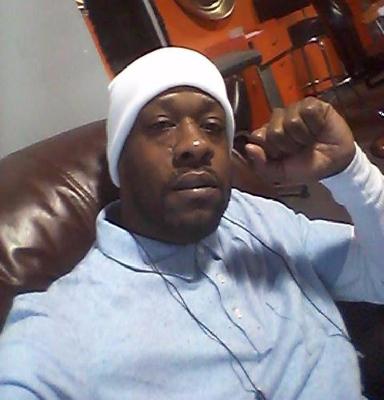
Nathan V. Watson, a 22-year-old male from Chicago, Illinois, was tragically shot and killed on September 24, 2016. His death was one of the many homicides that marked a year of heightened violence in Chicago. In 2016, the city witnessed an alarming surge in homicides, with a total of 764 people murdered throughout the year. This was one of the deadliest years in decades for the city, marked by numerous shootings and acts of violence across various neighborhoods.
Nathan Watson’s death was part of the larger pattern of gun violence that heavily affected Chicago communities, particularly in neighborhoods already burdened by socio-economic challenges. Many of the homicides were reported to have been related to gang violence, disputes, or other forms of interpersonal conflict, which were exacerbated by the widespread availability of firearms. The exact circumstances of Watson’s death were not widely covered in detail, but his story was documented alongside other victims in comprehensive databases such as the Chicago Sun-Times homicide list, which records each victim’s name and circumstances of death.
The city has struggled to contain the escalating violence, despite efforts from local authorities and community groups. Data from the Chicago Police Department’s CLEAR system provides insight into the high rates of crime and the complexity of efforts to manage them. While the specific block of the shooting was recorded, no detailed personal information about the circumstances was publicly provided, as privacy policies limit the disclosure of addresses and identifying details of victims.
Nathan's death, like that of many others in Chicago in 2016, underscores the pressing issues facing the city in terms of public safety, community resilience, and the impact of systemic inequality. The year ended with intense scrutiny on both law enforcement efforts and the need for more community-based interventions to address the root causes of violence.