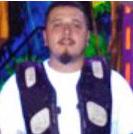
Vincent Anthony Zarco, 26, male, Hispanic, was found shot in the head just after sunrise on October 15, 2016, in Chicago's Little Village neighborhood. Police responding to reports of gunfire around 7 a.m. discovered him unresponsive in the 2600 block of West 23rd Street and rushed him to Mount Sinai Hospital, where he was pronounced dead at 7:25 a.m.
Records identified him as a west suburban resident from Berwyn, a detail that underscored how the morning's violence rippled beyond the city blocks where it occurred.
As officers secured the scene, they noticed a vehicle leaving the area. When they attempted a stop, the driver tossed a gun out of the window before the car was pulled over. Two people from that vehicle were taken into custody for questioning, a brief moment that suggested momentum in the case before the day gave way to uncertainty.
By the start of the following week, authorities said the two people questioned had been released without charges. Public updates named no suspects, and officials offered no motive. The absence of an arrest left family and neighbors with the bare facts of the morning—an address on West 23rd Street, a precise time, the rush to Mount Sinai—and little else to make sense of what happened.
Zarco's name joined the lists that year of Chicagoans lost to gunfire, a count that would make 2016 one of the city's deadliest in recent memory. Memorial notices and community tributes kept his story alive even as the investigation quieted, marking the date and place where a routine Saturday ended in a sudden, irrevocable loss.