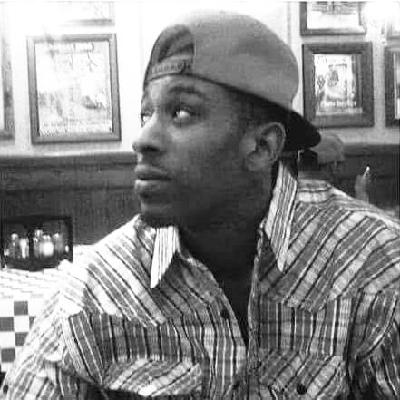
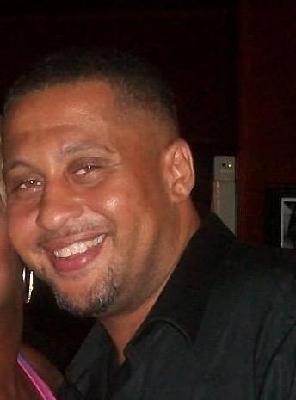
Samuel A. Williams, aged 23, was shot and killed on October 24, 2016, in Chicago, Illinois. His death was among the numerous homicides that occurred during a particularly violent year for the city. Chicago experienced a dramatic surge in homicides in 2016, with 764 people being murdered, marking a significant rise from the previous year. This spike in violent crime was attributed to various factors, including reduced street stop activities by law enforcement following a consent decree with the American Civil Liberties Union (ACLU). The reduction in proactive policing measures, such as stop and frisks, coincided with an increase in gun violence across Chicago's most vulnerable communities.
Williams's death occurred during a time when Chicago was struggling with an overwhelming rise in gun violence. This period saw increased tensions and significant public debate over the role of police tactics, such as stop and frisks, in preventing crime. The University of Chicago Crime Lab's analysis of the violence in 2016 suggested that the decline in these policing tactics may have contributed to the sharp increase in shootings and homicides during that year. The homicide spike was most prominent in neighborhoods that were already grappling with socioeconomic challenges and heightened gang activity, further exacerbating the sense of insecurity among residents.
The tragedy of Samuel A. Williams highlights the broader issues of violence that plagued Chicago in 2016, a year often referred to as one of the most violent in recent history. The significant rise in the number of homicides led to calls for re-evaluation of law enforcement strategies and community intervention programs to address the root causes of violence and reduce the toll on affected communities.