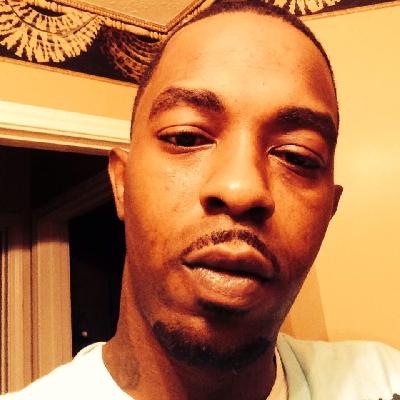
In the autumn of 2016, the life of a 28-year-old Black man named John Williams was tragically cut short in Osceola, Arkansas. On the evening of October 12th, events were set in motion that would lead to his untimely death. The catalyst appeared to be a photo on Facebook, where Williams was seen with a substantial amount of money, inadvertently making him a target. A plan was then hatched to rob him.
Earlier in the day, a dice game was underway on Broadway Street in Osceola.
Several individuals were present, including Harold Weeden and Zebarius Hawkins. At one point, Hawkins approached Weeden and whispered something to him, prompting Weeden to leave the game. The two, along with another man, Ashton Clark, began to discuss "hitting a lick," a slang term for committing an aggravated robbery.
The group was later seen in a small, black SUV. The vehicle was distinctive as it had a campaign sign on its side. Surveillance footage from the area would later play a crucial role in the investigation, capturing the movements of this vehicle around the time of the incident. The plot to rob John Williams culminated in a fatal encounter. A single bullet, later determined to be from a 9 mm Luger, struck Williams in the back of his head, ending his life at the scene.
The subsequent police investigation led to the identification of multiple suspects. Harold Weeden, facing the gravity of the charges, agreed to testify for the state in exchange for a conditional fifteen-year sentence. His testimony was pivotal in outlining the plan to rob Williams and implicated Ashton Clark in the crime. In 2018, a Mississippi County jury convicted Ashton Clark of first-degree murder and aggravated robbery for his role in the death of John Williams. However, his conviction was later reversed and dismissed on appeal due to a lack of sufficient corroborating evidence for the accomplice testimony provided by Weeden.