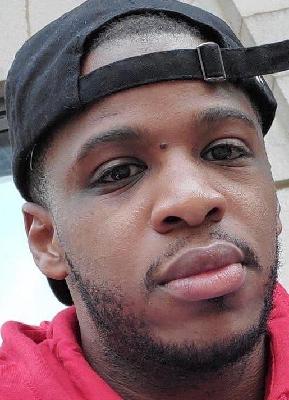
On December 11, 2016, 45-year-old Anthony T. Barr was fatally shot in Chicago, Illinois. The incident occurred amidst a period of heightened violence across the city. During 2016, Chicago saw one of its deadliest years, with a dramatic increase in homicides, totaling over 750 victims by the end of the year. This surge in violence was attributed to several factors, including reduced funding for violence prevention programs like "Cure Violence" and a significant decrease in police stop-and-frisk tactics following an agreement with the ACLU, which some argue may have impacted proactive crime prevention efforts.
Anthony Barr's death took place in an environment where neighborhoods throughout Chicago were struggling with the complexities of gun violence and gang activity. The year 2016 was marked by significant challenges for the city’s law enforcement, as they faced not only a sharp increase in gang-related shootings but also the difficulty of maintaining effective policing practices amid public criticism and changing policies. Barr's homicide represented one of the many tragic losses that underscored the dire need for improved community resources, targeted policing, and violence prevention initiatives in Chicago.